
Think of biologics as the high-tech, expensive skyscrapers of medicine. They are complex proteins made in living cells, treating everything from cancer to rheumatoid arthritis. Now, imagine a way to get those same life-saving results without the eye-watering price tag. That is where Biosimilars is a biologic medical product that is highly similar to an already approved reference biologic product, with no clinically meaningful differences in safety, purity, and potency.
For years, the world has seen two very different stories playing out in the drug markets. Europe sprinted ahead, creating a mature system where these drugs are common. The US, meanwhile, stumbled through a thicket of legal battles and red tape. But the tide is turning. With new regulations and a wave of patents expiring, the US is finally catching up. If you are wondering why some patients in Berlin get cheaper meds faster than patients in Boston, the answer lies in how these two regions handle the biosimilars market.
The Head Start: Why Europe Leads the Way
Europe didn't just enter the biosimilar race; they built the track. Back in 2006, the European Medicines Agency (EMA) is the centralized regulatory body for the European Union responsible for the scientific evaluation, supervision, and safety monitoring of medicines established the first real framework for these drugs. Shortly after, they approved Omnitrope, the world's first biosimilar. By starting early, Europe created what experts call a "virtuous cycle." Doctors got comfortable with the drugs, insurance companies supported them, and patients trusted them.
In countries like Germany, France, and the UK, the adoption was aggressive. They didn't just wait for doctors to switch; they used hospital tenders and mandatory substitution policies. This means if a biosimilar was available and approved, hospitals would buy it in bulk to save money. It worked. In some European countries, biosimilars now hold over 80% of the market share in areas like oncology and rheumatology. Germany, in particular, turned itself into a manufacturing powerhouse, attracting global developers because they had the infrastructure to actually make these complex molecules at scale.
The US Struggle: Patent Dances and Red Tape
The US had a completely different experience. While the Food and Drug Administration (FDA) is the federal agency of the United States Department of Health and Human Services responsible for protecting public health by ensuring the safety and efficacy of drugs passed the Biologics Price Competition and Innovation Act (BPCIA) in 2009, it took another six years for the first biosimilar, Zarxio, to actually hit the market in 2015. Why the delay?
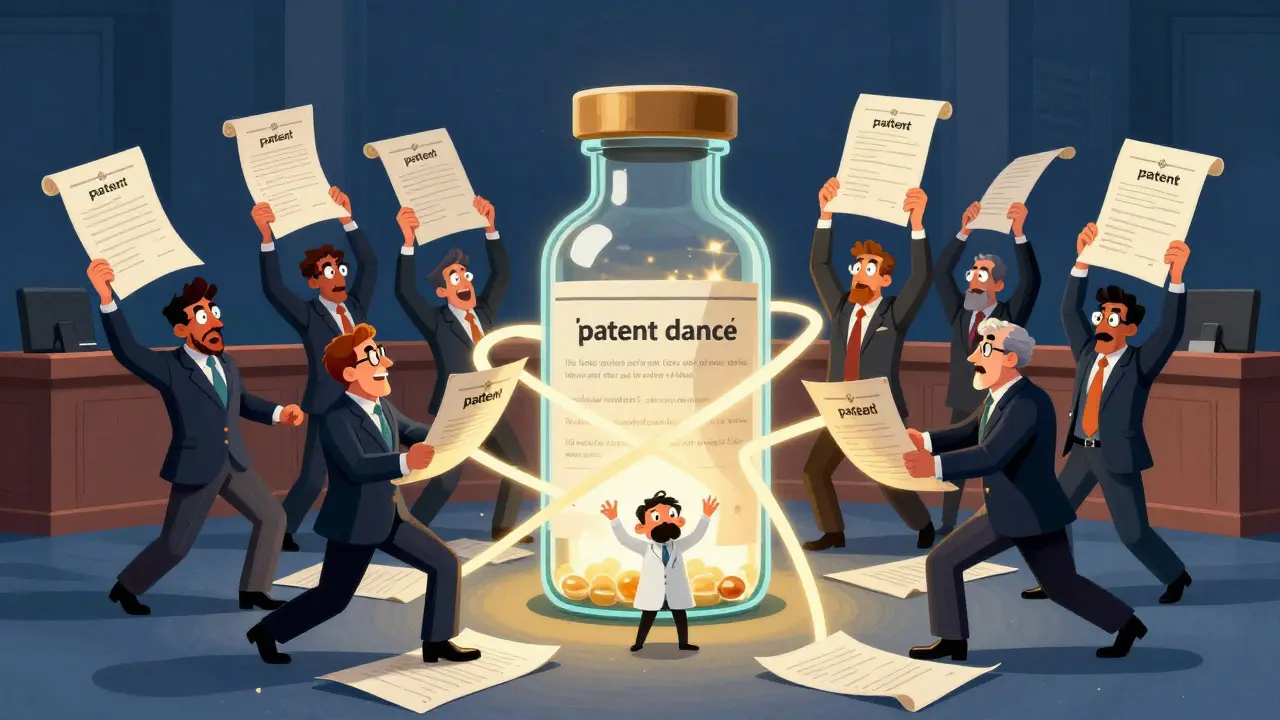
The US market was plagued by "patent thickets." Original drug makers would file dozens of tiny patents on a single drug to block competitors for as long as possible. This led to the infamous "patent dance," a complex legal process where companies fought over who owned what before a biosimilar could even be launched. On top of that, the FDA historically demanded more clinical data and expensive "switching studies" to prove a drug was interchangeable. This made it too expensive and risky for many companies to enter the US market.
| Feature | European Market | United States Market |
|---|---|---|
| First Framework | 2006 (EMA) | 2009 (BPCIA) |
| Adoption Pace | Fast, mature ecosystem | Slower, initially hindered by legal battles |
| Key Strategy | Hospital tenders & mandatory substitution | Payer formularies & rebate systems |
| Regulatory Focus | Totality-of-evidence approach | Strict interchangeability requirements (until 2024) |
| Market Share (Oncology) | High (often 80%+) | Growing, but historically lower |
The Big Shift: How the US is Catching Up
Something changed recently. The US is no longer just lagging; it's accelerating. A massive turning point happened in June 2024 when the FDA proposed new guidelines that essentially scrap the requirement for switching studies to achieve an interchangeable designation. This is a huge deal because it removes one of the biggest financial barriers for manufacturers. Essentially, the US is moving toward the European model, acknowledging that robust analytical data is often more important than endless clinical trials.
Then there is the money. The Inflation Reduction Act is a 2022 US federal law that allows Medicare to negotiate drug prices and eliminates the coverage gap for Part D prescriptions has acted as a catalyst. By removing the coverage gap in Medicare Part D, the law has given more incentives for patients and providers to switch to cheaper biosimilars. Combine this with the "patent cliff"-where 118 biologics are expected to lose protection between 2025 and 2034-and you have a gold mine. We are talking about a potential $232 billion opportunity for biosimilar developers in the US alone.
Measuring the Money: Revenue and Growth
When you look at the numbers, Europe has the crown for now, but the US is growing faster. In 2024, the European market was valued anywhere from $9.9 billion to $13.1 billion depending on who you ask. The US market hit about $10.9 billion in the same year. While those numbers look similar, the growth rates tell the real story. The US is projected to see a compound annual growth rate (CAGR) of around 18.5% through 2033.
Why the discrepancy in reports? It usually comes down to how research firms define the market. Some count only the drug sales, while others include the entire supply chain. Regardless, the trend is clear: North America is on track to potentially overtake Europe in total market revenue by 2027. While Europe has a head start of 20 years, the sheer size of the US biologics market means that when the floodgates open, the volume of money moving into biosimilars will be staggering.
Real-World Impact: From Humira to Oncology
To see this in action, look at Humira is a blockbuster biologic medication (adalimumab) used to treat autoimmune diseases like rheumatoid arthritis and plaque psoriasis . In the US, the rollout of Humira biosimilars was a mess of legal settlements. By 2024, 14 biosimilars were approved, but only six were actually available to patients because the original maker used legal maneuvers to keep others off the market. Contrast that with Europe, where monoclonal antibodies for autoimmune diseases were adopted almost immediately once they became available.
In the US, we initially saw more success with "supportive care" products-drugs that help manage the side effects of other treatments-like filgrastim. But now, the focus is shifting toward the heavy hitters: oncology and immunology. As the FDA simplifies the rules, we are seeing more complex biologics enter the market, bringing those 15-30% discounts that make these treatments accessible to people who otherwise couldn't afford them.

What Happens Next?
The gap between the two regions is closing. We are seeing a "regulatory harmonization" where both the EMA and FDA are starting to agree on what data is actually needed to prove a drug is biosimilar. This makes it easier for companies like Pfizer, Samsung Bioepis, and Sandoz to launch the same product in both markets simultaneously.
The future will be defined by how we handle next-generation biologics. These are even more complex than the first wave, requiring sophisticated manufacturing that only a few hubs, like Germany or the US biotech corridors, can handle. The goal for both regions is the same: keep the science moving forward while keeping the costs from bankrupting healthcare systems.
What is the main difference between a biosimilar and a generic drug?
Generic drugs are exact chemical copies of small-molecule drugs. Biosimilars, however, are based on large, complex proteins made in living cells. Because they are grown, not synthesized, they can never be exact copies. Instead, they are designed to be "highly similar" with no meaningful difference in how they work or their safety profile.
Why did Europe adopt biosimilars faster than the US?
Europe established a clear regulatory pathway via the EMA in 2006, long before the US did. Additionally, European healthcare systems used centralized hospital tenders and mandatory substitution policies, which forced a quicker transition from expensive brand-name biologics to cheaper biosimilars.
What is the "patent dance" in the US market?
The "patent dance" is a complex legal process under the BPCIA where the biosimilar applicant and the reference product sponsor exchange patent information. This often leads to protracted litigation that delays the entry of cheaper biosimilars into the US market.
Will biosimilars actually lower healthcare costs?
Yes. Biosimilars typically launch at a 15% to 30% discount compared to the reference biologic. By introducing competition, they force price drops across the board, saving billions for insurance providers, governments, and patients.
What is an "interchangeable" biosimilar?
An interchangeable biosimilar is one that the FDA has determined can be switched with the original biologic without the intervention of a healthcare provider (similar to how a pharmacist swaps a generic for a brand name). However, new 2024 guidelines are reducing the strict testing required to get this label.
Next Steps for Patients and Providers
If you are a patient, the best move is to talk to your doctor about whether a biosimilar is available for your specific treatment. Don't be afraid to ask about the price difference or if your insurance prefers one over the other. For providers, the key is staying updated on the latest FDA and EMA guidance, as the requirements for "interchangeability" are shifting rapidly.
For those in the industry, keep a close eye on the 2025-2034 patent window. The sheer number of biologics losing protection means we are about to enter the most aggressive period of competition in the history of biologic medicine. The shift from a brand-dominant market to a biosimilar-competitive market is no longer a prediction-it is happening now.