
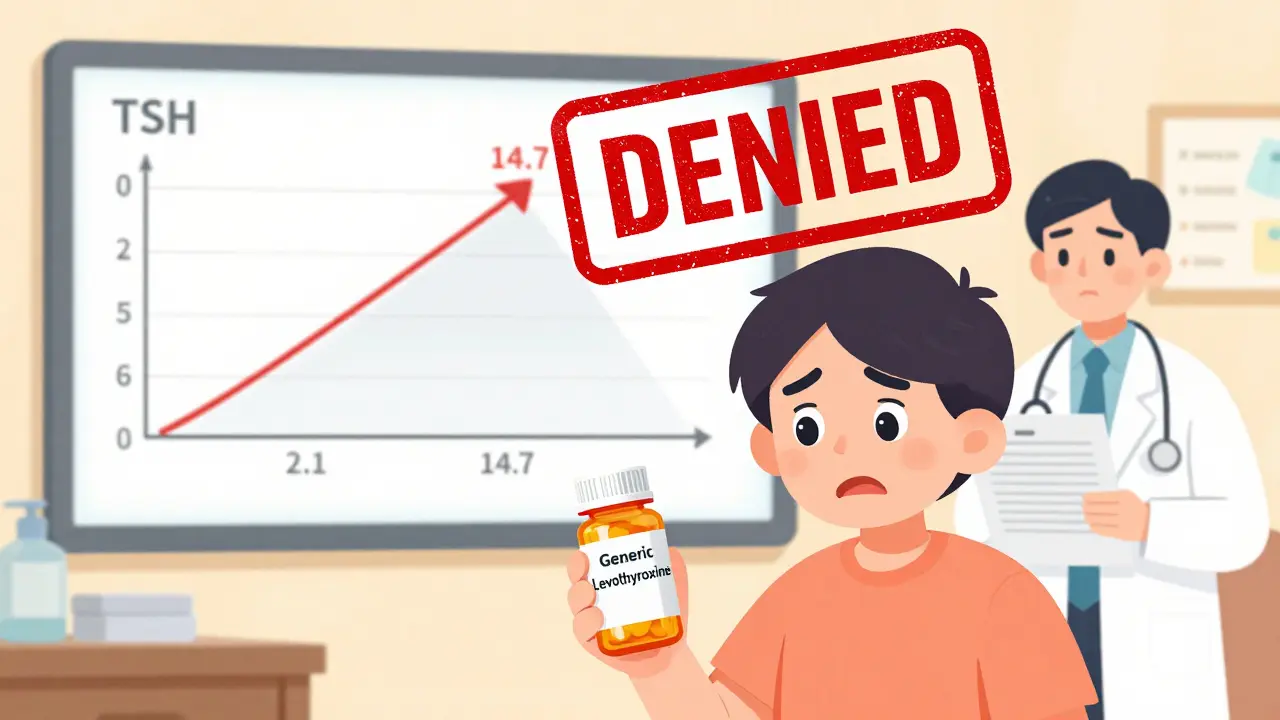
When your insurance denies your brand-name medication because a generic is available, but that generic makes you feel worse-or doesn’t work at all-you’re not just being stubborn. You’re dealing with a real medical problem that insurance systems often ignore. This isn’t about preferring name brands. It’s about your body reacting differently to the same drug because of tiny differences in fillers, coatings, or how your body absorbs it. And when that happens, you have rights-and a process to fight back.
Why a Generic Might Not Work for You
The FDA says generics must be bioequivalent to brand-name drugs, meaning they deliver 80-125% of the active ingredient. Sounds fair, right? But for some medications, even a 20% swing in blood levels can be dangerous. Think thyroid meds like levothyroxine, blood thinners like warfarin, or seizure drugs like levetiracetam. These are narrow-therapeutic-index drugs. A little too little, and your condition flares up. A little too much, and you risk serious side effects. Patients with epilepsy, autoimmune disorders, or endocrine conditions report real problems: seizures returning after switching to generic Keppra, TSH levels spiking after switching from Synthroid to generic levothyroxine, or sudden mood swings from generic antidepressants. These aren’t placebo effects. Studies show 15-20% of patients on these drugs experience therapeutic failure with generics. And when your doctor says, “It’s the same drug,” they’re not wrong-but they’re not telling the whole story either.The Insurance Denial Trap
Insurance companies don’t deny because they’re heartless. They do it because generics save money. Generics make up 90% of prescriptions but only 23% of drug spending. That’s a huge incentive to push them, even when they don’t work. Your denial letter probably says something like: “A generic alternative is available and preferred under your plan.” It doesn’t say: “We know this isn’t working for you, but we’re not paying for what you need.” The problem gets worse when insurers demand you try multiple generics first. This is called “step therapy,” and it’s common. But in 28 states, it’s now illegal to force you through multiple failed generics if you’ve already proven one doesn’t work. Still, many insurers ignore this. And if you’re on Medicare Part D, you have to jump through even more hoops.How to Appeal: The Step-by-Step Process
You have 180 days from the denial date to file an internal appeal with your insurer. For Medicare Part D, you have 60 days. Don’t wait. Start right away.- Get your Explanation of Benefits (EOB). This is the letter from your insurer explaining why they denied the claim. Look for codes like DA2000 (generic available) or DA1200 (not on formulary). Keep it.
- Collect your medical evidence. This is the most important part. You need:
- Lab results showing your levels changed after switching (e.g., TSH jumped from 2.1 to 14.7)
- Medication logs: dates you switched, symptoms you had, how long they lasted
- Doctor’s notes documenting adverse reactions or therapeutic failure
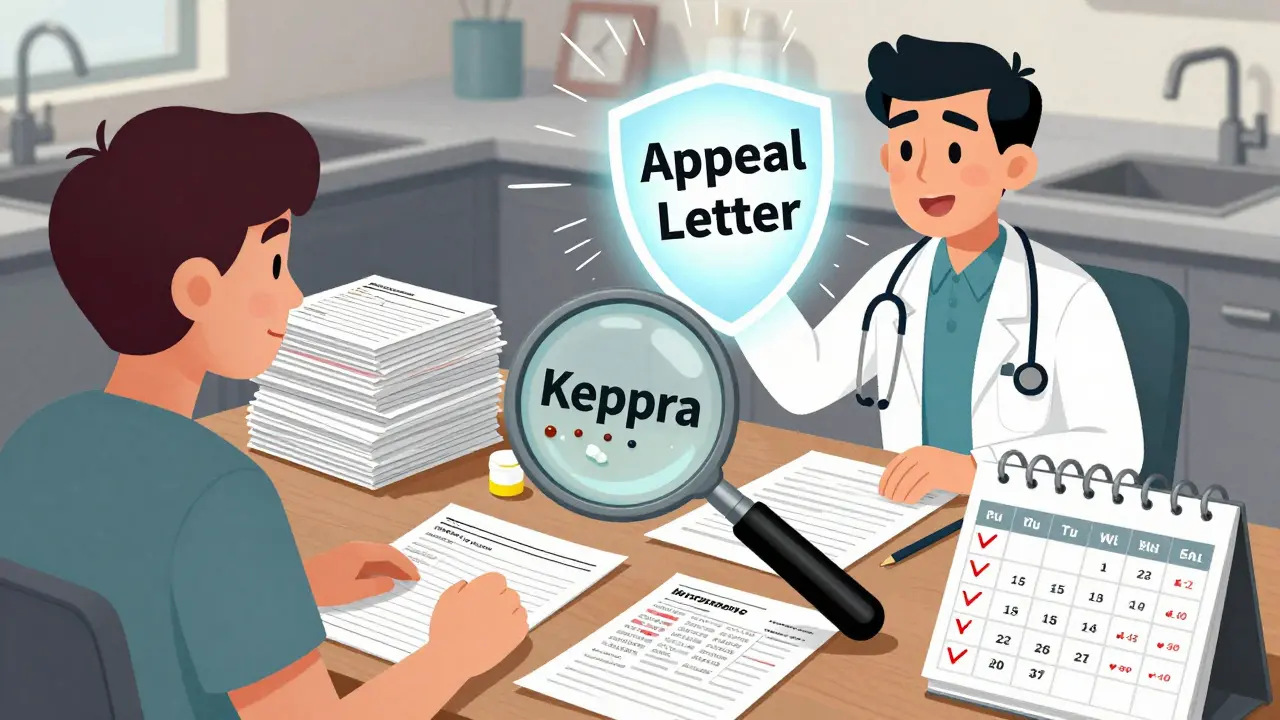
- A detailed letter from your doctor explaining why the brand-name drug is medically necessary
The letter from your doctor is your strongest weapon. Don’t let them write: “Patient needs brand-name.” That won’t cut it. They need to say: “The patient experienced documented therapeutic failure with two generic formulations of levothyroxine, with TSH levels rising to unsafe levels each time. Based on clinical guidelines from the Endocrine Society and FDA labeling for Synthroid, this patient requires the brand-name formulation for stable thyroid replacement.”
Insurers approve 82% of appeals when the doctor includes specific pharmacokinetic reasoning. They approve 37% when the letter is vague. Precision matters.
What Happens If Your First Appeal Gets Denied
Most do. About 42% of initial appeals get turned down. But here’s the key: 67% of external reviews overturn denials when you have solid documentation. If your internal appeal is denied, you can request an external review by an independent third party. This is mandatory under the Affordable Care Act. For Medicare, you move to the next level: review by the Office of Medicare Hearings and Appeals, then the Medicare Appeals Council. The whole process can take months, but for urgent cases-like seizures or heart risks-you can ask for an expedited review. Medicare must respond in 72 hours if you prove immediate harm.Real Stories That Won
One patient in Boston, diagnosed with Hashimoto’s, switched from Synthroid to a generic. Within six weeks, her fatigue worsened, her heart raced, and her TSH shot up to 14.7. She kept a daily log, brought it to her endocrinologist, and together they wrote a letter citing the 2019 Endocrine Society guidelines. Her insurer denied her twice. On the third try-with the external review-the approval came through. She’s been stable for over a year. Another patient with epilepsy had breakthrough seizures after switching from brand-name Keppra to a generic. Her neurologist ordered a functional MRI, which showed abnormal brain activity only after the switch. She included the scan results in her appeal. Approved on the first external review. These aren’t rare. The Patient Advocate Foundation found that 52% of patients who appealed after generic failure eventually got their brand-name drug approved.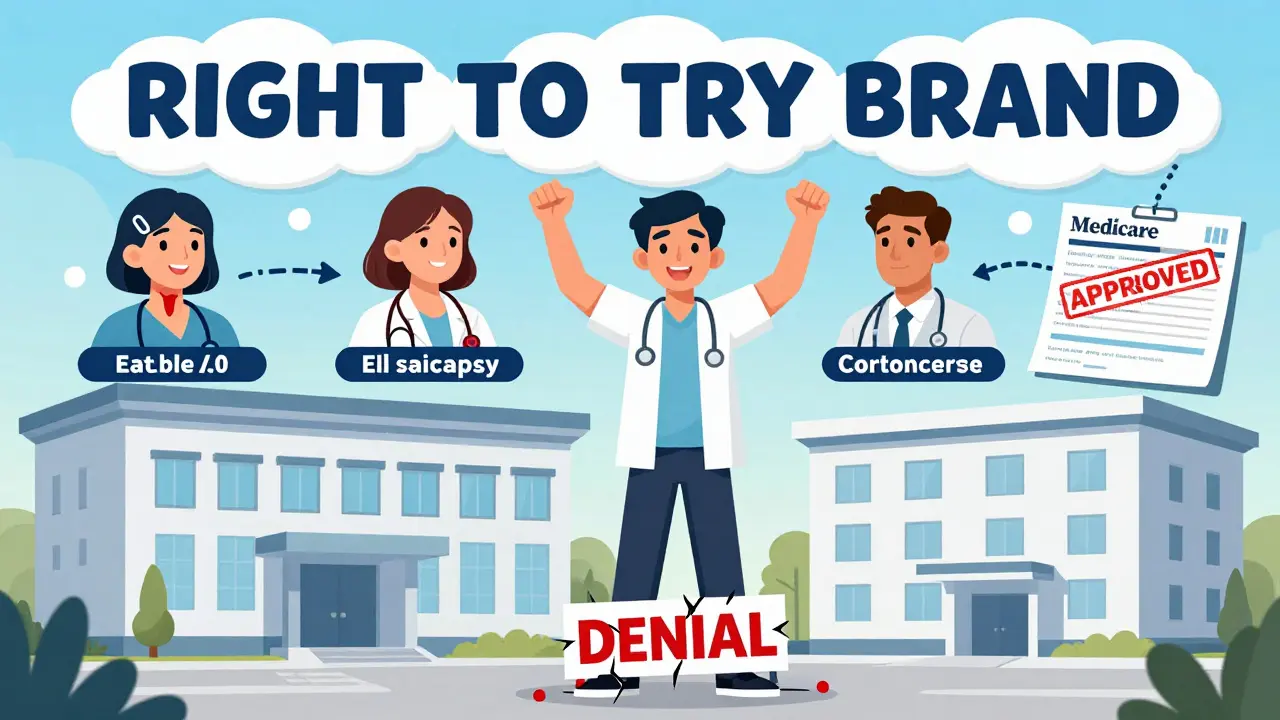
Tools and Help You Can Use
You don’t have to do this alone.- GoodRx Appeal Assistant: Generates a customized appeal letter based on your drug and insurer. Doctors say it’s easy to sign and has helped thousands.
- Patient Advocate Foundation: Offers free case managers who help you build your appeal. Call 1-800-532-5274. Their 2023 report shows 92% satisfaction.
- Crohn’s & Colitis Foundation and Epilepsy Foundation: Both have free appeal toolkits with templates, sample letters, and state-specific rules.
Some specialty pharmacies like OptumRx and Accredo now offer appeal support services. Patients who use them have a 73% approval rate-compared to 51% when they go it alone.
What’s Changing in 2026
The system is slowly getting better. In 2024, CMS mandated that insurers approve brand-name anti-seizure drugs within 72 hours if a generic failed. The FDA is also working on new guidelines that may recognize individualized bioequivalence-meaning your body’s response could be part of the approval standard. Meanwhile, 19 states now have “right to try brand” laws. If you’ve had two documented failures with generics, insurers must approve the brand-name version. And thanks to the Inflation Reduction Act, Medicare beneficiaries no longer pay out-of-pocket costs for approved brand-name drugs after a successful appeal. Still, 62% of doctors say they spend five or more hours a week just on prior authorizations and appeals. That’s a broken system. But for now, the only way to fix it for you is to fight back-with facts, with data, and with the right paperwork.What to Do If You’re Still Stuck
If you’ve done everything-gathered labs, got the doctor’s letter, filed two appeals-and you’re still denied:- Call your state’s insurance commissioner’s office. They can intervene.
- Ask your doctor to write a letter to the insurer’s medical director directly.
- Reach out to patient advocacy groups. Many have legal teams that help with appeals.
- Don’t stop taking your medication. If you can’t afford the brand-name drug, ask your doctor about patient assistance programs. Many manufacturers offer free or low-cost meds if you qualify.
This isn’t about winning a battle with your insurance company. It’s about keeping your health stable. And you have the right to that.
What if my doctor won’t write a letter for the appeal?
Many doctors are overwhelmed, but most will help if you make it easy. Bring them your lab results, symptom log, and a printed template from the Patient Advocate Foundation or Epilepsy Foundation. Ask if they can sign a pre-written letter. Some clinics now have standardized appeal forms built into their EHR systems. If your doctor refuses, ask for a referral to another provider who’s familiar with the process.
Can I appeal if I’m on Medicare Part D?
Yes. Medicare Part D has a five-step appeals process. Start with your plan’s internal review, then move to an independent external review. If denied, you can appeal to the Office of Medicare Hearings and Appeals, then the Medicare Appeals Council. For urgent cases, like risk of seizure or hospitalization, request an expedited review-you’re entitled to a decision in 72 hours.
How long does an appeal take?
Internal appeals usually take 14-30 days. External reviews can take 30-45 days. For urgent cases, Medicare and some private insurers must respond in 72 hours. If your condition is life-threatening, insist on an expedited review. You have the right to one.
Why do insurers say there’s no clinical evidence when I’ve had multiple failures?
Some insurers demand proof that’s overly strict-like requiring six months of failure or multiple generics tried. That’s not medically sound. The FDA and AMA agree: if a patient has a documented adverse reaction or therapeutic failure with one generic, further trials aren’t always necessary. Cite the AMA’s 2022 position paper and the 2023 Patient Advocate Foundation data showing 67% success with proper documentation.
Are all generics the same?
No. Generics are made by different manufacturers, and while they contain the same active ingredient, the inactive ingredients (fillers, dyes, coatings) vary. For some people, these differences cause allergic reactions, absorption issues, or altered drug release. That’s why switching between generics-even if they’re both labeled the same-can cause problems. Always note which manufacturer’s version you’re taking in your logs.
What if I can’t afford the brand-name drug even after approval?
Many drug manufacturers offer patient assistance programs. For example, AbbVie (maker of Synthroid) and UCB (maker of Keppra) have programs that provide free medication to qualifying patients. Ask your pharmacist or doctor for the application. You can also check NeedyMeds.org for free or low-cost options.
So let me get this straight-you’re telling me my body is too special for a pill that’s chemically identical? Next you’ll say my left foot absorbs medicine better than my right. This isn’t medicine, it’s astrology with a prescription pad.
Bro, this is a classic pharmacoeconomic asymmetry 🤯 The bioequivalence paradigm is built on population-level aggregates, but we’re talking about individualized pharmacokinetic variance-your body ain’t a randomized control trial 🧬📉 The FDA’s 80-125% window is a statistical mirage for NTDs. We need N-of-1 regulatory frameworks. #PharmaJustice
my doc said generic is the same then i switched and felt like i got hit by a truck for 3 weeks straight 🤯
turned out the filler in the generic made me itchy and dizzy
now i fight for my brand name like its my last slice of pizza
no cap
It is imperative to recognize that the regulatory framework governing generic pharmaceuticals, while statistically valid at the population level, fails to account for inter-individual pharmacodynamic heterogeneity. The absence of individualized bioequivalence thresholds constitutes a systemic deficiency in patient-centered care. Documentation, as elucidated, is not merely procedural-it is ontological to therapeutic continuity.
Brother, I had the same thing with my thyroid. Switched to generic and I could not walk up the stairs without stopping. My wife cried when she saw me. I fought for six months. They said no. Then I showed the numbers. Then they said yes. Now I am alive. You are not alone. Keep fighting. Your life matters.
i just want to say i’ve been on the same brand name med for 8 years and my insurance tried to switch me twice. both times i said no thanks. they backed off. sometimes you just gotta be quiet and stubborn. also, goodrx is a lifesaver.
you people are so dramatic lol
it’s a pill not a soul
if you can’t handle a generic then maybe you’re just addicted to the brand name placebo
also why do you all think your body is magic? you’re not special
So let me get this straight-you’re telling me your body is too unique for a $3 pill, but you’re cool with paying $400 for the brand? 😂
Meanwhile your doctor’s letter says ‘this is medically necessary’ like it’s a Netflix subscription.
Here’s the truth: insurance isn’t the villain, the system is. But guess what? YOU have power. Get the lab results. Get the letter. Use GoodRx. And if they say no again? Send it to their CEO’s inbox. I’ve seen it work. You got this. 💪💊
I appreciate everyone sharing their stories. This is such an important issue. I work with people who have epilepsy and autoimmune diseases, and I’ve seen firsthand how a switch to a different generic can throw someone into crisis. It’s not about preference-it’s about safety. I’ve helped three people appeal this year. Two got approved after the external review. One didn’t, but they’re on a patient assistance program now. The system is broken, but it’s not unbeatable. Keep your records. Trust your body. And if your doctor won’t help, find another one who will. You’re not asking for luxury-you’re asking for stability. And that’s a human right.