
Blood Clot Risk Calculator
How Your Medications Affect Clot Risk
This calculator helps estimate your risk of developing blood clots related to medications. It uses data from the article to provide personalized risk assessment.
Risk Assessment
Recommendations
Every year, around 900,000 Americans develop dangerous blood clots. About one in five of those cases are linked to medications you’re taking - not because you’re doing anything wrong, but because the drugs themselves are changing how your blood behaves. These aren’t rare side effects. They’re predictable, preventable, and often missed until it’s too late.
What Medications Can Cause Blood Clots?
You might be surprised to learn that some of the most common prescriptions carry clotting risks. Estrogen-based birth control pills, hormone replacement therapy for menopause, certain cancer treatments, and even some antidepressants can tip your body’s natural balance toward clotting.
Combined oral contraceptives, especially those with desogestrel or gestodene, raise your risk of deep vein thrombosis (DVT) by 3 to 5 times compared to not using them. Third-generation pills are 1.5 to 2 times riskier than older versions with levonorgestrel. Hormone replacement therapy? That’s a 2 to 3 times higher risk - and it gets worse after age 60.
Cancer drugs are another big one. Cisplatin, used for lung and testicular cancer, can increase clot risk by 4 to 7 times. Tamoxifen, used for breast cancer, bumps it up 2 to 3 times. Even prostate cancer treatments that lower testosterone can raise your risk by 1.5 to 2 times.
Why does this happen? These drugs change your blood’s chemistry. They increase clotting factors like Factor VII, lower natural anticoagulants like Protein S, and make platelets stickier. It’s not magic - it’s biology. And your body doesn’t always signal when it’s heading toward trouble.
How to Spot a Medication-Induced Blood Clot
Time matters. Most medication-related clots show up within the first 3 to 6 months of starting the drug. That’s your danger window.
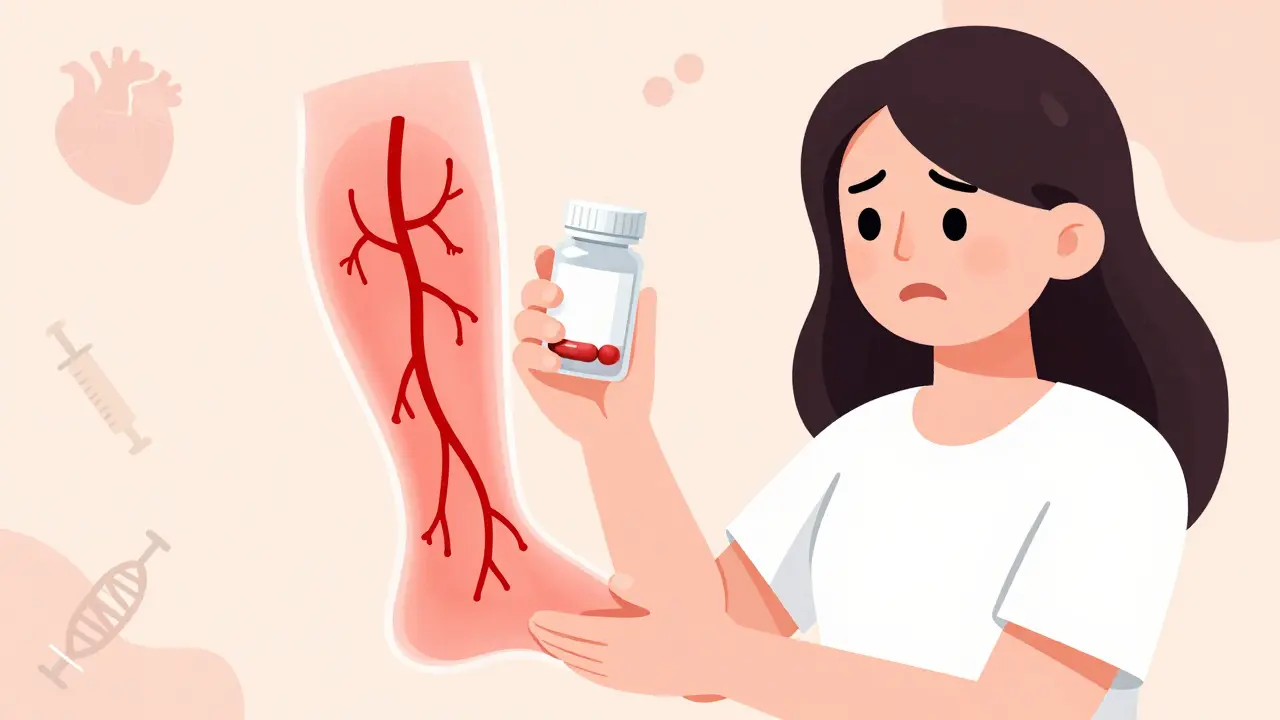
If you’re on birth control or hormone therapy and suddenly notice swelling in one leg - especially the calf - that’s a red flag. The leg might feel warm, look red or blue, and ache like a bad cramp. These are classic signs of deep vein thrombosis.
But the real emergency is when that clot travels. That’s a pulmonary embolism (PE). Symptoms? Sudden shortness of breath, chest pain that gets worse when you breathe in, a racing heart, or feeling like you’re about to pass out. No warning. No gradual buildup. Just a sharp drop in your ability to breathe.
And here’s the problem: many people ignore these signs. They think it’s just a pulled muscle, or anxiety, or being out of shape. But if you’re on a high-risk medication and you feel this way - don’t wait. Get checked.
How Doctors Diagnose These Clots
It’s not guesswork. Doctors use specific tools to confirm if a clot is present.
- A D-dimer blood test checks for fragments of broken-down clots. A negative result means a clot is unlikely - but it’s not perfect. About 5-10% of clots are missed by ultrasound alone.
- An ultrasound of the leg is the first imaging test for suspected DVT. It’s non-invasive and fast.
- If a pulmonary embolism is suspected, a CT pulmonary angiogram gives a clear picture of the lungs’ blood vessels.
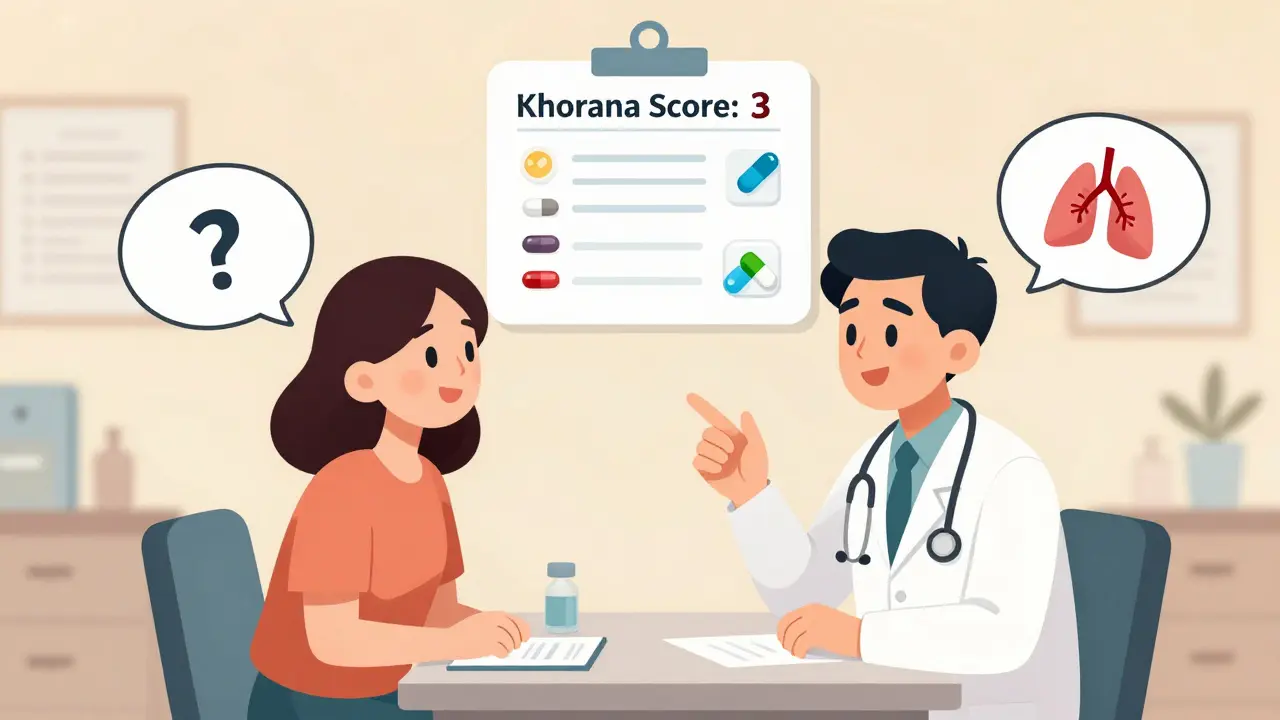
For hospitalized patients, the Padua Score helps predict who’s at risk. For cancer patients, the Khorana Score is used - it’s 85% accurate at spotting who’s likely to develop a clot. If your score is 2 or higher, your doctor should consider preventive treatment.
How to Prevent Medication-Related Clots
Prevention isn’t one-size-fits-all. It depends on your risk level, the drug you’re taking, and your overall health.
For People on Hormonal Medications
If you’re taking estrogen-based birth control or hormone therapy, ask your doctor about your personal risk. If you have a family history of clots, or if you’re over 35 and smoke - you should avoid these drugs entirely. The American Heart Association says women with inherited clotting disorders like Factor V Leiden should never use estrogen-containing pills.
There are alternatives. Progestin-only pills, IUDs, or non-hormonal options exist. Talk to your provider about what fits your life without increasing your clot risk.
For Cancer Patients
If you’re undergoing chemotherapy or hormone therapy for cancer, your doctor should calculate your Khorana Score at the start of treatment - and again every month. If your score is 2 or above, you should be on a blood thinner like enoxaparin (Lovenox), even if you feel fine.
Studies show that low molecular weight heparin reduces clot risk by 60-70% in cancer patients. It’s given as a daily injection under the skin. It’s not fun - but it saves lives.
For Travelers and Hospitalized Patients
Long flights, bed rest after surgery, or even just sitting still for hours can trigger clots - especially if you’re on a high-risk medication.
Here’s what works:
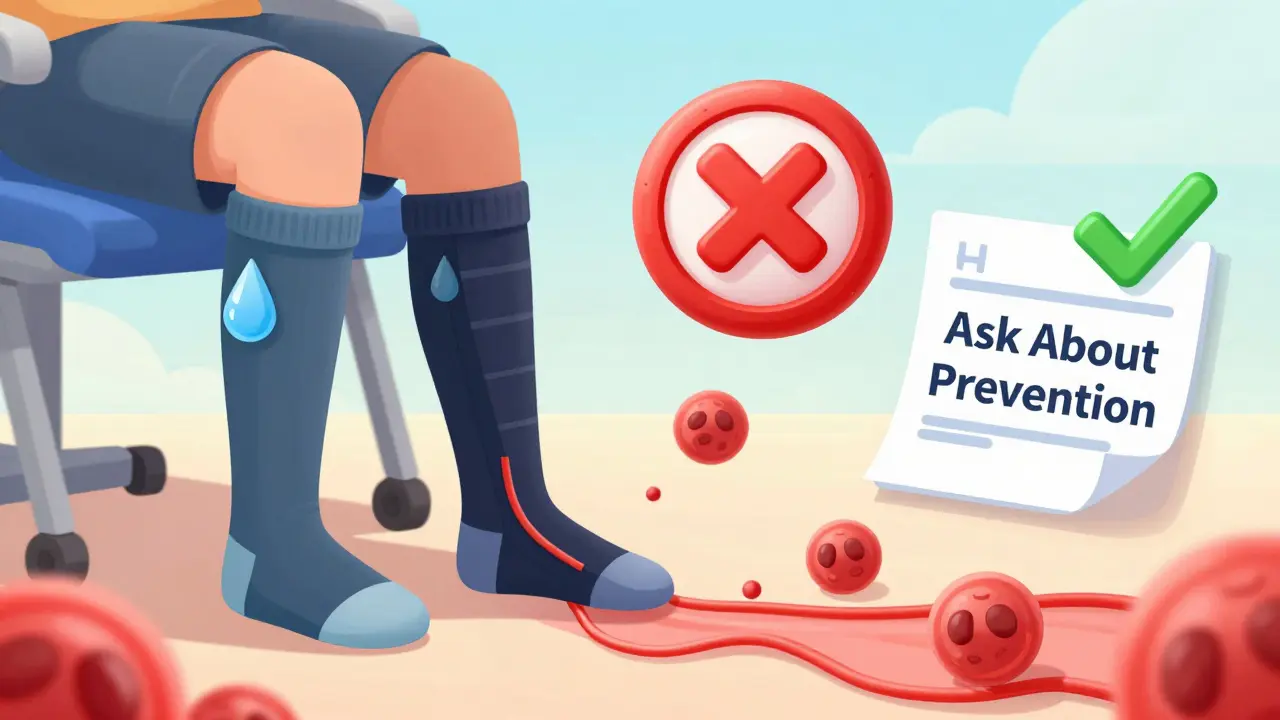
- Wear compression stockings with 15-20 mmHg pressure at the ankle. Make sure they’re fitted properly - 15-20% of people get them wrong, which can cause skin damage.
- Move every hour. Walk for 5 minutes. Do calf raises while seated. Ten repetitions every 30 minutes during a flight.
- Drink water - 8-10 ounces every hour. Dehydration thickens your blood.
- If you’re in the hospital, ask if you’re getting intermittent pneumatic compression devices. These inflatable sleeves squeeze your legs every 10-15 seconds to keep blood moving.
Medications to Prevent Clots
If your risk is high, your doctor may prescribe anticoagulants.
Low molecular weight heparin (like enoxaparin) is still the gold standard for hospitalized or post-surgical patients. It’s injected once a day. It works fast and doesn’t need blood tests.
For long-term outpatient use, DOACs like rivaroxaban or apixaban are now preferred. They’re pills. No blood monitoring. But they carry a slightly higher bleeding risk than heparin - so they’re not for everyone.
And here’s the catch: only 40% of high-risk patients get any kind of prevention. Why? Doctors sometimes underestimate the clot risk or overestimate the bleeding danger. You need to speak up. Ask: “Am I at risk? Should I be on something to prevent clots?”
What You Can Do Right Now
You don’t have to wait for symptoms to get worse. Take control.
- If you’re on birth control or hormone therapy, know your personal risk factors: age, smoking, family history, weight, and whether you’ve had a clot before.
- Keep a symptom journal. Note any swelling, pain, shortness of breath, or unusual fatigue. Bring it to your next appointment.
- Ask your doctor if you need a D-dimer test or ultrasound before starting a high-risk medication - especially if you’re over 40 or have other risk factors.
- Don’t assume your doctor knows your full history. Tell them about every medication, supplement, and past clot.
- If you’re traveling after surgery or starting a new drug, plan ahead. Wear compression socks. Set phone alarms to move every hour.
What’s New in Prevention
Science is moving fast. New drugs like asundexian - a factor XI inhibitor - are showing promise in trials. They reduce clots by half without increasing bleeding, which could change how we prevent these events in the next five years.
Genetic testing for clotting disorders is also getting faster. Right now, full panels take 5-7 days. But point-of-care tests are coming. In the near future, your doctor might check your clotting risk with a quick cheek swab before prescribing estrogen.
The FDA now requires black box warnings on all estrogen-containing medications. The European Medicines Agency now demands specific prevention instructions on labels for high-risk drugs. That’s progress. But it’s still up to you to read the fine print - and ask questions.
Final Thought
Medication-related blood clots aren’t accidents. They’re failures of awareness - by patients and doctors alike. You don’t need to avoid all meds. But you do need to know your risk, recognize the signs, and insist on prevention if you’re in a high-risk group.
The goal isn’t to scare you. It’s to empower you. If you’re taking a drug that can cause clots, you deserve to know how to stay safe. Don’t wait for a crisis. Talk to your doctor today.
Can birth control pills really cause blood clots?
Yes. Combined oral contraceptives with estrogen increase the risk of deep vein thrombosis by 3 to 5 times compared to not using them. Third-generation pills (with desogestrel or gestodene) carry a 1.5 to 2 times higher risk than older versions. The risk is highest in the first 3 to 6 months of use. Women over 35 who smoke, have obesity, or a family history of clots should avoid estrogen-containing pills entirely.
What are the first signs of a blood clot from medication?
For a clot in the leg (DVT), look for sudden swelling, pain like a cramp, warmth, or redness - usually in one leg. For a clot in the lung (PE), symptoms include sudden shortness of breath, chest pain that gets worse with breathing, a fast heartbeat, or feeling faint. These symptoms typically appear within 3 to 6 months of starting a high-risk medication. Don’t dismiss them as normal.
Should I stop my medication if I’m worried about clots?
Never stop a prescribed medication on your own. Stopping cancer drugs, hormone therapy, or birth control suddenly can cause other serious health problems. Instead, talk to your doctor. Ask if your risk is high, whether you need screening, or if there’s a safer alternative. Most clots are preventable with the right plan - not by quitting the drug, but by adding protection.
Are blood thinners safe to take with other medications?
Some blood thinners, especially DOACs like rivaroxaban or apixaban, interact with common drugs like certain antibiotics, antifungals, and seizure medications. Always tell your pharmacist and doctor about every pill, supplement, or herb you take. Some combinations can raise bleeding risk. Others can make the blood thinner less effective. A simple review can prevent a life-threatening mistake.
Can I prevent clots just by drinking more water and moving around?
Hydration and movement help - especially during long flights or after surgery - but they’re not enough on their own if you’re on a high-risk medication. For cancer patients or those with inherited clotting disorders, these steps reduce risk by about 30%, but medical prevention like compression stockings or anticoagulants is often needed. Think of them as part of the plan, not the whole plan.
How do I know if I have a genetic clotting disorder?
If you’ve had a clot before age 50, had clots in unusual places (like the liver or brain), or have a close family member with a clotting history, you should be tested. Common inherited disorders include Factor V Leiden and prothrombin gene mutation. Testing involves a blood draw and takes 5-7 days. If you’re planning to start estrogen therapy and have these risk factors, testing is strongly recommended.
I started taking birth control last year and now my calf feels weird after long flights. Didn't think much of it till I read this. Guess I'm getting compression socks now. No joke.
The way this post breaks down the pharmacology of clotting risks is actually refreshing. Most people think it's just 'hormones bad' or 'blood thinners dangerous' - but the real story is in the molecular shifts: Factor VII up, Protein S down, platelet stickiness amplified. This isn't fearmongering - it's biochemistry in motion.
They don't tell you this because Big Pharma makes billions off clotting complications. They know estrogen triggers coagulopathy - they just hide it in the 12-point font footnote. I've seen three women in my office get PE after starting the pill. No one warned them. It's a cover-up.
This is the kind of info every woman deserves before she walks into a pharmacy. Seriously - if you're on anything estrogen-based, don't just nod and take it. Print this out. Bring it to your doc. Ask for the Khorana Score if you're on chemo. Knowledge isn't power - it's survival.
I just started tamoxifen and now I'm terrified to leave my house. What if I'm already clotting right now? I can't even breathe right. Is this normal? I think I'm dying.
I'm a nurse and I see this all the time. Patients assume if they feel 'fine,' they're safe. But clots don't announce themselves. The real win is catching it early. I always tell my patients: if you're on a high-risk med, treat movement and hydration like medicine - not suggestions.
So basically if you're a woman over 30 and not a vampire, you're supposed to be on blood thinners now? I mean, I get it, but do we really need to turn every pill into a life-or-death gamble? Maybe we should just stop taking meds entirely and eat more kale
They're hiding the truth. The FDA knows estrogen causes clots but lets it stay on the market because the pharma lobby pays more than the lawsuits. I read a leaked memo once - they call it 'the silent profit engine.' You think your birth control is safe? It's a ticking time bomb with a pink box.
I just got my first prescription for HRT and I'm already Googling 'DVT symptoms at 3am' 😅 this post literally saved me from panic mode. Compression socks on order, walking every hour now. Thank you for the clarity 🙏
The data is solid but the tone is alarmist. Most people on birth control never get clots. The absolute risk is still low. You're scaring people into avoiding effective treatments because of statistical noise. It's not about fear - it's about context.
why do americans always make everything so complicated just take the pill and dont move around and then cry when you get sick
Honestly? This is basic medical literacy. If you're not already tracking your clotting factors before starting hormonal meds, you're not just unprepared - you're negligent. This isn't a blog post. It's a public health mandate.
My mum had a PE after her menopause script. Took them 3 days to diagnose it. She's fine now but I wish someone had told us about the Khorana Score. This post? Lifesaver. Sharing with my whole family.
In India, we don't have this luxury. Most women don't even know what a D-dimer is. Doctors prescribe estrogen pills like candy. No screening. No warnings. This is why our healthcare system is broken - not because of the drugs, but because of the silence.
bro i took birth control for 2 years and never had a problem so this is just fear porn 😂 also why are you so scared of your own blood? just chill and live