
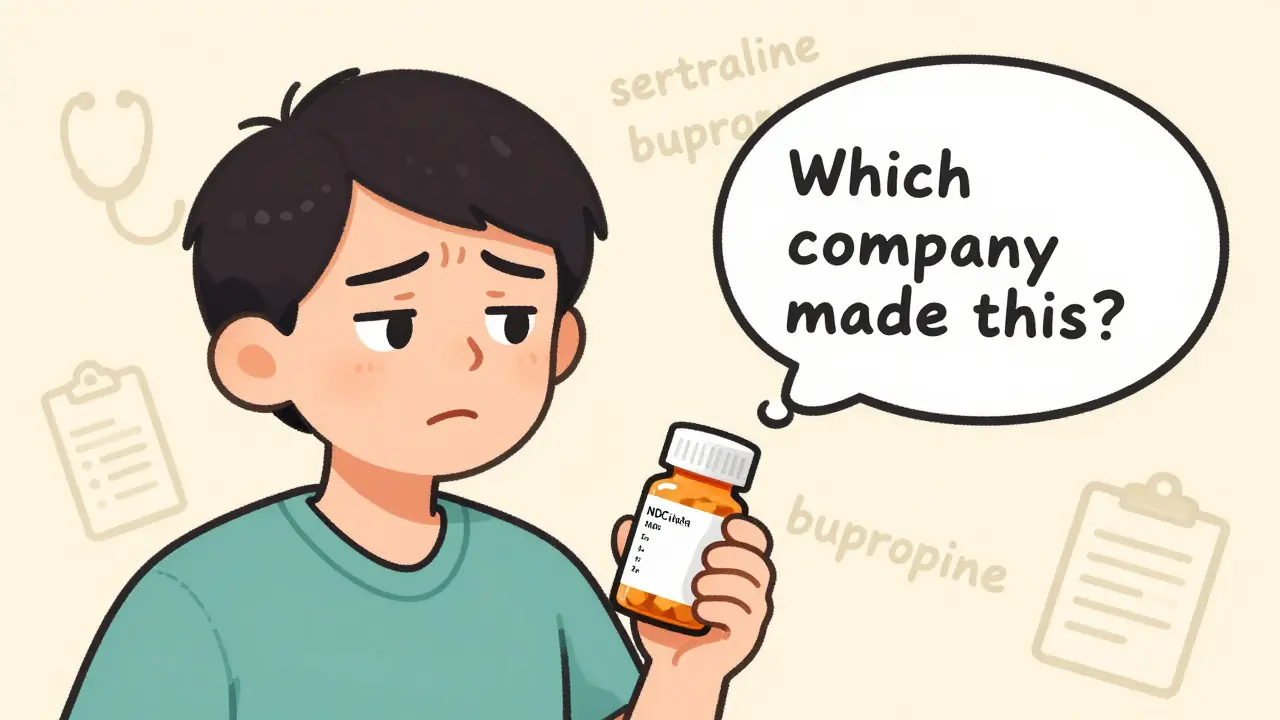
When you pick up a generic pill at the pharmacy, you expect it to work just like the brand-name version. But what happens when it doesn’t? What if you feel worse, or the medicine just doesn’t seem to help anymore? That’s where MedWatch reporting comes in - the quiet but vital system that lets patients and doctors tell the FDA when something goes wrong with a generic drug.
What Is MedWatch, Really?
MedWatch is the U.S. Food and Drug Administration’s official system for collecting reports about problems with medical products. It’s not a fancy lab or a government lab test. It’s a simple, voluntary reporting tool - online or paper - that lets anyone: a patient, a pharmacist, a doctor, or even a caregiver, report a bad reaction, a failed treatment, or a product defect. For brand-name drugs, this system works pretty well. The name is clear: “Lipitor,” “Zoloft,” “Advil.” But for generics? It gets messy. A pill labeled “sertraline” could come from 12 different manufacturers. And MedWatch doesn’t always know which one you took. The FDA has been trying to fix this. As of 2024, over 9 million adverse event reports live in their database, and about half of them involve medications. Of those, nearly half are for generic drugs - even though generics make up 90% of all prescriptions filled in the U.S.Why Generic Drugs Are Hard to Track
Here’s the problem: when you report a side effect, the MedWatch form asks for the drug name. It doesn’t automatically ask, “Which company made this?” A 2023 FDA analysis found that only 28% of patient reports included the National Drug Code (NDC) - the unique barcode on the pill bottle that tells you exactly who made it. That number jumps to 89% for brand-name drugs. Without that code, the FDA can’t tell if the problem is with Mylan’s sertraline or Teva’s. They just see “generic sertraline.” This isn’t just a paperwork issue. It’s a safety gap. Patients report feeling different on a generic version - more anxiety, worse fatigue, or even seizures. These aren’t imagined. In 2022, multiple reports of therapeutic failure with a specific batch of Mylan’s bupropion XL led to an FDA investigation. Within 11 months, the label was updated to warn about possible absorption issues. But that’s rare. Most reports never get that far. Why? Because the system doesn’t know which manufacturer to investigate.Therapeutic Inequivalence: The Silent Problem
One of the most common complaints about generics isn’t a rash or dizziness - it’s that the drug just doesn’t work like it used to. This is called therapeutic inequivalence. Take levothyroxine, the thyroid hormone replacement. Even small changes in how the body absorbs the drug can throw off hormone levels. Patients who’ve been stable on one generic for years suddenly feel tired, gain weight, or get heart palpitations after switching to a different generic version. Many don’t realize the pill changed. They blame themselves - “Maybe I’m not taking it right.” Pharmacists see it all the time. One pharmacist in Ohio submitted 17 MedWatch reports on levothyroxine generics over three years. Only two got replies. But one of them? Led to a label change. That’s how the system should work. The FDA officially recognizes therapeutic inequivalence as a reportable event. But unless you know to select that option - and unless you can name the manufacturer - the report gets lost in the noise.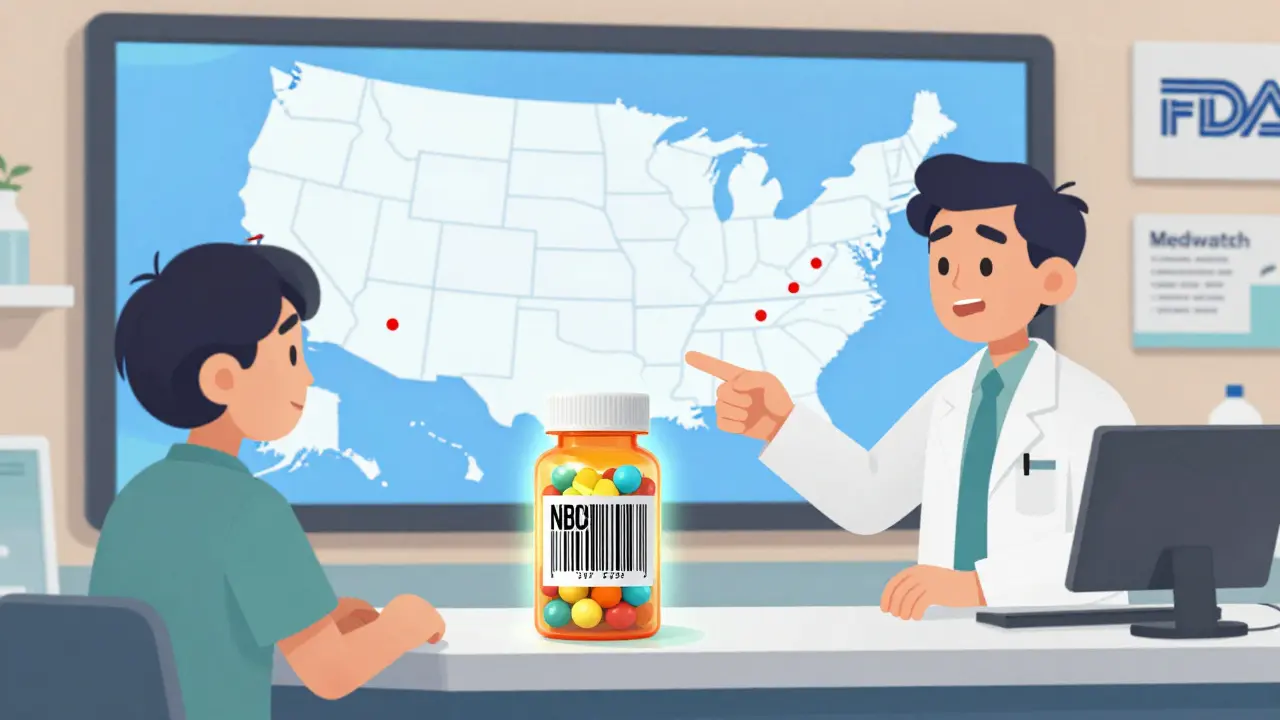
Who Reports - And Why It’s Not Enough
Doctors and pharmacists report more accurately. A 2024 AMA survey found 96% of physicians found MedWatch easy to use. But 78% said they struggled to distinguish between generic manufacturers in the system. Many just write “generic” and move on. Patients? They’re even less likely to know the details. A 2023 FDA review showed 63% of consumer reports didn’t include the manufacturer name. Why? Because most people don’t know how to find it. The NDC code is tiny, printed on the side of the box. No one teaches you to check it. And then there’s the voluntary nature of the system. If you don’t feel seriously ill, you won’t report. If you don’t know MedWatch exists, you won’t report. If you think “it’s just a generic,” you won’t report. The result? Only 4.7% of all drug-related reports in FAERS (the FDA’s database) mention “generic” in connection with therapeutic failure. Experts believe the real number is 5 to 10 times higher.How to Report a Generic Drug Problem - Step by Step
You don’t need to be a doctor. You don’t need to be an expert. If you think a generic drug isn’t working right, here’s how to report it:- Find the pill bottle or box. Look for the NDC number - it’s a 10- or 11-digit code, usually near the barcode.
- Write down the generic name (e.g., “sertraline”) and the manufacturer name (e.g., “Teva,” “Mylan,” “Sandoz”).
- Describe what happened: “I switched from Brand X to Generic Y and started having panic attacks.” Or: “My thyroid levels dropped even though I didn’t change the dose.”
- Go to www.fda.gov/MedWatch and click “Report a Problem.”
- On the form, under “Drug Name,” type: “sertraline generic, manufactured by Teva”.
- Select “Therapeutic inequivalence/failure” from the dropdown if it applies.
- Include your age, gender, and any other meds you take.
- Submit. You don’t need your name, but including it helps if they need to follow up.
What Happens After You Report?
Your report goes into FAERS - the FDA’s database. It’s mixed with thousands of others. Analysts use algorithms to spot patterns. If 10 people report the same issue with the same generic manufacturer, it triggers a review. In 2024, the FDA rolled out a new algorithm that can now identify generic drugs with 92% accuracy - up from just 58% in 2020. That’s huge. It means reports like yours are more likely to be linked to the right manufacturer. Sometimes, it leads to a label change. Sometimes, it leads to a warning letter to the company. Rarely, it leads to a recall. But you won’t hear about it. That’s the point - the system works quietly, behind the scenes.
The Bigger Picture: Why This Matters
Generics save the U.S. healthcare system over $300 billion a year. That’s life-changing money. But safety can’t be an afterthought. The FDA’s new GDUFA III plan, launched in 2023, commits to improving generic drug safety monitoring. By 2026, they plan to connect MedWatch directly to electronic health records. That means when your doctor prescribes a generic, the system might auto-fill the manufacturer and NDC - no guesswork needed. Until then, the system depends on you. Every report matters. Not because one person’s experience changes everything - but because when thousands of people report the same thing, the FDA has to listen.What’s Next for Generic Drug Safety?
The European Union’s EudraVigilance system already requires manufacturers to be identified in every report. The U.S. is catching up. Industry analysts predict a 22% increase in generic-specific adverse event reports by 2027. Why? Because better tools are coming. Better data. Better tracking. But none of it matters unless people report. If you’ve had a bad experience with a generic drug - even if you’re not sure it’s the drug’s fault - report it. Write down the NDC. Name the maker. Be specific. You’re not just complaining. You’re helping protect the next person who takes that pill.Do I need to be a doctor to report a problem with a generic drug?
No. Anyone can report - patients, caregivers, pharmacists, or family members. The FDA encourages reports from all sources. You don’t need medical training. Just know the drug name, what happened, and if possible, the manufacturer name or NDC code.
How do I find the manufacturer of my generic drug?
Look at the pill bottle or box. The National Drug Code (NDC) is a 10- or 11-digit number. You can enter it into the FDA’s NDC Directory online to find the manufacturer. Or, check the small print on the packaging - many companies print their name right next to the generic drug name.
What if I don’t know which generic I’m taking?
Call your pharmacy. They can tell you the manufacturer and NDC code. Even if you can’t find the exact name, report it as “generic [drug name]” and note that you’re unsure of the maker. The FDA still collects this data - and it helps them spot patterns.
Will my report lead to my drug being pulled from the market?
It’s unlikely. Most reports don’t lead to recalls. But they can lead to label changes, updated warnings, or FDA investigations into manufacturing practices. Your report helps improve safety for everyone, even if you never hear back.
Are generic drugs less safe than brand-name drugs?
By law, generics must be bioequivalent to the brand-name version - meaning they deliver the same active ingredient at the same rate. But differences in inactive ingredients or manufacturing can cause variations in how some people respond. Most generics are safe. But when problems happen, they’re often missed because reports don’t identify the maker. That’s why reporting matters.
Just wanted to say I’ve been reporting my generic sertraline issues for years. Last year I switched from Teva to Mylan and started having panic attacks at 3 AM. Took me three weeks to realize it wasn’t me-it was the pill. I found the NDC on the bottle, typed it into the FDA database, and reported it. Two months later, my pharmacist told me they’d flagged that batch. I didn’t get a letter, but I know someone did. Keep reporting. It matters.
Oh please. Another American whining about generics. In the UK, we don’t have this nonsense. Our NHS has strict bioequivalence standards and manufacturers are held accountable. You people let Big Pharma play you like fools. If you can’t even read the tiny print on your bottle, maybe you shouldn’t be taking pills at all. #BritishCommonSense
Man, I used to think generics were just cheaper versions of the same thing. Then my buddy’s mom went from stable on levothyroxine to heart racing and weight gain after a pharmacy switch. She thought she was going crazy. Turns out it was a different filler in the pill-something that triggered her autoimmune thing. She reported it. Nobody called. No fanfare. But the next batch they got? Back to the old maker. Small wins. Keep doing the thing, even if it feels like shouting into a void.
Let’s be real. The FDA’s 92% accuracy rate on generics? That’s still 8% of reports misattributed. And that’s assuming the patient even knows how to find the NDC. Most seniors don’t. Most low-income folks don’t. This isn’t a reporting problem-it’s a systemic failure to design for human behavior. If you want data, make the NDC auto-populate from the pharmacy’s EHR. Until then, you’re just asking people to do your job for free.
I switched generics for my blood pressure med last month and felt like I was drowning in slow motion. Couldn’t focus. Legs felt heavy. Thought I was aging. Called my pharmacist-they told me the maker changed from Sandoz to Mylan. I looked up the NDC, wrote it down, and submitted a report. Didn’t expect anything. But now I feel like I did something right. Thanks for the guide. I’ll share this with my mom.
Wait. You mean the FDA doesn’t already know which company made your generic? That’s not a gap. That’s a crime. Someone’s making billions off these pills and we’re left to be amateur pharmacologists? This isn’t a bug-it’s a feature. Keeps the big guys from getting caught. I’ve seen this before. It’s always the same. They let you report. Then they bury it. Until someone dies. Then they act. Classic.
Don’t overcomplicate this. If you feel weird after a switch, write down the bottle info. Take 10 minutes. Report it. You don’t need to be a scientist. You just need to be observant. I did it for my dad’s diabetes med. Two months later, the pharmacy stopped stocking that batch. No big announcement. Just… it vanished. That’s how it works. You don’t get a medal. But you save someone else from the same mess.
USA still can't get basic healthcare right? 😒 I'm from Nigeria and we have no generics regulation at all-but at least we don't pretend we do. You people have a whole system, and you're too lazy to use the NDC code? My cousin in Lagos gets her meds from a roadside stall and she knows the maker by the color of the pill. You have smartphones and you can't read a barcode? 🤦♀️ #ThirdWorldBetterThanYourSystem
It’s all about personal responsibility. If you can’t be bothered to read the label, you deserve what you get. I’ve been on the same generic for 12 years. I check the NDC every time. If it changes, I ask my pharmacist. No drama. No reports. Just awareness. You can’t blame the system when you refuse to engage with it. This isn’t a conspiracy-it’s a choice.
Just reported my levothyroxine issue yesterday. Switched from Greenstone to Teva and suddenly my anxiety went nuclear. I didn’t even know I could report this. Thanks for the post. I’m gonna print this out and give it to my mom. She’s 72 and thinks the pharmacy just ‘switches things around.’ She needs this.
Found the NDC on my bottle. Took 20 seconds. Reported it. Done. No drama. No hashtags. Just facts. If you’re not reporting, you’re letting someone else take the risk. That’s not brave. That’s lazy.
Oh so now the FDA is secretly tracking which generic maker is poisoning us? 🤭 I bet they’re the same ones who told us vaping was safe. And the same people who said thalidomide was fine for morning sickness. You think they want you to report? Nah. They want you to think you’re helping. Meanwhile, the manufacturers are laughing all the way to the bank. I’ve got 17 bottles in my drawer. All different makers. All different effects. I’m not reporting. I’m collecting. And one day? I’m filing a class action.
I used to think generics were fine. Then my sister had a seizure after switching to a new batch of lamotrigine. She didn’t even know it was a different maker. The pharmacy didn’t tell her. The doctor didn’t ask. We found the NDC by accident-on the receipt. We reported it. Three months later, the FDA issued a warning. No one told us. We found it on their website. That’s the system. Quiet. Broken. But it works-if you’re stubborn enough to keep pushing.
bro i tried reporting my generic adderall and the form crashed 3 times. then i gave up. like wtf is this 2005 software? and the dropdown for 'therapeutic failure' was buried under 12 other options. i had to google how to find the ndc. if the fda can't make a form that works on a phone, how are they gonna fix the system? also i'm pretty sure my pill was made in india and the form didn't even have a country option. this is a joke.
Let’s not pretend this is about safety. It’s about liability. If the FDA tied every report to a manufacturer, they’d be sued into oblivion. The system is designed to obscure. The NDC? A red herring. The real problem? The FDA approves generics based on bioequivalence studies done on 20-30 healthy young men. Not elderly diabetics. Not people on 12 meds. Not people with gut issues. Your report won’t change anything. But if you want to feel useful? Go ahead. Just don’t expect results.