
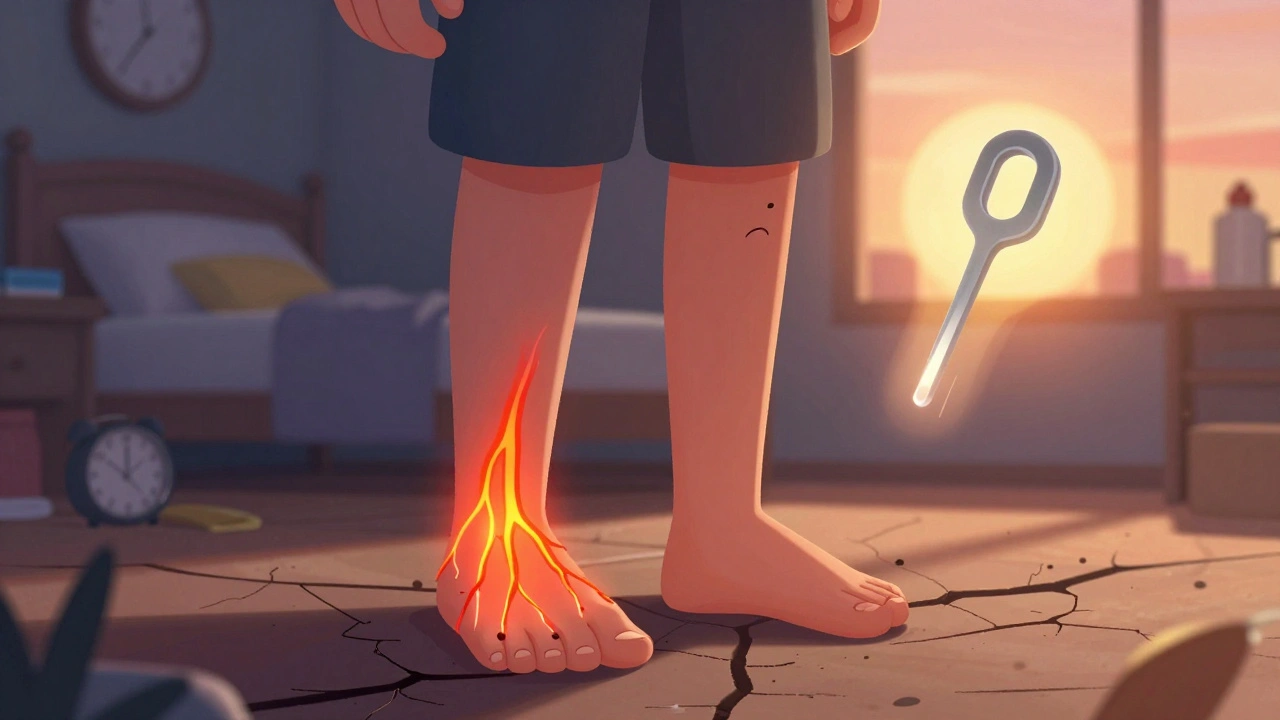
More than 20 million Americans live with peripheral neuropathy-a condition where nerves outside the brain and spinal cord get damaged, sending wrong signals to the body. For many, it starts with a quiet tingling in the toes, then turns into burning pain that keeps them awake at night. It’s not just discomfort; it’s a loss of balance, difficulty walking, and the fear of stepping on something sharp without feeling it. The good news? We know more about what causes it and how to manage it today than ever before.
What Exactly Is Peripheral Neuropathy?
Peripheral nerves connect your brain and spinal cord to the rest of your body-your hands, feet, muscles, skin, and even organs. When these nerves get damaged, they don’t send messages properly. Some send too much pain when there’s no injury. Others go silent, making you lose feeling in your feet. This isn’t one disease; it’s a group of over 100 different nerve disorders. Most people have polyneuropathy, meaning many nerves are affected at once, usually starting in the feet and moving up. About 75% of cases fall into this category. Others have damage to just one nerve (mononeuropathy), like carpal tunnel syndrome.
The symptoms are hard to ignore. People describe them as stabbing, burning, or electric shocks. Numbness is common too-so much so that some don’t realize they’ve stepped on a nail until they see the wound. Balance problems are a major risk; 42% of those with neuropathy have fallen at least once because they couldn’t feel the ground. Sleep suffers too-75% report losing two or more hours a night from pain.
What Causes Nerve Damage?
Diabetes is the biggest culprit. Half of all people with diabetes develop some form of nerve damage. The numbers are clear: if your HbA1c stays above 7% for years, your risk shoots up. But diabetes isn’t the only cause. Vitamin B12 deficiency affects about 8% of cases. If you’re over 60, on a vegan diet, or take metformin for diabetes, your B12 might be low. A simple blood test can catch this-and fixing it often reverses symptoms within weeks.
Chemotherapy is another major cause. About one in three cancer patients on drugs like paclitaxel or vincristine develop neuropathy. It can show up during treatment and stick around long after. Some people think it’s just a side effect they have to live with. But that’s not true-there are ways to manage it.
Other causes include alcohol abuse, autoimmune diseases like lupus or Guillain-Barré, infections like shingles, and even some inherited conditions like Charcot-Marie-Tooth disease. In about 20% of cases, doctors can’t find a cause at all. These are called idiopathic neuropathies.
What’s surprising is how long it takes to get diagnosed. On average, people wait 18 months from first symptoms to a confirmed diagnosis. By then, nerve damage may already be advanced. Early detection matters.
How Is It Diagnosed?
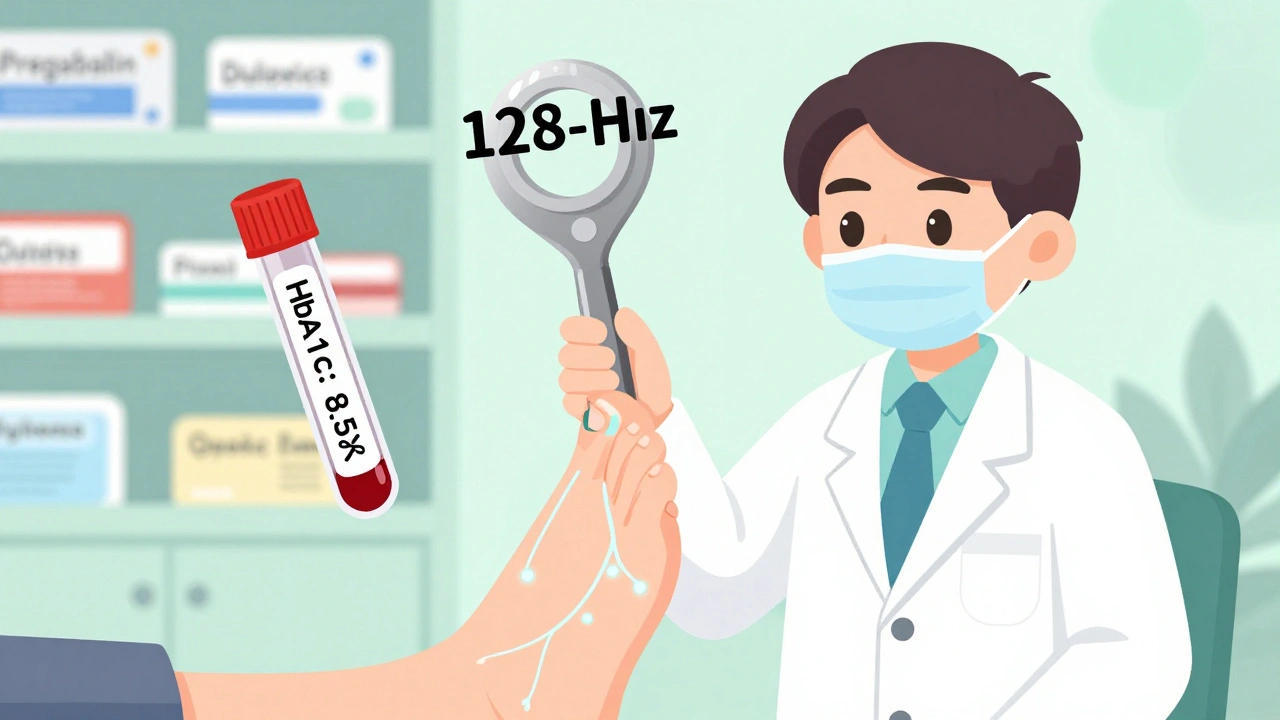
There’s no single test. Doctors start with a physical exam-checking reflexes, sensation with a soft brush or tuning fork, and muscle strength. A 128-Hz tuning fork test can tell if you can feel vibrations in your big toe. A 10-gram monofilament pressed against your foot checks for loss of touch sensation. These simple tools are used in clinics across the country.
If the exam suggests neuropathy, you’ll likely get a nerve conduction study. It measures how fast electrical signals move through your nerves. Normal speed is above 50 meters per second. If it’s below 40, your nerves are damaged. Electromyography (EMG) checks muscle response to nerve signals. Blood tests look for diabetes, B12 levels, thyroid issues, or signs of autoimmune disease.
These tests aren’t cheap-costing $500 to $1,500-but they’re necessary. Without them, you might be treated for the wrong thing. Many patients are misdiagnosed with arthritis or just told it’s “aging.”
Pain Management: What Actually Works?
Over-the-counter painkillers like ibuprofen or acetaminophen? They don’t work well for nerve pain. Studies show they reduce pain by only 10-15%. That’s why doctors turn to medications designed for nerve damage.
Pregabalin (Lyrica) is a first-line treatment. It reduces pain by 50% in about 37% of people. But it comes with side effects: dizziness, weight gain, and brain fog. One patient on Reddit said, “It cut my foot pain from 8/10 to 3/10-but I couldn’t drive for two weeks.”
Duloxetine (Cymbalta), an antidepressant, works for 35% of users. It helps with both pain and depression, which often go hand-in-hand with chronic pain. But nausea is common-many quit after two weeks.
Amitriptyline, an older tricyclic antidepressant, is effective for 41% of patients. It’s cheap and often covered by insurance. But dry mouth affects 75%, and drowsiness hits 60%. Still, many keep using it because it works.
For those who don’t respond to pills, there’s scrambler therapy. It uses electrical signals to “trick” the brain into not registering pain. After 10 sessions, 85% of patients report 50% pain reduction. The catch? Each session costs $120-$150, and insurance doesn’t always cover it.
Spinal cord stimulation is another option for severe cases. A small device is implanted near the spine to send gentle pulses that block pain signals. It works for 65% of people who’ve tried everything else.
And then there’s Qutenza, a capsaicin patch approved by the FDA in 2020. One 30-minute application can give you three months of relief. It’s applied in a doctor’s office and can be painful during treatment-but for many, the payoff is worth it.
Non-Medication Approaches That Help
Medications aren’t the only answer. Physical therapy is one of the most underused tools. A 12-week program focused on balance and strength can reduce fall risk by 30%. Simple exercises like standing on one foot, heel-to-toe walking, and chair stands improve stability. Patients report better confidence walking on uneven surfaces and fewer trips.
Custom orthotics and therapeutic shoes are game-changers. Eighty-two percent of users say they reduce pain and prevent foot injuries. If you have numb feet, wearing the wrong shoes can lead to ulcers-and even amputations. Special shoes distribute pressure evenly and protect your feet from unnoticed trauma.
For diabetic patients, tight blood sugar control is the most powerful treatment. Keeping HbA1c below 7% for five years cuts neuropathy progression by 60%. That’s not a guess-it’s from the Diabetes Control and Complications Trial. It takes daily monitoring, diet changes, and sometimes insulin. But the long-term payoff is huge.
Some find relief with acupuncture, massage, or mindfulness. While not cures, they help with stress and sleep. One study showed 40% of patients using meditation reported better pain tolerance.
What Doesn’t Work-and What’s Dangerous
Opioids are a trap. They’re sometimes prescribed for severe nerve pain, but studies show they only help 30% of patients. Worse, over 15% become addicted with long-term use. The American Diabetes Association and the American Academy of Neurology both warn against them.
Supplements like alpha-lipoic acid or evening primrose oil are popular online. But the evidence is weak. The NHS and Mayo Clinic don’t recommend them as standard treatment. Don’t waste money or risk interactions with your meds.
And don’t ignore foot care. If you can’t feel your feet, you won’t notice a blister, cut, or ingrown toenail. Check them twice a day. Wash, dry, and inspect every inch. Use a mirror if you can’t see the bottom. Wear socks to bed if your feet get cold. These small steps prevent big problems.
Living With It: Real Challenges
People with peripheral neuropathy don’t just deal with pain. They deal with isolation, job loss, and depression. Forty percent report reduced work capacity. One in four retire early. The emotional toll is real.
Medication side effects make adherence hard. Mayo Clinic data shows half of patients stop their meds within six months because of dizziness, nausea, or fatigue. That’s why finding the right mix takes time-and patience.
Support helps. The Foundation for Peripheral Neuropathy offers free resources, including their “Neuropathy Now” program. CDC diabetes education programs are available in every state. Online communities like Reddit’s r/neuropathy have over 12,000 members sharing tips, medication experiences, and emotional support.
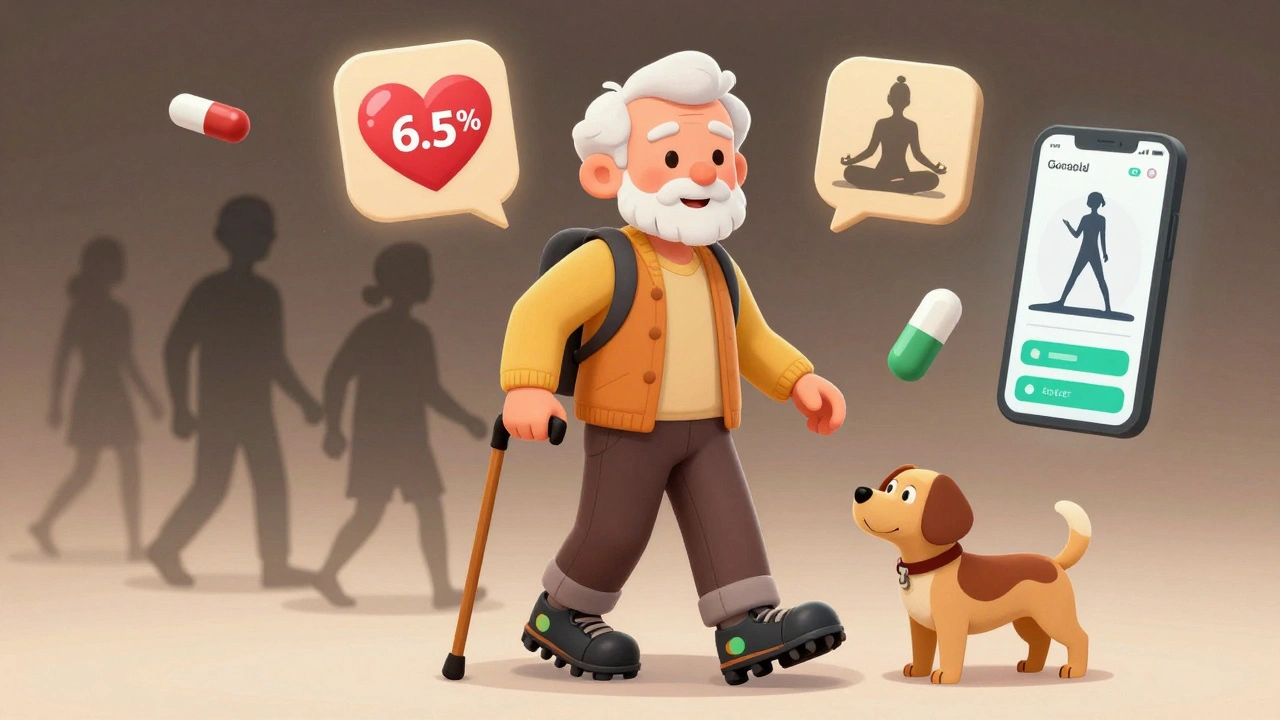
One woman wrote: “I used to hate putting on shoes. Now I wear my orthotics and walk my dog every morning. It’s not perfect-but it’s my life again.”
What’s Next for Treatment?
Research is moving fast. In 2023, the Foundation for Peripheral Neuropathy launched the Neuropathy Genomics Project, aiming to identify genetic causes for over 50 types by 2026. That could lead to personalized treatments.
Gene therapy for inherited neuropathies like Charcot-Marie-Tooth is in early trials. One study showed a 20% improvement in nerve speed after six months. Wearable nerve stimulators are being tested too-devices you wear like a brace that deliver gentle pulses all day. Early results show 40% pain reduction.
AI tools are being developed to cut diagnosis time from 18 months to just six. Imagine a smartphone app that analyzes your gait or foot pressure patterns during a walk. That could flag problems before they get serious.
By 2030, experts predict combination therapies will be standard-meds that reduce pain while also helping nerves heal. That’s the future: not just managing symptoms, but reversing damage.
Can peripheral neuropathy be reversed?
In some cases, yes-if the cause is treatable. Nerve damage from vitamin B12 deficiency, alcohol abuse, or certain infections can improve or even reverse with proper treatment. For diabetic neuropathy, strict blood sugar control can stop progression and sometimes improve symptoms over time. But once nerve fibers are destroyed, they don’t regenerate easily. Early intervention is key.
Is peripheral neuropathy the same as carpal tunnel syndrome?
Carpal tunnel is a type of peripheral neuropathy, but only one kind. It affects just the median nerve in the wrist. Peripheral neuropathy usually refers to widespread damage, often in both feet and hands. Carpal tunnel is mononeuropathy; most people with peripheral neuropathy have polyneuropathy.
Can I still drive with peripheral neuropathy?
It depends. If you have numbness in your feet, you may not feel the pedals properly. Some people use adaptive pedals or avoid driving at night. Medications like pregabalin can cause dizziness, which also affects safety. Always talk to your doctor. If your balance is poor or you’ve had falls, driving may not be safe.
How long does it take for neuropathy treatments to work?
It varies. For B12 deficiency, improvement starts in 4-8 weeks. For diabetic control, it takes 3-6 months to see symptom changes. Medications like pregabalin or duloxetine may take 2-4 weeks to build up in your system. Scrambler therapy requires 10 sessions over 2-3 weeks. Patience is essential-nerve healing is slow.
Are there any new FDA-approved treatments?
Yes. Qutenza, a high-dose capsaicin patch, was approved in 2020 and provides up to three months of relief from a single 30-minute application. Wearable nerve stimulators are in late-stage trials and could be available by 2025. Gene therapies are still experimental but show promise for inherited forms.
Peripheral neuropathy isn’t just a side effect-it’s a life-altering condition. But it’s not a death sentence. With the right diagnosis, targeted treatment, and daily care, many people regain control. The key is acting early, staying informed, and not giving up on finding what works for you.
Diabetes is the big one but nobody talks about how metformin kills B12 and then we wonder why people are falling over
Been living with this for 12 years. Lyrica made me gain 30 pounds and feel like a zombie. Amitriptyline? Dry mouth so bad I had to sleep with a humidifier. But it's the only thing that let me sleep through the night. Worth it.
Of course the FDA approved a capsaicin patch that costs $500 a pop. Because nothing says healthcare innovation like making pain relief a luxury item. Meanwhile my neighbor’s dog gets better care than I do.
It's worth noting that peripheral neuropathy isn't always symmetrical. Some patients experience asymmetric damage, which can complicate diagnosis. The monofilament test is reliable, but only if applied consistently across all foot sites. Many clinicians skip the lateral forefoot, leading to underdiagnosis.
Alpha-lipoic acid? Please. If you're spending money on supplements instead of controlling your HbA1c, you're not managing your condition-you're performing self-deception.
It's not about the pain. It's about the silence. When your feet stop talking to you, you start forgetting you have them.
Check your feet daily. Wear proper shoes. Control your sugar. That's it.
Why are we still using 1980s tech like tuning forks? We have smartphones with pressure sensors. A $5 app could do better than a clinic visit. Lazy medicine.
My cousin had this after chemo and they gave him gabapentin and told him to tough it out. He lost his job. He lost his marriage. No one cared. This isn't a medical issue it's a human crisis and nobody in the system gives a damn
Qutenza? Cute. I'll take my $150 patch and my 3 months of relief and put it next to my $800 monthly insulin bill. 💅
We treat symptoms like they're the enemy. But what if the numbness isn't the problem? What if it's the body's way of saying, I can't handle this anymore? Maybe the real cure isn't in the patch or the pill-but in learning to listen.
My grandmother lost both toes to an unnoticed blister. She never complained. She just stopped wearing shoes. We called it old age. It wasn't. It was neglect. We need to stop calling this "just part of aging"-it's preventable, treatable, and we're failing people.