Hyperpigmentation: Causes, Triggers, and How Medications Can Affect Skin Color
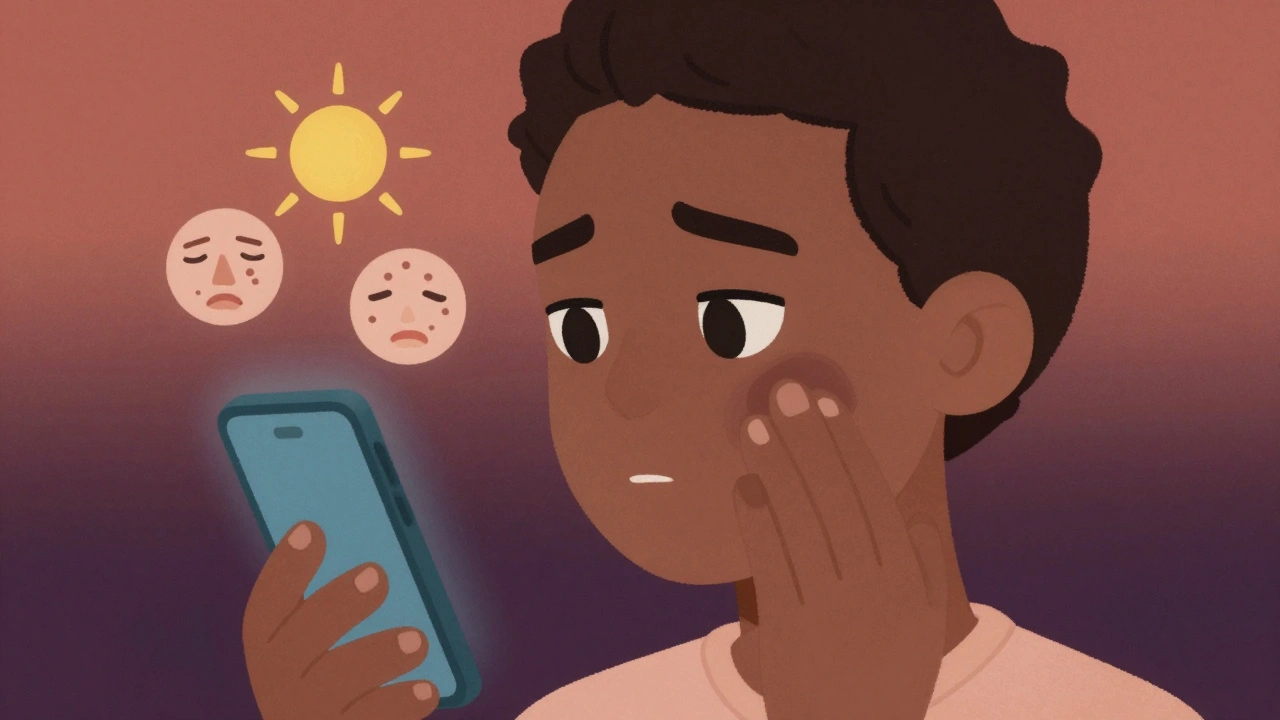
When your skin darkens in patches—on your face, hands, or anywhere else—it’s called hyperpigmentation, a condition where excess melanin builds up in the skin, causing darker spots or patches. Also known as melanin overproduction, it’s not always harmless. Sometimes it’s just a tan that won’t fade. Other times, it’s your body’s warning sign that a medication, UV exposure, or inflammation is messing with your skin’s natural balance.
Many of the drugs you take daily can trigger this. Take photosensitivity, a reaction where skin becomes unusually sensitive to sunlight because of certain medications. Drugs like tetracycline, NSAIDs, or even some antidepressants can make your skin burn faster and darken more easily after sun exposure. That’s not just a sunburn—it’s skin reaction, an abnormal response triggered by a drug interacting with UV light. And if you’re on long-term meds like prednisone or antimalarials, you might notice brownish patches slowly appearing, even if you wear sunscreen. These aren’t random. They’re side effects built into how your body processes the drug.
It’s not just about the sun. Inflammation from acne, eczema, or even a bad rash can leave behind dark marks after it heals—that’s post-inflammatory hyperpigmentation. But here’s the catch: some treatments for those conditions, like topical retinoids or hydroquinone, are meant to fix it. Others, like certain antibiotics or chemotherapy drugs, can make it worse. And if you’re using OTC antifungals like clotrimazole for athlete’s foot, you might not realize that skin irritation from the infection itself could be the real cause of the darkening—not the cream.
What you need to know is this: hyperpigmentation isn’t always something you can scrub away. If it shows up suddenly, spreads fast, or shows up where you’ve never had sun exposure, it’s time to look at what you’re taking. Check your meds. Talk to your pharmacist. Look for warnings about UV sensitivity. The same drugs that help your arthritis, depression, or infection might be quietly changing your skin’s color. And if you’re using sun protection to prevent skin damage, you’re already halfway there—but you need to know which meds make that protection non-negotiable.
Below, you’ll find real stories and science-backed advice on how medications, sun exposure, and skin changes connect. You’ll learn which drugs are most likely to cause dark spots, how to tell if it’s harmless or serious, and what steps to take before it becomes permanent. This isn’t about beauty—it’s about recognizing your body’s signals before they turn into something harder to fix.
Hyperpigmentation and keloids are common, persistent skin conditions in people with darker skin tones. Learn what causes them, how to treat them safely, and how to prevent them from worsening over time.