Hypertension Treatment: Effective Medications, Lifestyle Changes, and What Works Best
When you hear hypertension treatment, the medical approach to managing persistently high blood pressure to prevent heart attack, stroke, and kidney damage. Also known as high blood pressure treatment, it’s not just about popping a pill—it’s about understanding how your body responds to what you eat, how you move, and when you take your meds. About one in three adults in the U.S. has hypertension, and many don’t even know it. That’s because it doesn’t usually cause symptoms until it’s already damaging your arteries, heart, or kidneys.
Blood pressure medication, drugs prescribed to lower elevated blood pressure levels, often used in combination for better control comes in many forms: ACE inhibitors, beta-blockers, diuretics, calcium channel blockers. Each works differently. Some relax blood vessels. Others help your kidneys flush out extra fluid. Some slow your heart rate. The right mix depends on your age, other health conditions, and how your body reacts. There’s no magic drug—what works for your neighbor might not work for you. That’s why doctors often start low and go slow, adjusting until your numbers settle into a safe range.
Lifestyle changes for hypertension, non-drug strategies like diet, exercise, and stress reduction that directly impact blood pressure levels aren’t optional extras—they’re the foundation. Cutting salt, eating more potassium-rich foods like bananas and spinach, walking 30 minutes a day, and limiting alcohol can drop your systolic pressure by 10 points or more. Losing just 5% of your body weight can make a measurable difference. And it’s not just about what you do—it’s about when. Taking your meds at night, for example, has been shown in studies to lower morning blood pressure spikes that often trigger heart events.
Many people think hypertension treatment is a life sentence of pills. But it’s more like a partnership between you and your body. Some people lower their numbers so much with lifestyle changes that they reduce or even stop meds—under doctor supervision, of course. Others need a combo of drugs and habits to stay protected. The key is consistency. Skipping pills because you feel fine is like ignoring a check-engine light. The damage is happening silently.
You’ll find real-world advice here on how to time your meds to avoid interactions, what to do when side effects hit, how to spot dangerous reactions, and how to work with your pharmacist to get the most from your treatment plan. These aren’t theory pieces—they’re based on what actually works for people managing this condition every day. Whether you’re just starting out or have been on treatment for years, there’s something here that can help you take control.
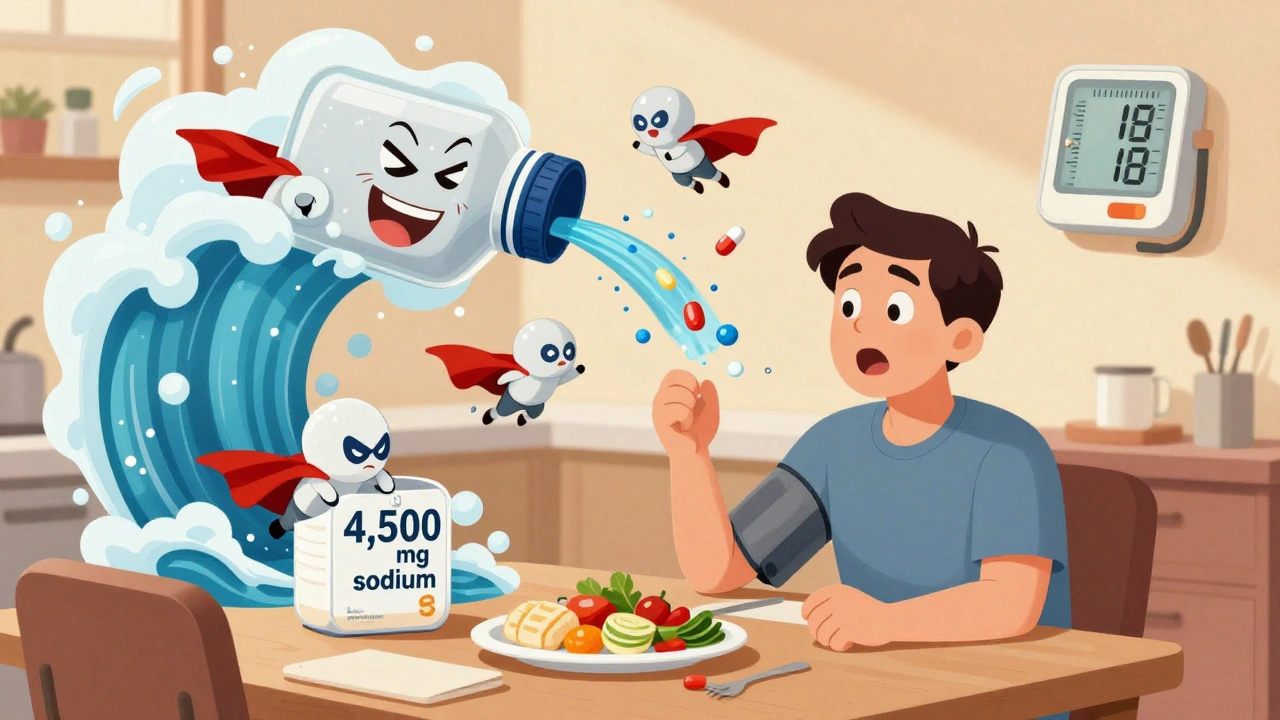
Cutting salt can boost the effectiveness of blood pressure meds by up to half, lowering pressure in as little as one week. Learn how sodium interferes with common drugs and what to eat instead.