Keloids: What They Are, How They Form, and What Treatments Actually Work
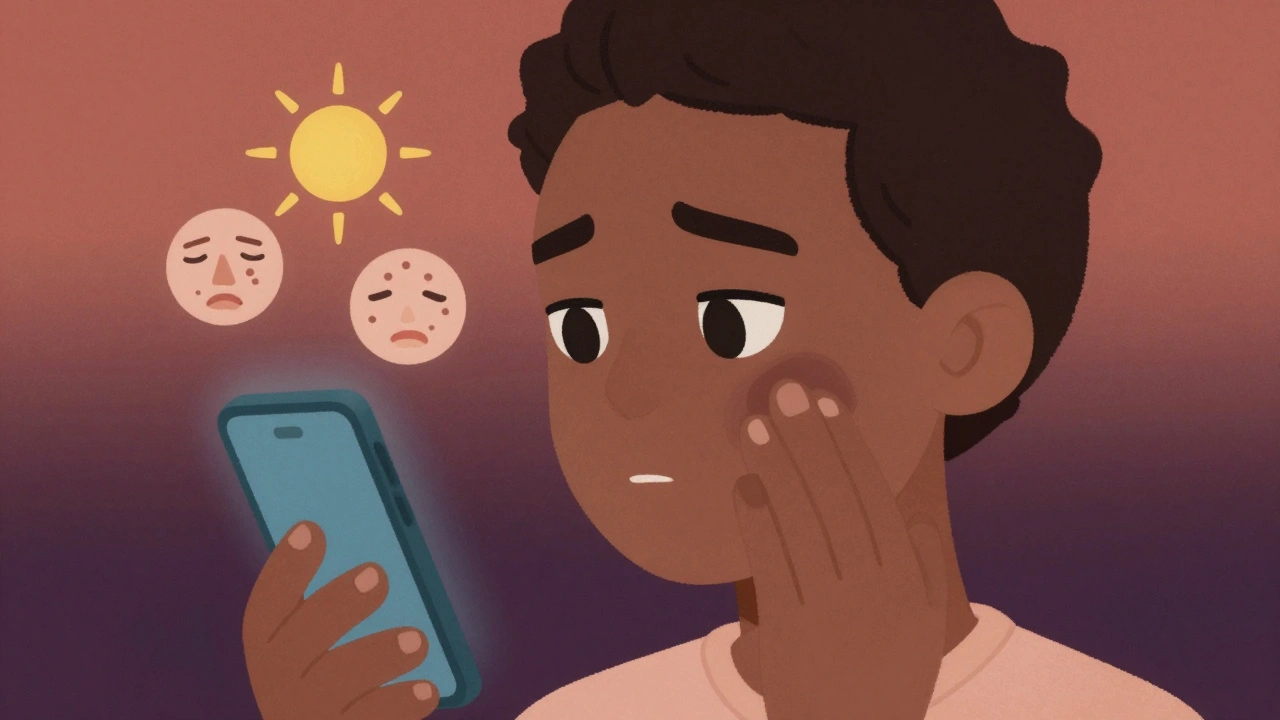
When your skin heals after an injury, it sometimes overdoes it — producing too much collagen and forming a raised, thick scar that keeps growing past the original wound. That’s a keloid, an abnormal type of scar that extends beyond the boundaries of the original injury and doesn’t stop growing on its own. Also known as keloid scar, it’s not cancerous, but it can be painful, itchy, and emotionally unsettling — especially when it shows up on your chest, shoulders, or earlobes. Unlike hypertrophic scars, thick scars that stay within the wound’s original edges and often improve over time, keloids keep expanding, sometimes for months or even years. They’re more common in people with darker skin tones, particularly those of African, Asian, or Hispanic descent, and tend to run in families.
Keloids don’t just happen from major cuts. Even small triggers like acne, piercings, chickenpox scars, or minor scratches can set them off. That’s why someone might wake up one day with a large, firm bump on their ear after getting a piercing they thought was harmless. The body’s healing response goes into overdrive, and the collagen fibers don’t organize properly — they just pile up in a chaotic, dense mass. While silicone gel, a first-line treatment that flattens and softens keloids by keeping the area hydrated and reducing collagen production is often recommended, it’s not a cure. Same with corticosteroid injections, which shrink keloids by reducing inflammation and breaking down excess collagen. These work for many, but results vary. Some people need multiple rounds. Others need surgery — but here’s the catch: removing a keloid without additional treatment often makes it come back bigger than before.
There’s no single fix. What works for one person might do nothing for another. That’s why the most effective approach combines treatments — like steroid shots followed by pressure earrings for ear keloids, or laser therapy after silicone use. Radiation after surgical removal has shown promise in preventing recurrence, but it’s not widely used due to long-term risks. The key is early action. The sooner you start treatment after a keloid appears, the better your chances of controlling it. And if you’ve had one before, avoid unnecessary skin trauma — skip tattoos, piercings, or aggressive acne squeezing. Your skin remembers.
What follows are real-world experiences and evidence-backed strategies from people who’ve lived with keloids — from how they managed pain and itching, to what treatments actually delivered results, and which ones were a waste of time and money. You won’t find marketing fluff here. Just what works, what doesn’t, and what to ask your doctor before you spend another dollar.
Hyperpigmentation and keloids are common, persistent skin conditions in people with darker skin tones. Learn what causes them, how to treat them safely, and how to prevent them from worsening over time.