Medication Peaks: Understanding Cmax and How Drug Timing Affects Your Health
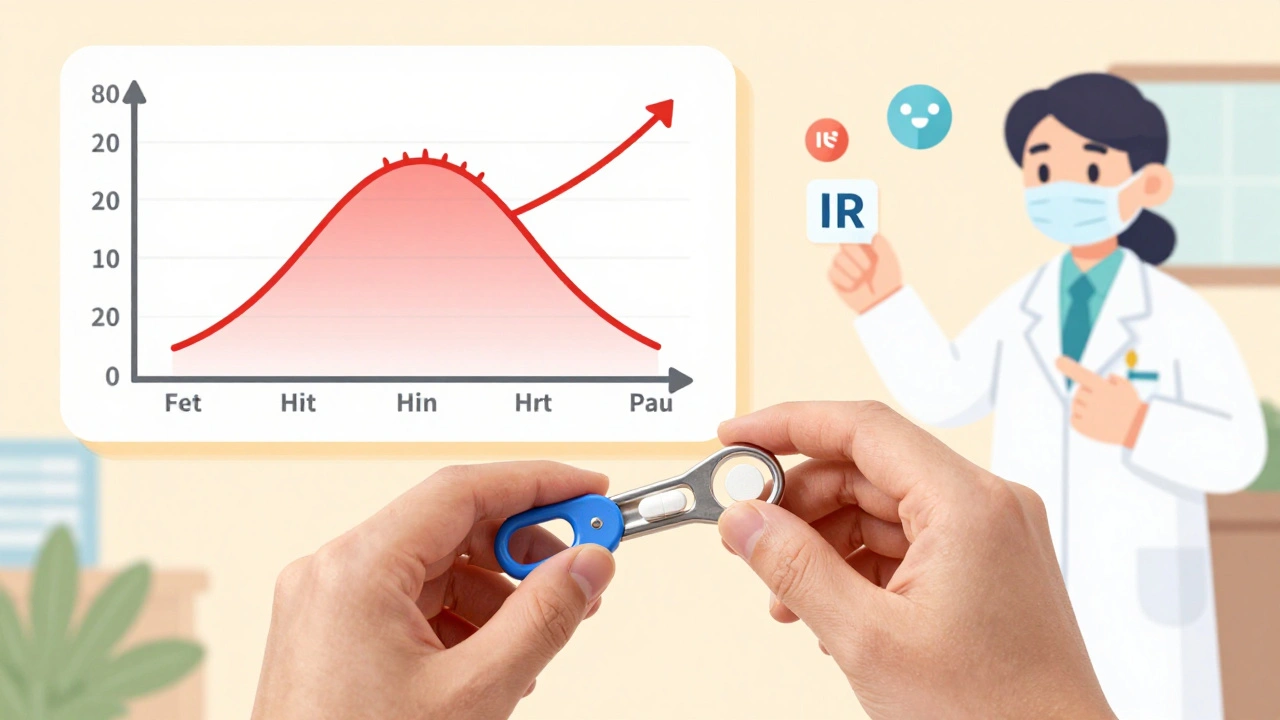
When you take a pill, it doesn’t work instantly. It travels through your body, gets absorbed, and eventually reaches its medication peaks, the highest concentration of a drug in your bloodstream after ingestion. Also known as Cmax, this moment is what decides whether the drug will ease your pain, lower your blood pressure, or fight an infection effectively. If the peak is too low, the drug won’t help. If it’s too high, you risk side effects. It’s not just about how much you take—it’s about when, how, and why it hits your system.
The science behind this is called pharmacokinetics, how your body moves a drug through absorption, distribution, metabolism, and elimination. Two key numbers matter here: Cmax, the maximum concentration of the drug in your blood, and AUC, the total exposure your body gets over time. These aren’t just lab terms—they’re the reason your doctor tells you to take some meds with food and others on an empty stomach. For example, levothyroxine loses effectiveness if taken with coffee or calcium, while NSAIDs like etodolac are easier on your stomach when swallowed with a meal. Even small timing changes can turn a drug from helpful to harmful.
Delayed peaks can mean delayed relief—or worse, dangerous buildup. Some drugs, like opioids or antidepressants, build up slowly and can worsen depression or cause breathing issues if taken too often too fast. Others, like antibiotics or antifungals, need sharp peaks to kill infections before they spread. That’s why medication timing isn’t just a suggestion—it’s part of the treatment. When you take your pills at the wrong time, you’re not just being forgetful; you’re changing how the drug behaves in your body. And when generics are tested for approval, regulators don’t just check if they contain the same chemical. They measure Cmax and AUC to make sure they match the brand-name version exactly. If the peak is off by even 20%, the FDA won’t approve it.
You won’t see Cmax on your prescription label, but you’ll feel its effects. That’s why some people get sick after taking a pill on an empty stomach, while others feel fine. It’s why your pharmacist asks if you eat breakfast before your meds. It’s why skipping a dose or taking two at once can backfire. The goal isn’t just to get the drug into your system—it’s to get it there at the right speed, at the right level, and at the right time. Below, you’ll find real-world guides on how to time your meds, avoid interactions, understand generics, and spot dangerous delays—all built around the science of how your body handles drugs at their peak.
Splitting medication doses can reduce side effects by lowering peak blood levels, but only for certain drugs. Learn which medications are safe to split, the risks of tablet splitting, and how to do it safely with expert guidance.