Nerve Damage: Causes, Signs, and How Medications Can Help or Hurt
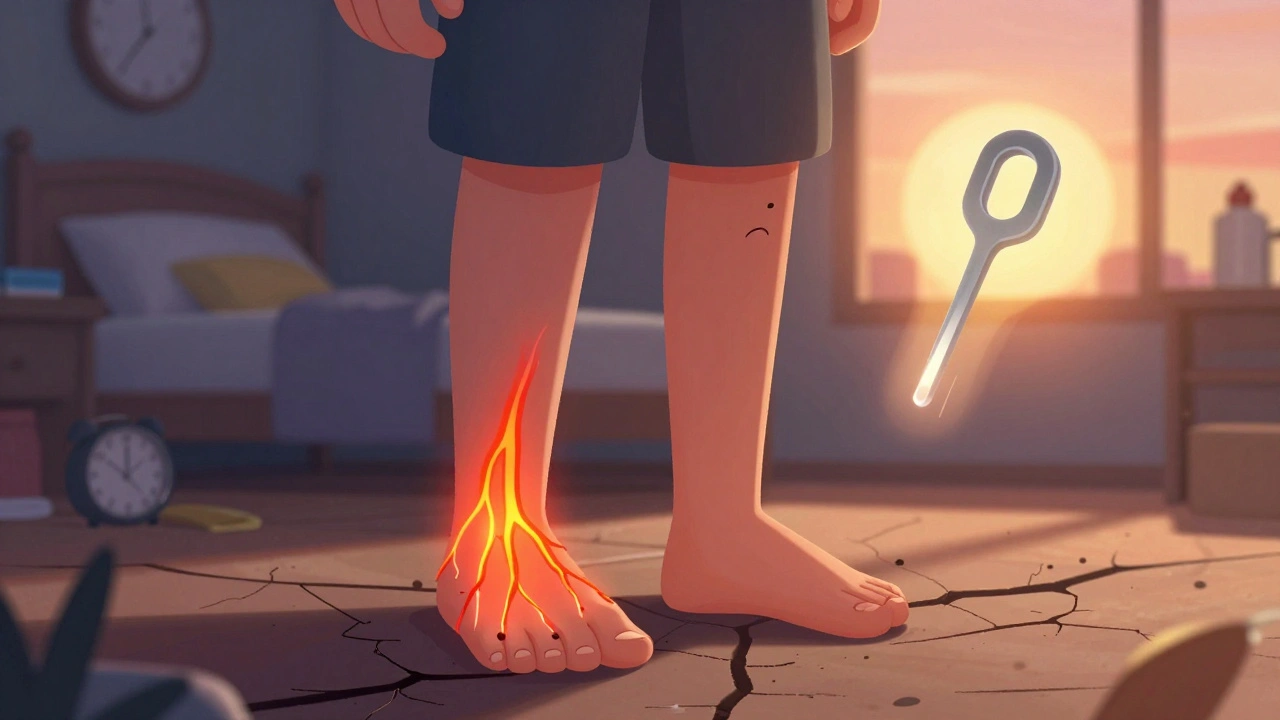
When your nerve damage, injury or dysfunction of the peripheral nerves that send signals between the brain, spinal cord, and the rest of the body. Also known as peripheral neuropathy, it often shows up as tingling, burning, or numbness in your hands or feet. It’s not just a side effect you ignore—it’s a warning your body is sending. Nerve damage doesn’t always come from accidents. Sometimes, it’s quietly caused by the very drugs meant to treat other conditions.
Medications like chemotherapy drugs, certain antibiotics, and even long-term use of painkillers can trigger drug-induced nerve injury, damage to nerves caused by pharmaceuticals, often leading to numbness, weakness, or chronic pain. For example, rifampin and some antiviral drugs are known to interfere with nerve function, sometimes after weeks or months of use. If you’re on long-term meds and start feeling like your toes are asleep or your fingers are clumsy, it’s not just aging—it could be your nerves reacting. And while diabetic neuropathy, nerve damage caused by high blood sugar over time, often affecting feet and legs. is the most common cause, drug-related nerve damage is rising, especially in older adults taking multiple prescriptions.
What makes nerve damage tricky is how slow it creeps in. You might brush off the tingling as poor circulation. But if it’s from a medication, stopping or adjusting the dose early can stop it from getting worse. Some people find relief with supplements like alpha-lipoic acid or B vitamins, but those don’t fix the root problem if the drug is still doing harm. The key is recognizing the pattern: Did the symptoms start after a new prescription? Did they get worse when you increased the dose? Your pharmacist can help you spot these red flags—especially when you’re on drugs that affect liver enzymes or immune response.
And it’s not just about stopping bad drugs. Some treatments, like certain NSAIDs or antidepressants, can actually help manage the pain from nerve damage—without making the damage itself worse. Etodolac, for instance, reduces inflammation that can press on nerves, while some antidepressants work directly on nerve pain signals. But timing matters. Taking meds at the wrong time, splitting doses incorrectly, or mixing them with other drugs can turn a helpful treatment into a risk. That’s why understanding how your pills interact—like how sodium intake lowers blood pressure meds or how rifampin changes how other drugs are processed—isn’t just helpful, it’s necessary.
You’re not alone if you’ve been told your nerve pain is "just part of getting older." But it doesn’t have to be. Whether it’s from diabetes, a medication side effect, or something else, nerve damage can be managed better than most people think. The posts below break down exactly how different drugs can cause or ease nerve damage, what signs to watch for, and how to talk to your doctor before it’s too late. You’ll find real advice on spotting hidden risks, adjusting your meds safely, and protecting your nerves before they stop working right.
Peripheral neuropathy causes pain, numbness, and balance issues due to nerve damage. Common causes include diabetes, chemotherapy, and vitamin B12 deficiency. Effective treatments include medications like pregabalin, physical therapy, and blood sugar control. Early intervention improves outcomes.