Peripheral Neuropathy: Causes, Treatments, and Medication Risks
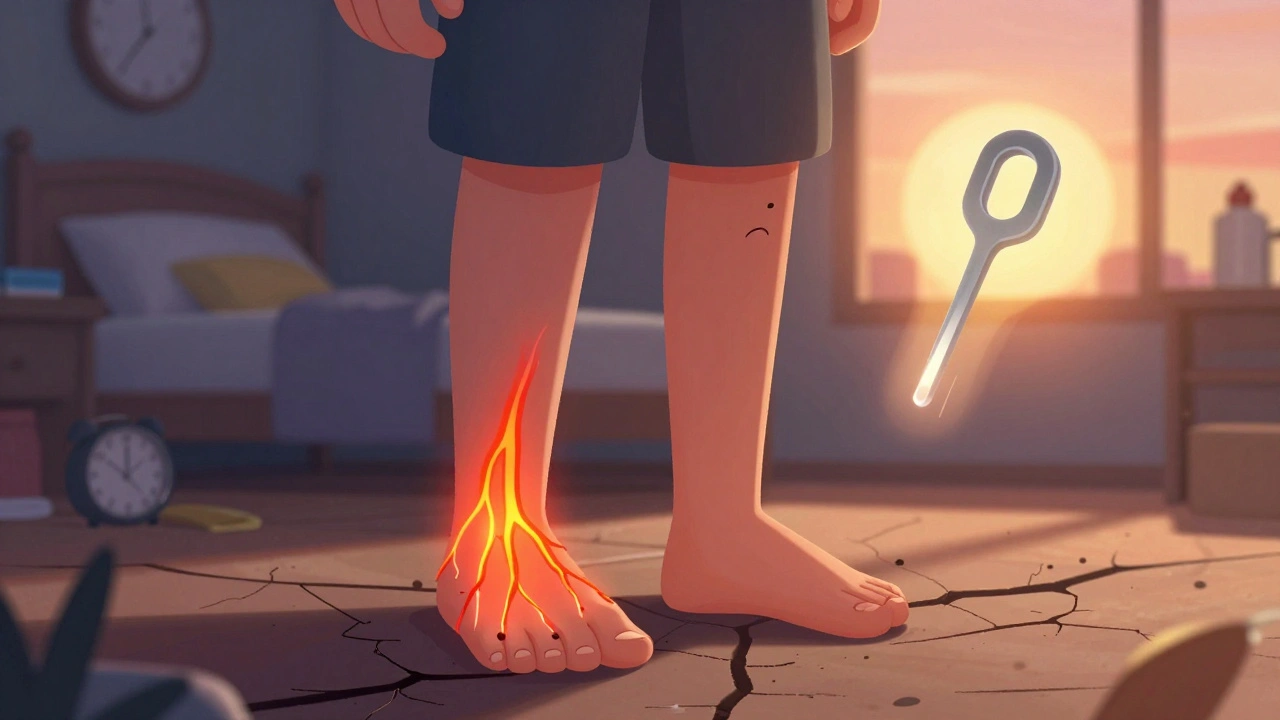
When your hands or feet feel like they’re wrapped in numb fabric, or you get sharp pains out of nowhere, you might be dealing with peripheral neuropathy, damage to the nerves outside the brain and spinal cord that control sensation and movement. Also known as nerve damage, it’s not a disease itself—it’s a symptom, often caused by diabetes, chemotherapy, or even common medications. This isn’t just tingling you can ignore. Left untreated, it can lead to loss of balance, foot ulcers, or even amputation in severe cases.
One of the biggest hidden causes? medication side effects, damage caused by drugs meant to treat other conditions. Chemo drugs like vincristine, antibiotics like metronidazole, and even some blood pressure pills can slowly fry your nerves over time. And if you’re diabetic, high blood sugar is already attacking your nerves—add a medication that does the same, and you’re doubling down on damage. It’s not rare. Studies show over 30% of people on long-term chemo develop some level of neuropathy, and diabetics are five times more likely to have it than the general population.
But here’s the thing: not all nerve damage is permanent. diabetic neuropathy, a specific type caused by prolonged high blood sugar. can stabilize—or even improve—if you get your glucose under control fast. Other forms respond to stopping the offending drug, physical therapy, or even simple supplements like alpha-lipoic acid. The problem? Most people don’t connect their numb toes to their pill bottle. They blame aging, stress, or bad shoes. Meanwhile, the real trigger keeps ticking.
What you’ll find in the posts below isn’t theory. It’s real-world data from people who’ve been there. You’ll see how peripheral neuropathy shows up differently in men with diabetes versus those on cancer treatment. You’ll learn which meds are most likely to cause it, how to spot early warning signs before it’s too late, and what actually helps—whether it’s timing your pills right, switching drugs, or using non-drug tools like nerve stimulation. No fluff. No guesswork. Just what works, what doesn’t, and what your doctor might not tell you unless you ask.
Peripheral neuropathy causes pain, numbness, and balance issues due to nerve damage. Common causes include diabetes, chemotherapy, and vitamin B12 deficiency. Effective treatments include medications like pregabalin, physical therapy, and blood sugar control. Early intervention improves outcomes.