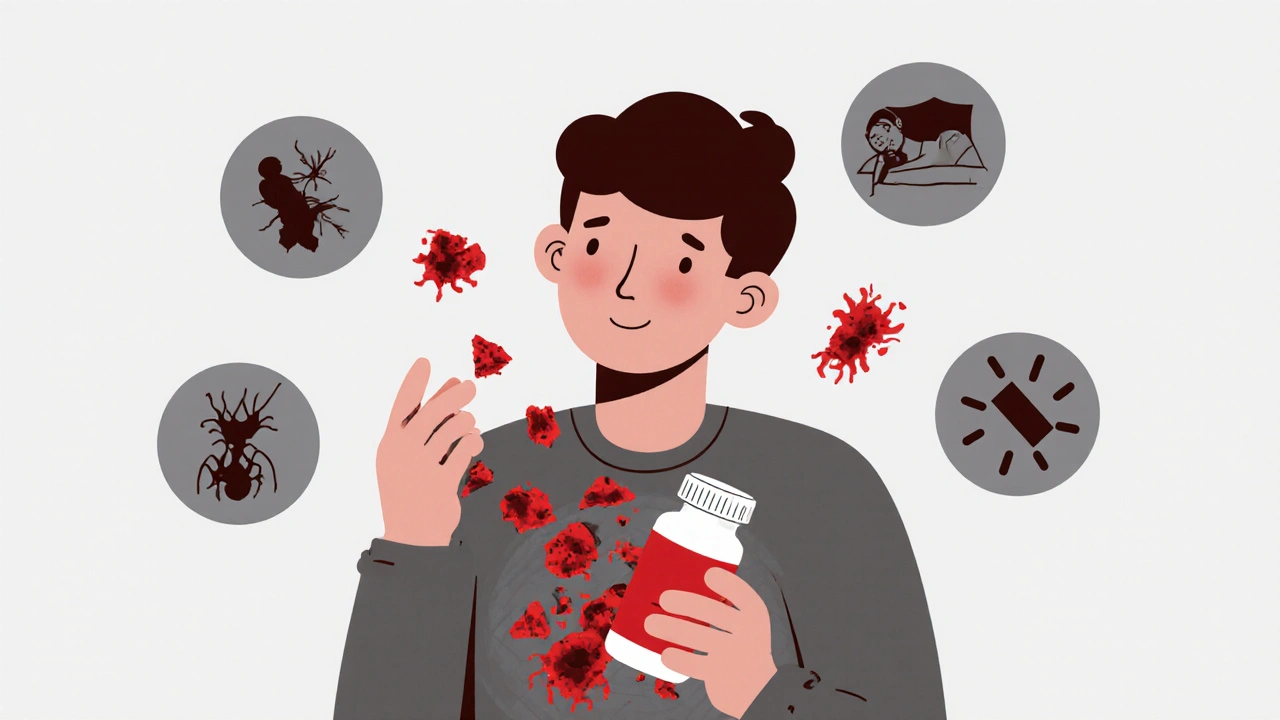
Early Signs of Drug Reactions and Health Issues You Can't Ignore
When your body reacts to a medication, the early signs, subtle changes that appear before a full-blown reaction develops are often easy to miss. These aren’t just random symptoms—they’re your body’s way of saying something’s off. A rash that comes and goes, a sudden change in mood, unexplained fatigue, or even a strange taste in your mouth could be the first signal of a drug reaction, an immune or physiological response to a medication that’s not intended. Ignoring them doesn’t make them go away—it just gives them time to get worse.
Some medication side effects, expected, common reactions that often occur at normal doses are well known—like nausea from antibiotics or drowsiness from antihistamines. But the dangerous ones? Those are the ones that sneak up. warning signs, specific symptoms that point to a serious, potentially life-threatening reaction like Stevens-Johnson Syndrome or DRESS syndrome don’t appear overnight. They start small: a red spot on your chest, a sore throat that won’t heal, or swelling under your jaw. These aren’t allergies in the classic sense—they’re delayed, complex immune responses that can turn deadly if you wait too long to act.
You might think, "I’ve taken this before, so it’s fine." But reactions can show up after months or even years of use. That’s why tracking changes matters more than ever. A study from the FDA found that over 60% of severe drug reactions were missed in initial visits because the symptoms were dismissed as unrelated. If you’re on long-term meds—like prednisone, antidepressants, or immunosuppressants—your body is constantly adapting. A new headache, sudden weight gain, or trouble sleeping might not seem like a big deal. But when they show up together with other changes, they’re part of a pattern.
It’s not just about recognizing symptoms—it’s about knowing what to do next. Don’t wait for a rash to spread. Don’t assume your doctor will notice a change you didn’t mention. Write down what’s different: when it started, how bad it is, and if anything makes it better or worse. That info could be the difference between a quick fix and a hospital visit. The posts below cover real cases where people caught these signs early—and how they acted on them. From how clotrimazole lozenges can trigger oral thrush in some, to why delayed reactions to antibiotics might look like a cold for weeks, these aren’t theoretical discussions. They’re lived experiences with clear takeaways.
Knowing the early signs doesn’t mean you need to panic every time you feel off. It means you stop ignoring the quiet signals your body sends. You start asking better questions. You demand clearer answers from your pharmacist. You track your own health like it matters—because it does. What follows isn’t a list of scary stories. It’s a practical guide to spotting trouble before it escalates, backed by real data and real people who got it right when it counted.
Medication-induced aplastic anemia is a rare but deadly side effect of certain drugs. Learn the early warning signs, which medications are most dangerous, and what urgent actions to take before it's too late.