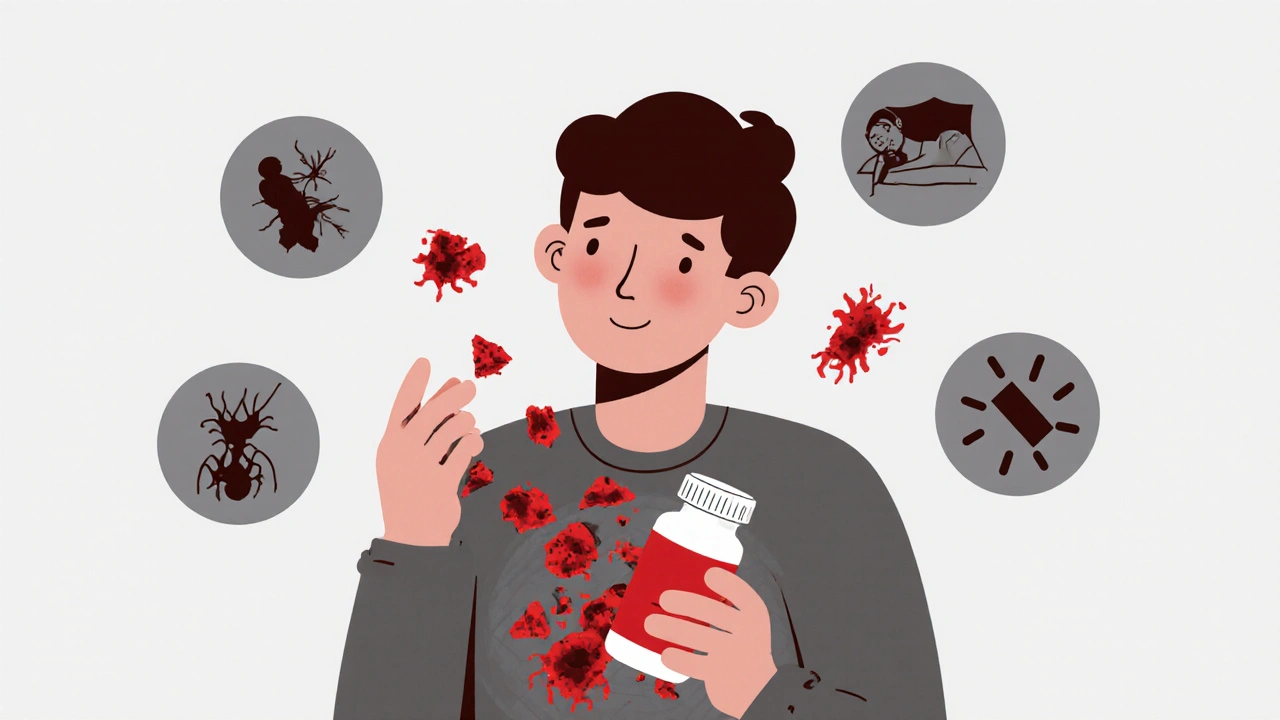
Urgent Medical Action: When Medication Risks Demand Immediate Care
When a urgent medical action, a sudden, critical response needed to prevent death or permanent harm from a drug reaction becomes necessary, waiting even an hour can change everything. These aren’t the mild rashes or upset stomachs you might brush off—they’re reactions that tear through skin, shut down organs, or trigger systems your body can’t control. Think of Stevens-Johnson Syndrome, a severe immune reaction to medications that causes painful blistering of the skin and mucous membranes or toxic epidermal necrolysis, an even more extreme form where large sections of skin detach. Both can start with what looks like a common cold or flu, then spiral in days. And they’re not rare outliers—they happen to people taking common drugs like antibiotics, anti-seizure meds, or even over-the-counter painkillers.
What makes these reactions so dangerous is how they hide. You might take a new medication and feel fine for a week. Then, out of nowhere, your eyes burn, your lips swell, or your skin starts peeling. That’s not a coincidence—it’s a delayed drug reaction, a type of adverse response that appears days or weeks after taking a drug, often when you least expect it. These aren’t listed on the label as "common side effects" because they’re unpredictable. But they’re real, and they’re deadly. If you’ve ever been told, "It’s probably just a rash," but it keeps spreading, or you’re having trouble swallowing, or your mouth is covered in sores—that’s not "probably." That’s a red flag screaming for emergency care. And it’s not just skin. Some reactions attack your liver, your kidneys, or your blood cells without warning. The key isn’t avoiding all meds—it’s knowing which symptoms mean "call 911" instead of "wait and see."
These aren’t theoretical risks. Real people, everyday users of common prescriptions, end up in ICUs because they didn’t recognize the signs. And it’s not just about the drug itself—it’s about your body’s unique response. Genetic differences, existing conditions, or mixing meds can turn a safe treatment into a crisis. That’s why checking for recalls, knowing your lot numbers, and understanding how drugs interact with your immune system isn’t just smart—it’s survival. Below, you’ll find real cases, clear warning signs, and exactly what to do when your body says something’s terribly wrong. No fluff. No guesswork. Just what you need to act fast when seconds count.
Medication-induced aplastic anemia is a rare but deadly side effect of certain drugs. Learn the early warning signs, which medications are most dangerous, and what urgent actions to take before it's too late.