Drug Side Effects: What You Need to Know About Risks and How to Stay Safe
When you take a drug side effect, an unintended and often harmful reaction to a medication. Also known as adverse drug reaction, it’s not a bug—it’s a feature of how drugs interact with your body. Every pill, injection, or patch you use comes with a hidden cost: your body’s response. Some side effects are common and mild, like a dry mouth or drowsiness. Others? They can hit hard and slow—rashes that spread, organs that fail, or moods that crash. You don’t need to be a scientist to understand them. You just need to know what to watch for.
Not all side effects show up right away. Some, like delayed drug reactions, harmful responses that appear days or weeks after taking a medication, sneak in when you’ve stopped worrying. Think of Stevens-Johnson Syndrome—a rare but deadly skin reaction triggered by antibiotics or anti-seizure meds. Or DRESS syndrome, where your body turns on itself, causing fever, swelling, and organ damage. These aren’t rare flukes. They’re documented, preventable, and often missed because people assume side effects mean nausea or headaches. They don’t. They mean anything that feels wrong after you start a new drug.
Then there are the predictable ones—the prednisone side effects, well-known risks from corticosteroids like weight gain, mood swings, and bone thinning. These aren’t surprises. Doctors know them. But patients? They’re told to take it for "a few weeks" and assume it’s harmless. It’s not. Long-term use changes your metabolism, weakens your immune system, and can leave you more vulnerable to infections than you were before. And it’s not just steroids. Antibiotics like tetracycline can make your skin burn in sunlight. Diabetes drugs like sitagliptin might help your blood sugar but quietly improve your sexual health. Side effects aren’t just bad things—they’re clues. They tell you how the drug is working, where it’s hitting, and whether it’s safe for you.
You don’t have to guess. You don’t have to suffer in silence. The key is knowing what to track: new rashes, sudden mood drops, unexplained fatigue, swelling, or changes in how you feel after meals or sleep. Write it down. Show it to your pharmacist. Ask: "Is this normal?" or "Could this be from the new pill?" Most side effects are manageable—if you catch them early. And if you’re on multiple meds? Interactions can turn harmless drugs into dangerous ones. ACE inhibitors with potassium pills? That’s a recipe for high potassium levels. Prednisone with vaccines? Timing matters. Your body doesn’t handle drugs in isolation. It handles them as a system.
Below, you’ll find real, practical guides written by people who’ve been there—patients, caregivers, pharmacists. They break down exactly what to expect from common drugs, how to spot the red flags, and what steps to take before it’s too late. No fluff. No jargon. Just what you need to stay safe while taking the meds you need.
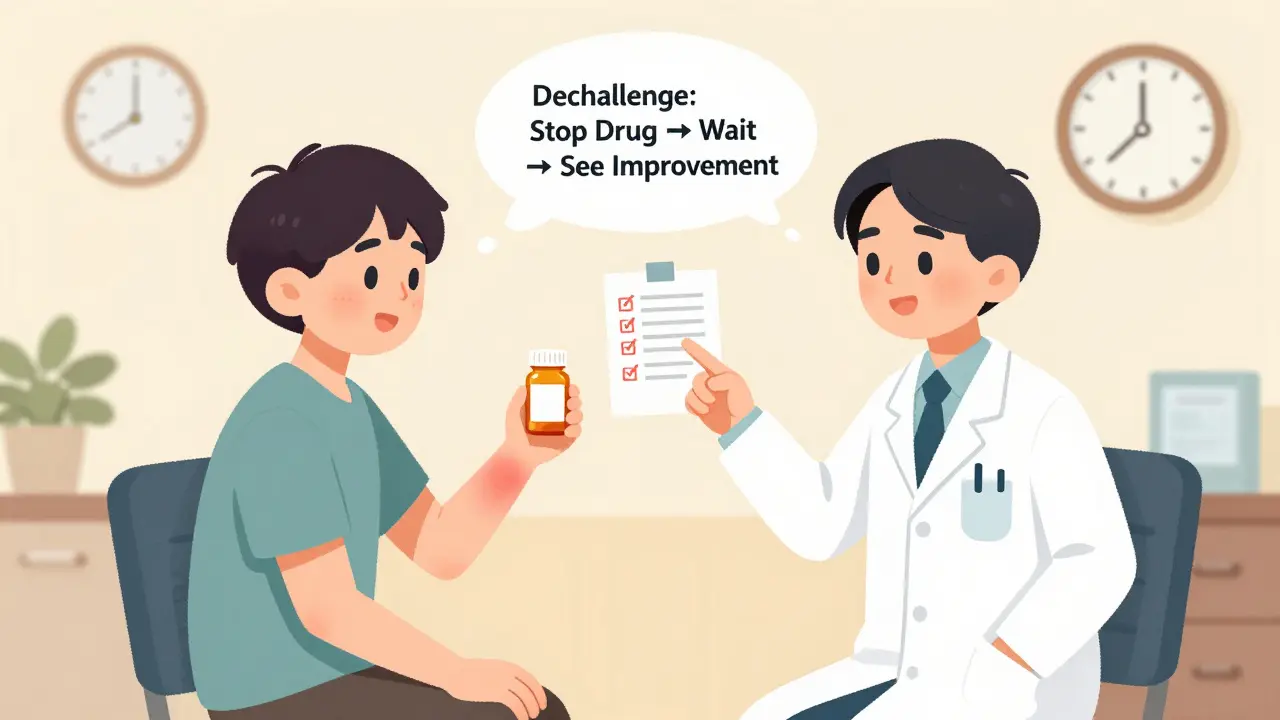
Dechallenge and rechallenge are clinical methods used to determine if a drug caused a side effect. Stopping the drug to see if symptoms improve is dechallenge; restarting it to see if the reaction returns is rechallenge. These steps help doctors confirm causality and prevent future harm.
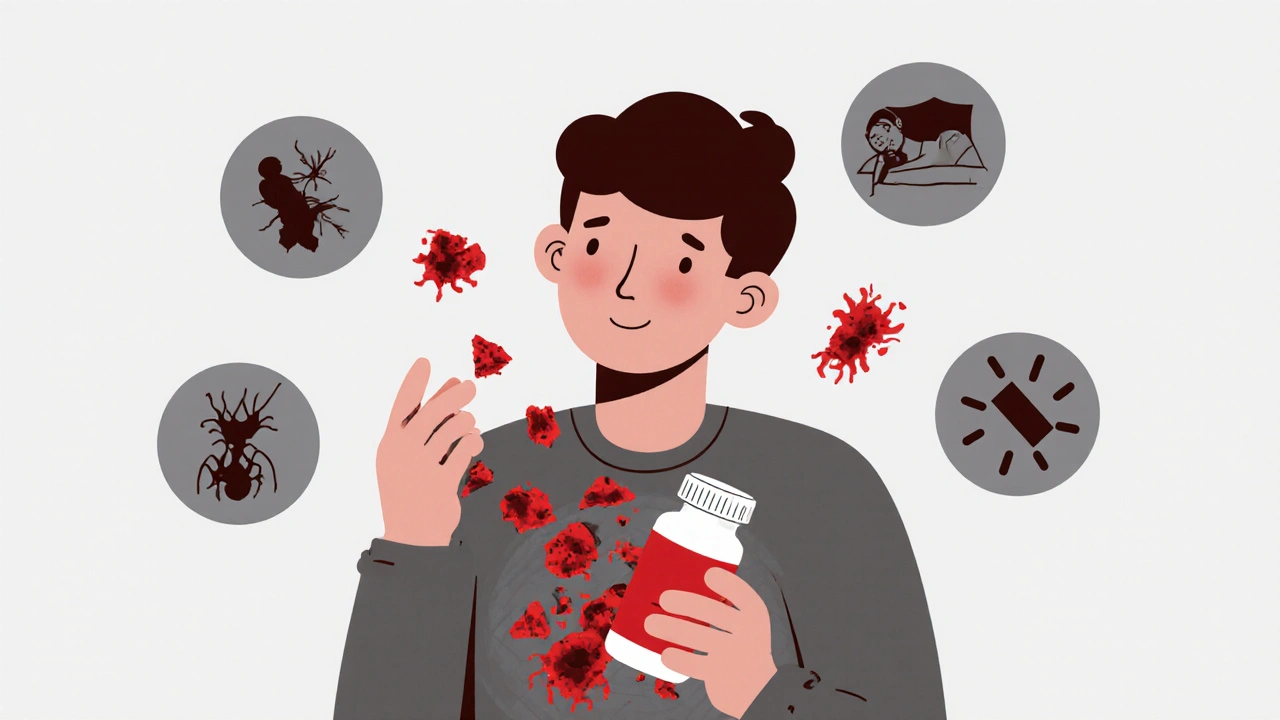
Medication-induced aplastic anemia is a rare but deadly side effect of certain drugs. Learn the early warning signs, which medications are most dangerous, and what urgent actions to take before it's too late.