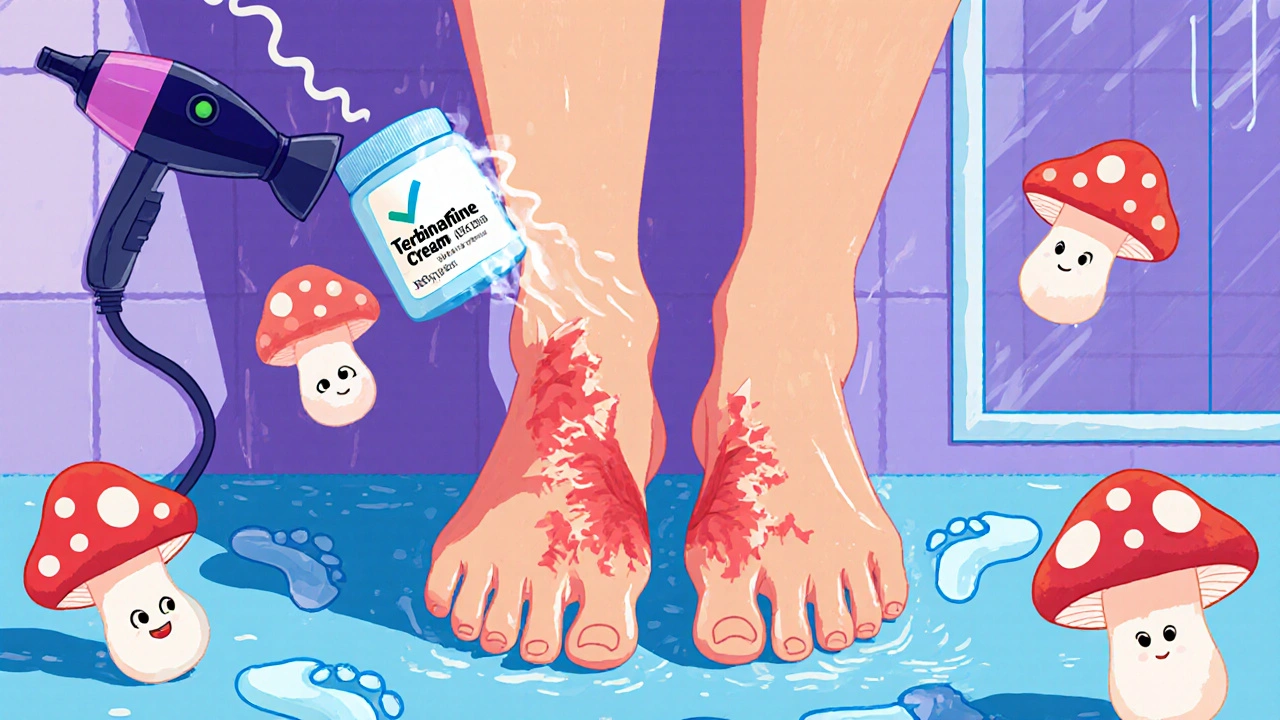
OTC Antifungal: What Works, What to Avoid, and How to Use Them Right
When you’re dealing with a stubborn itch, redness, or white patches in your mouth, OTC antifungal, over-the-counter medications designed to kill or slow down fungal growth without a prescription. Also known as non-prescription antifungals, these products are often the first line of defense against common fungal infections like athlete’s foot, jock itch, and vaginal yeast infections. But not all OTC antifungals are created equal—and using the wrong one, or using it the wrong way, can make things worse.
Most OTC antifungals fall into two main types: topical creams, sprays, or powders for skin, and lozenges or oral rinses for mouth infections. Clotrimazole, a common active ingredient in creams and lozenges, works by breaking down the cell walls of fungi. It’s the go-to for athlete’s foot and oral thrush, especially in people with diabetes or those on antibiotics. Another key player is miconazole, often found in vaginal suppositories and creams, effective against Candida overgrowth. But these aren’t magic bullets. Fungal infections return if you stop treatment too early—even if the itching stops. Most require 7 to 14 days of consistent use.
Here’s the catch: many people use OTC antifungals for rashes that aren’t fungal at all. Eczema, psoriasis, or bacterial infections can look similar, but antifungals won’t touch them. That’s why you need to know your symptoms. A red, scaly patch with clear edges? Likely fungal. A dry, flaky patch that itches but doesn’t spread? Probably not. And if you’re treating oral thrush with lozenges, make sure you’re letting them dissolve slowly in your mouth—chewing them defeats the purpose.
Some products claim to be "natural" or "herbal" antifungals, but they’re not regulated the same way. Tea tree oil, coconut oil, or garlic supplements might sound safe, but there’s little proof they work as well as FDA-approved antifungals—and they can irritate skin or interact with other meds. Stick to what’s been tested.
And don’t ignore the basics. Fungi thrive in warm, moist places. Wearing damp socks, sharing towels, or skipping showers after the gym all increase your risk. OTC antifungals help treat the infection, but hygiene stops it from coming back.
What you’ll find below are real, practical guides on how these products work, what they’re used for, and how to avoid common mistakes. From using clotrimazole lozenges for oral thrush to knowing when a fungal infection needs a doctor, not a drugstore aisle, these posts cut through the noise. No fluff. Just what you need to treat it right—and keep it from coming back.
Learn how to safely and effectively use OTC athlete's foot treatments like terbinafine, clotrimazole, and tolnaftate. Get expert-backed tips on application, prevention, and when to see a doctor.