Avoid Side Effects: How to Stay Safe While Taking Medications
When you take a medication, you want it to work—not to make you feel worse. avoid side effects, the practice of minimizing unwanted reactions from drugs while still getting their benefits. Also known as reducing adverse drug reactions, it’s not about avoiding medicine altogether—it’s about taking it smarter. Too many people assume side effects are just part of the deal. But that’s not true. Many side effects can be prevented, reduced, or even avoided entirely with the right approach.
One of the biggest mistakes is taking meds the same way every day, no matter what. dose splitting, the practice of dividing a single daily dose into smaller doses taken at different times. Also known as fractionated dosing, it’s a proven trick for lowering peak blood levels that cause nausea, dizziness, or headaches. Not all pills can be split, but for those that can—like certain antidepressants or blood pressure meds—it cuts side effects by up to 40%. Then there’s pharmacokinetics, how your body absorbs, moves, and breaks down a drug over time. Also known as drug movement in the body, it’s the science behind why some meds need food and others don’t. Take levothyroxine on an empty stomach. Take NSAIDs with food. Get this wrong, and you’re not just wasting the drug—you’re inviting trouble.
Side effects don’t always show up right away. Some kick in after days or weeks—like skin rashes from antibiotics, mood changes from opioids, or liver damage from long-term painkillers. That’s why drug safety, the ongoing process of monitoring how medications affect your body over time. Also known as medication vigilance, it’s not just your doctor’s job—it’s yours too. Track how you feel. Note when symptoms start. Tell your pharmacist if something feels off. You’re not being annoying—you’re helping prevent a rare but deadly reaction like Stevens-Johnson Syndrome or aplastic anemia. And don’t ignore labels. If your pill says "take with water, not grapefruit juice," that’s not a suggestion. Grapefruit can turn a safe dose into a toxic one.
Generic drugs aren’t cheaper because they’re weaker—they’re cheaper because they don’t have marketing costs. But they still have to meet the same FDA standards for bioequivalence, how closely a generic matches the brand-name drug in how it’s absorbed and works in the body. Also known as drug performance equivalence, it’s the reason your $4 generic works just like the $40 brand. Still, if you switch brands and suddenly feel different, speak up. Your body might react to fillers or coatings, even if the active ingredient is identical.
What you’ll find here isn’t theory. These are real stories from people who learned the hard way—and then found ways out. You’ll see how splitting a daily dose of antidepressants stopped their insomnia. How checking a lot number kept someone from using a recalled blood pressure med. How wearing UPF clothing saved a man from a severe sun reaction after starting a new antibiotic. These aren’t edge cases. They’re everyday solutions for people who refused to accept side effects as normal.
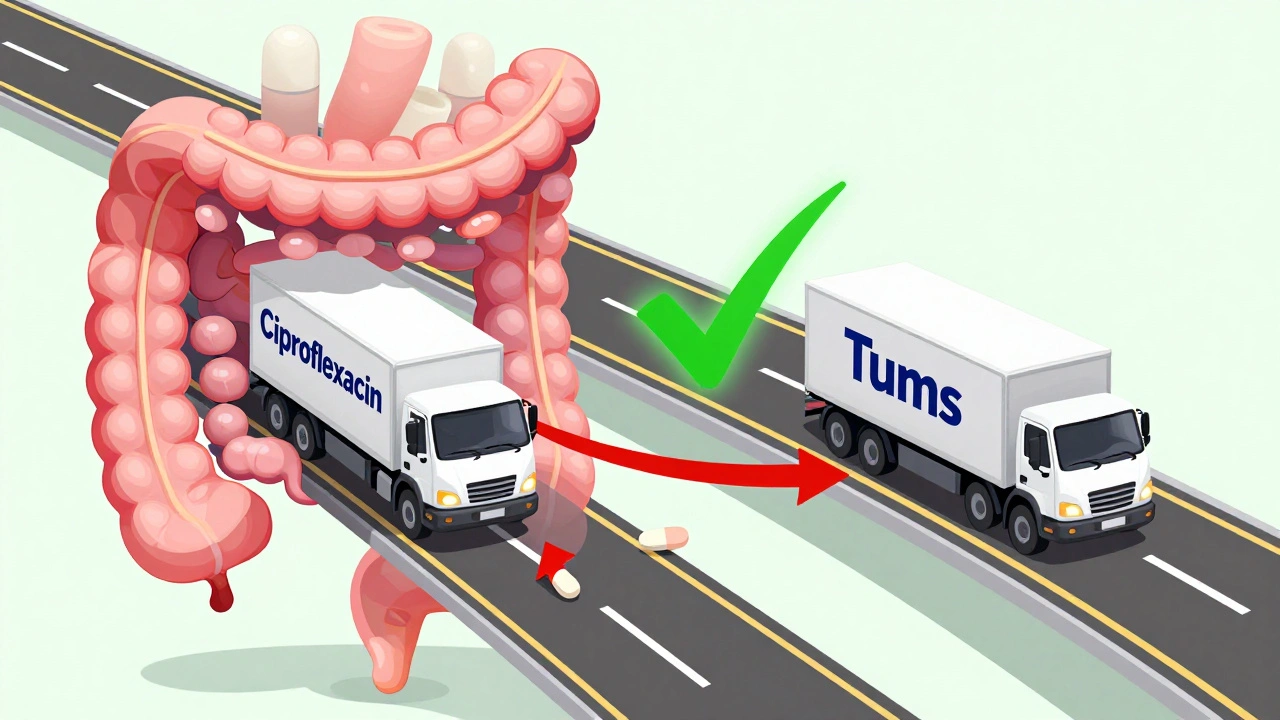
Learn how to space out your medications to avoid dangerous interactions, improve absorption, and prevent side effects. Simple timing changes can make your drugs work better - without switching prescriptions.