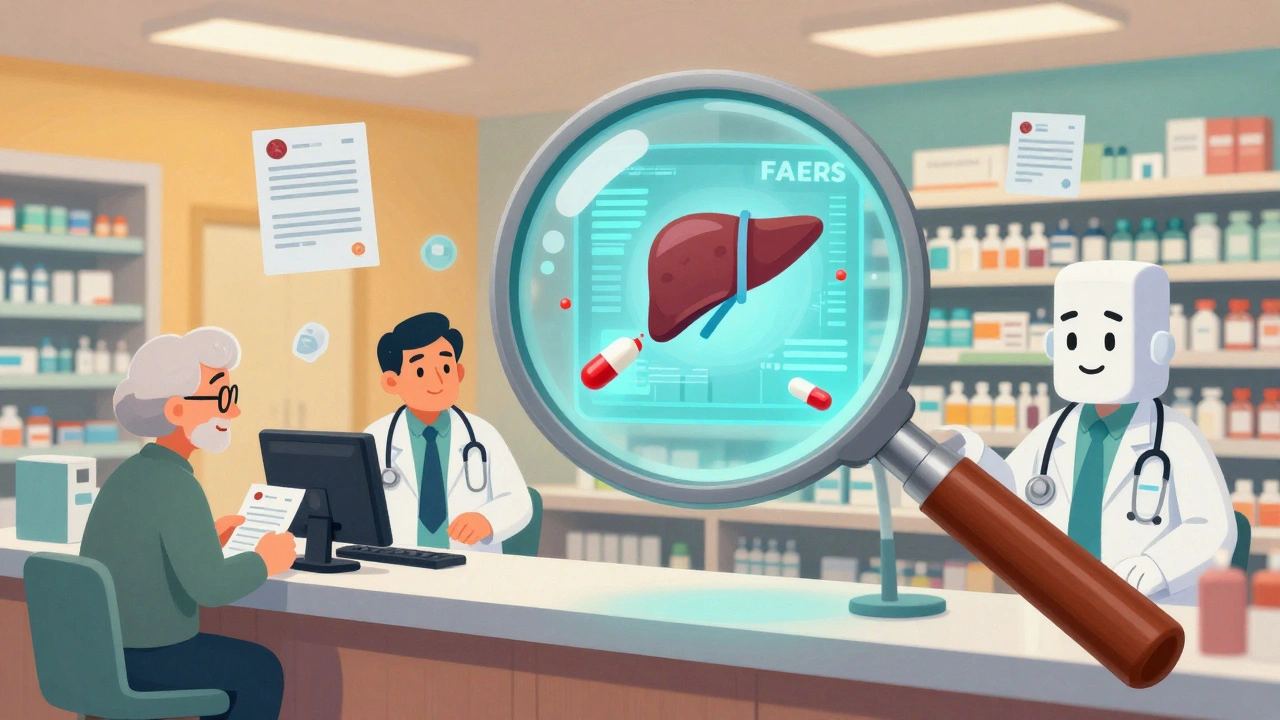
FDA Adverse Event Reporting System: What It Is and How It Keeps You Safe
When you take a medication and feel something off—like a rash, dizziness, or trouble breathing—you’re not alone. The FDA Adverse Event Reporting System, a public database where patients and doctors report harmful side effects from drugs and medical products. Also known as FAERS, it’s the backbone of how the U.S. government spots dangerous drugs after they’re already on the market. This isn’t just paperwork. It’s a real-time early warning system that’s saved lives by flagging hidden risks in medicines that passed clinical trials but caused harm in real-world use.
Behind every report in this system is a person who noticed something wrong. Maybe it was a sudden drop in blood cell counts after starting a new antibiotic, or a strange skin reaction after using a common painkiller. These reports get collected, analyzed, and matched against patterns. When enough people report the same issue, the FDA investigates. That’s how dangerous drugs like Vioxx or certain diabetes pills got pulled from shelves. It’s also how they learned that some antibiotics can cause rare but deadly skin reactions like Stevens-Johnson Syndrome. The system doesn’t just track side effects—it connects the dots between symptoms, drugs, and patient groups to find what’s truly risky.
It’s not just about the drugs themselves. The post-market surveillance, the ongoing monitoring of medications after they’re approved for sale. is what keeps the system alive. Clinical trials only involve a few thousand people for a few months. Real life involves millions taking drugs for years, mixing them with other meds, or using them with other health conditions. That’s where things go wrong—and where the FDA Adverse Event Reporting System catches it. The medication side effects, unintended and harmful reactions to drugs that aren’t listed as common. you report? They help doctors know what to watch for. They help manufacturers improve warnings. And they help regulators decide if a drug needs stronger labels, restrictions, or removal.
What you’ll find in the articles below isn’t just theory. It’s real cases: how rifampin can mess with birth control, why splitting doses helps reduce side effects, how generic drugs are monitored for safety, and why delayed reactions like DRESS syndrome can show up weeks after you start a new pill. These aren’t abstract concepts—they’re the kind of stories that get reported to the FDA Adverse Event Reporting System. And if you’ve ever been confused about your meds, worried about a reaction, or wondered if your symptoms were drug-related, you’re part of this system too. Your experience matters. The next report could be yours.
The FDA uses real-time data, inspections, and reporting systems to monitor generic drug safety after approval. Learn how FAERS, Sentinel, and manufacturing checks protect patients from hidden risks.