FDA Generic Drug Safety: What You Need to Know About Generic Medications
When you pick up a FDA generic drug safety, the set of standards and testing procedures the U.S. Food and Drug Administration uses to ensure generic medications are as safe and effective as their brand-name counterparts. Also known as generic medication approval, it’s the system that lets millions of Americans save money without sacrificing quality. Most people assume generics are just cheap copies—but that’s not true. The FDA requires them to have the same active ingredient, strength, dosage form, and route of administration as the brand-name version. They’re not alternatives—they’re identical in how they work in your body.
But here’s what most don’t know: safety doesn’t end at approval. The real test is in the details. Two key metrics—Cmax, the highest concentration of a drug in the bloodstream after dosing and AUC, the total amount of drug your body is exposed to over time—must match the brand within strict limits. If they don’t, the generic won’t pass. That’s why a pill made in India or Ohio can still be just as reliable as the original. But it also means you can’t assume every cheap online version is FDA-approved. Some sellers bypass the system entirely, selling unregulated products that look like generics but aren’t.
That’s where drug safety, the ongoing monitoring of how medications affect people after they’re on the market comes in. The FDA tracks reports of side effects, recalls, and manufacturing issues. If a generic causes unexpected reactions—like the rare but serious skin reactions linked to certain drugs—it gets flagged. That’s why checking lot numbers and recalls matters. It’s also why patient-reported outcomes are now part of the system. Your feedback on side effects helps catch problems early.
Some people worry that generics work slower or cause more side effects. But the data doesn’t support that. In fact, studies show generic versions of antidepressants, blood pressure meds, and even cancer drugs perform just as well. The real difference? Cost. And that’s a good thing—unless you’re buying from shady websites. The FDA doesn’t regulate online pharmacies that don’t require prescriptions. That’s where you risk getting fake, expired, or contaminated pills.
So what should you do? Always get your generics from a licensed pharmacy. Ask your pharmacist if the brand and generic are bioequivalent. Check the FDA’s website for recalls. And if you notice a change in how you feel after switching—like more dizziness, nausea, or lack of effect—talk to your doctor. It’s not always the drug. Sometimes it’s the filler, the coating, or how your body reacts to a new formulation.
Generic drugs are one of the biggest wins in modern medicine. They’ve saved the U.S. healthcare system hundreds of billions. But safety isn’t automatic. It’s built into the system—and it’s up to you to use it right. Below, you’ll find real-world guides on how to spot safe generics, understand what’s in your pills, avoid dangerous interactions, and make sure your medication works the way it should.
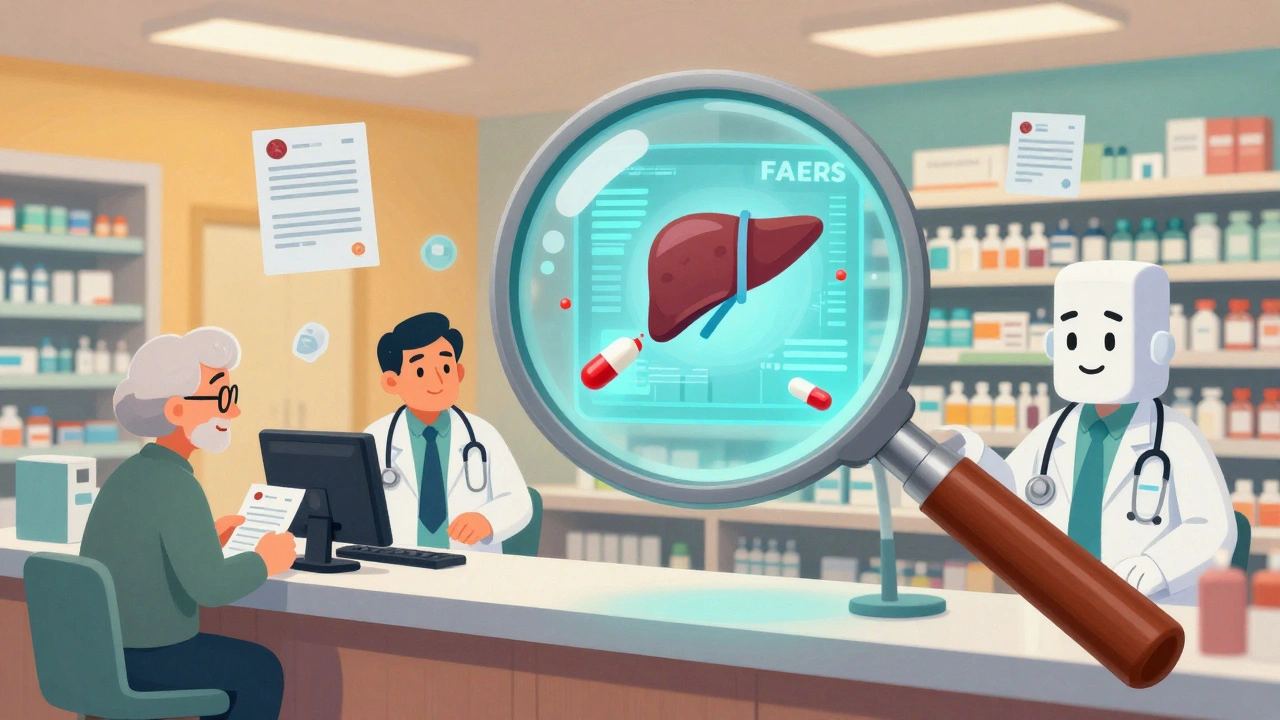
The FDA uses real-time data, inspections, and reporting systems to monitor generic drug safety after approval. Learn how FAERS, Sentinel, and manufacturing checks protect patients from hidden risks.
The FDA ensures generic drug safety through strict bioequivalence standards, mandatory manufacturing inspections, and continuous post-market surveillance. Every generic must match the brand in quality, strength, and performance.