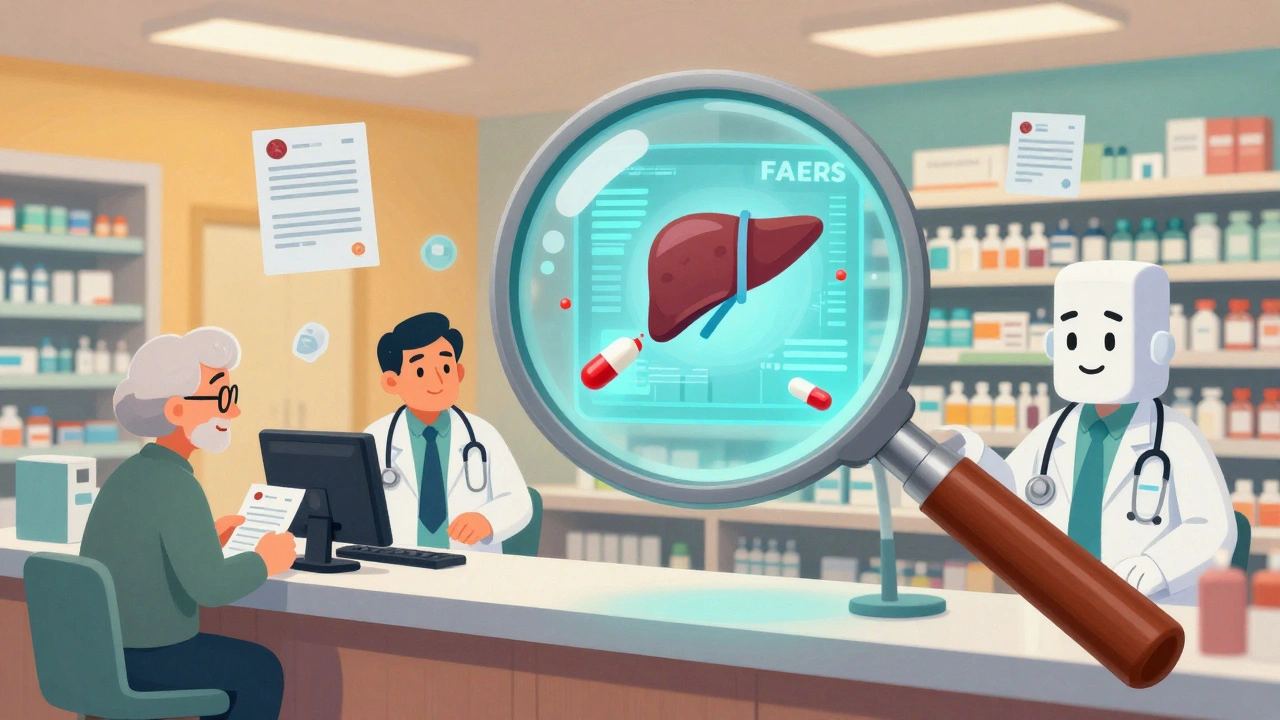
FDA Sentinel Initiative: How the Government Tracks Drug Safety in Real Time
When you take a new medication, you’re trusting that it’s safe—but safety isn’t just proven in clinical trials. The FDA Sentinel Initiative, a nationwide system that monitors drug safety using real-world health data from millions of patients. It’s how the FDA finds hidden risks that only show up after thousands of people start using a drug. This isn’t guesswork. It’s data—hospital records, insurance claims, pharmacy logs—all pulled together to spot patterns no single doctor could see.
Think of it like a national early warning system. If a new blood pressure drug starts showing up in ER visits for kidney failure across five states, Sentinel picks it up fast. It doesn’t wait for a handful of reports. It scans billions of data points to find signals others miss. That’s how it caught the link between certain antibiotics and heart rhythm problems, or how it flagged higher stroke risks with some diabetes meds before most doctors even noticed. The post-market surveillance, the ongoing monitoring of drugs after they’re approved and sold to the public. It’s the quiet backbone of drug safety. And it’s not just about bad reactions. It checks if generics work the same as brand names, if older drugs become riskier in seniors, or if combining two common meds creates a hidden danger.
What you’ll find in these articles isn’t theory. It’s real cases—like how rifampin messes with birth control, how generic substitution can trip up pharmacists, or why splitting a pill might change how your body handles the drug. These aren’t random stories. They’re the exact kind of issues the medication risks, unintended side effects or dangers that emerge after widespread use. They’re the focus of Sentinel’s analysis. The system doesn’t just watch. It acts. When it finds a problem, the FDA updates labels, issues warnings, or pulls drugs off the market. You don’t always see it, but every time you read a new warning on your prescription bottle, it might have started with Sentinel.
What’s below is a collection of real, practical stories about how drugs behave in the real world—how they interact, how they fail, and how your body reacts. These aren’t abstract concepts. They’re the kind of events the FDA Sentinel Initiative was built to catch. Whether you’re managing a chronic condition, helping a loved one navigate meds, or just trying to stay safe, this is the system working behind the scenes to keep you protected.
The FDA uses real-time data, inspections, and reporting systems to monitor generic drug safety after approval. Learn how FAERS, Sentinel, and manufacturing checks protect patients from hidden risks.