Generic Drug Surveillance: What It Is and Why It Matters for Your Safety
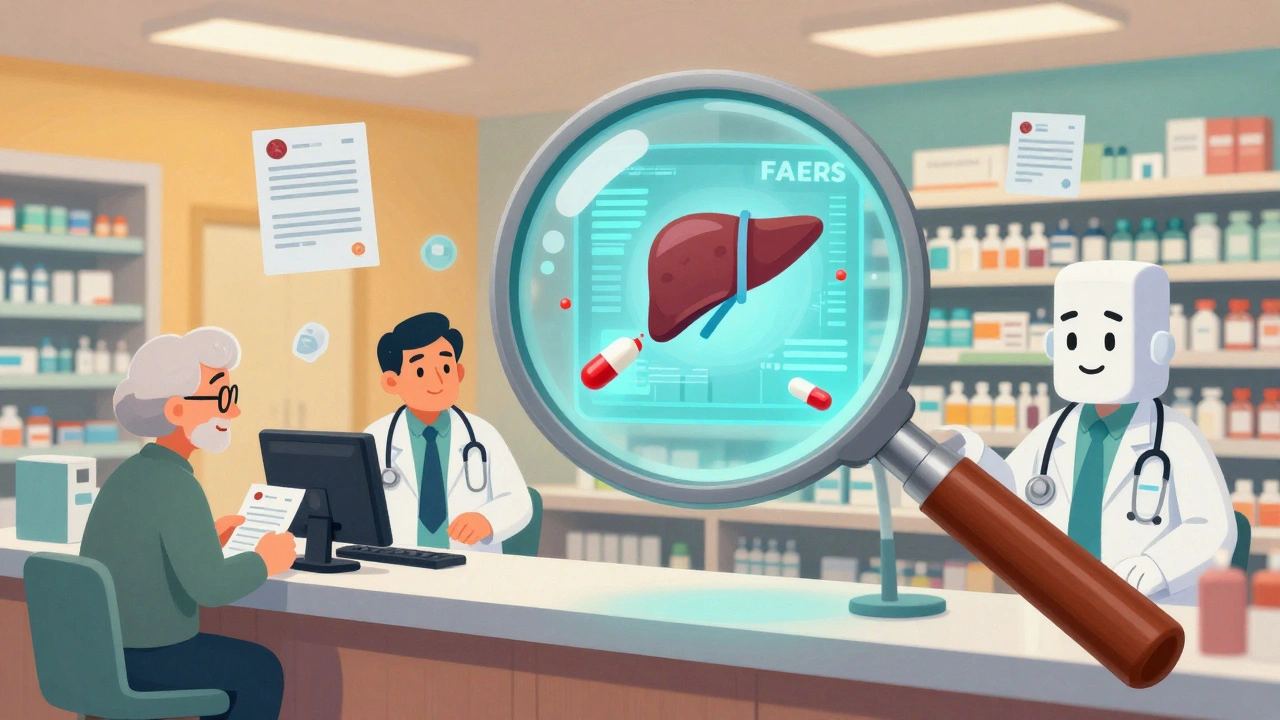
When you pick up a generic pill, you’re trusting that it’s just as safe and effective as the brand-name version. That trust doesn’t happen by accident—it’s the result of generic drug surveillance, a continuous system that monitors the safety and performance of generic medications after they reach the market. Also known as pharmacovigilance, it’s the quiet but critical process that catches problems before they become widespread. The FDA doesn’t just approve generics once and walk away. They watch them. Every batch. Every side effect report. Every unexpected reaction.
This system ties directly to how generic drugs, medications that contain the same active ingredients as brand-name drugs but are sold under their chemical name. Also known as generic medications, they are held to the same strict standards for strength, purity, and how your body absorbs them. But real-world use is different from lab tests. That’s where FDA oversight, the ongoing monitoring and inspection process that ensures drug manufacturers follow quality rules at every step kicks in. Think of it like a safety net: if a generic version causes more stomach issues than expected, or if a batch doesn’t dissolve properly, someone at the FDA will find out—through patient reports, pharmacy logs, or lab checks.
And it’s not just about pills. It’s about timing, interactions, and how your body reacts over time. Posts here cover how drug safety, the practice of identifying, evaluating, and preventing harmful effects from medications works in real life: from spotting delayed reactions to understanding why splitting a dose might reduce side effects. You’ll find stories about how rifampin messes with other meds, how pharmacist liability shifts when generics are swapped, and how lot numbers help trace a bad batch back to the factory. These aren’t theoretical—they’re the kind of things that keep people out of the ER.
Generic drug surveillance isn’t flashy. You won’t see ads for it. But every time you take a cheaper pill and it works without a hitch, that’s the system doing its job. And when something goes wrong—like a rare skin reaction or a sudden drop in blood cell count—it’s this same system that triggers alerts, recalls, and updates so others don’t get hurt. What you’re about to read isn’t just a list of articles. It’s a window into the real-world engine that keeps your meds safe, affordable, and reliable.
The FDA uses real-time data, inspections, and reporting systems to monitor generic drug safety after approval. Learn how FAERS, Sentinel, and manufacturing checks protect patients from hidden risks.