Generic Substitution: What It Means and Why It Matters for Your Health
When your pharmacist hands you a pill that looks different from what your doctor prescribed, you might wonder: is this the same thing? That’s generic substitution, the practice of replacing a brand-name drug with a chemically identical generic version at the pharmacy. Also known as drug interchange, it’s a routine step in modern healthcare that saves billions every year—and it’s completely safe when done right. You’re not getting a cheaper version of the medicine. You’re getting the same medicine, made by a different company, under the same strict rules.
The FDA, the U.S. agency that oversees drug safety and approval doesn’t allow just any generic to replace a brand-name drug. Every generic must prove it delivers the same amount of active ingredient into your bloodstream at the same speed as the original. That’s measured by two numbers: Cmax, the highest concentration of the drug in your blood, and AUC, the total exposure your body gets over time. If those numbers match within tight limits, the FDA says it’s bioequivalent—and safe to substitute. This isn’t theory. It’s tested in real people, reviewed by scientists, and verified before it ever hits the shelf.
Some people worry generics aren’t as good because they look different or cost less. But the difference is in the packaging, the color, or the filler ingredients—not the medicine that works. The same factories that make brand-name drugs often make generics too. The FDA manufacturing inspections, routine checks on production sites ensure quality doesn’t drop just because the price does. And after approval, the FDA keeps watching through systems like FAERS and Sentinel, tracking side effects and safety signals just like they do for brand-name drugs.
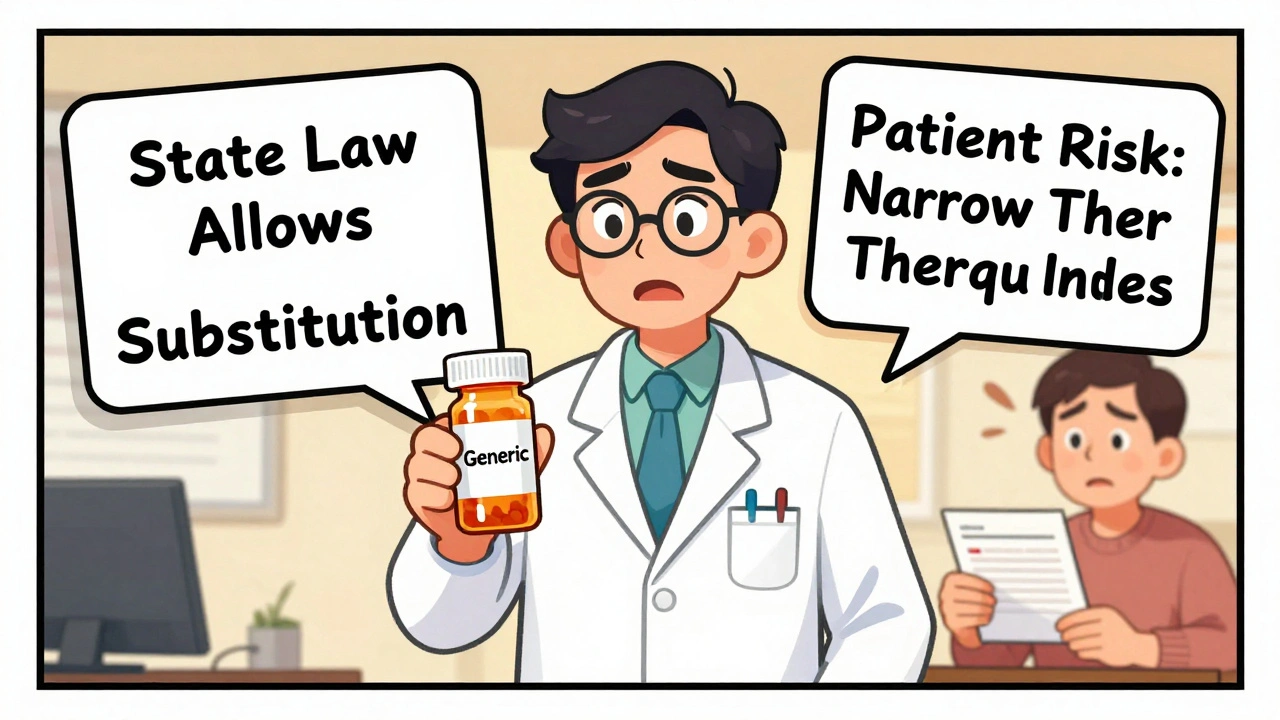
Generic substitution isn’t just about saving money. It’s about making sure more people can afford the meds they need. A patient on long-term blood pressure medication, a parent managing their child’s ADHD, or someone taking a life-saving cancer drug—all benefit when generics are available. But it’s not automatic. Some prescriptions say "dispense as written" or "do not substitute." That’s usually because the drug has a narrow therapeutic window—where even tiny differences matter, like with warfarin or levothyroxine. Always talk to your doctor or pharmacist if you’re unsure.
There are also cases where switching between different generic brands might cause a reaction, even if each one meets FDA standards. That’s rare, but real. If you notice a change in how you feel after a switch, don’t ignore it. Track your symptoms. Talk to your provider. You have the right to know what’s in your pill and why you’re getting it.
Below, you’ll find real-world stories and science-backed facts about how generic substitution works, what the FDA does behind the scenes to keep it safe, and when you should question a switch. From how rifampin interacts with other drugs to why splitting doses matters, these posts give you the tools to make smart, informed choices—without being talked down to.
Generic substitution saves money but creates legal risks for pharmacists. Learn how state laws, federal preemption, and high-risk drugs affect liability-and what steps you can take to protect yourself and your patients.