MAD for snoring: What causes it and how medications can help
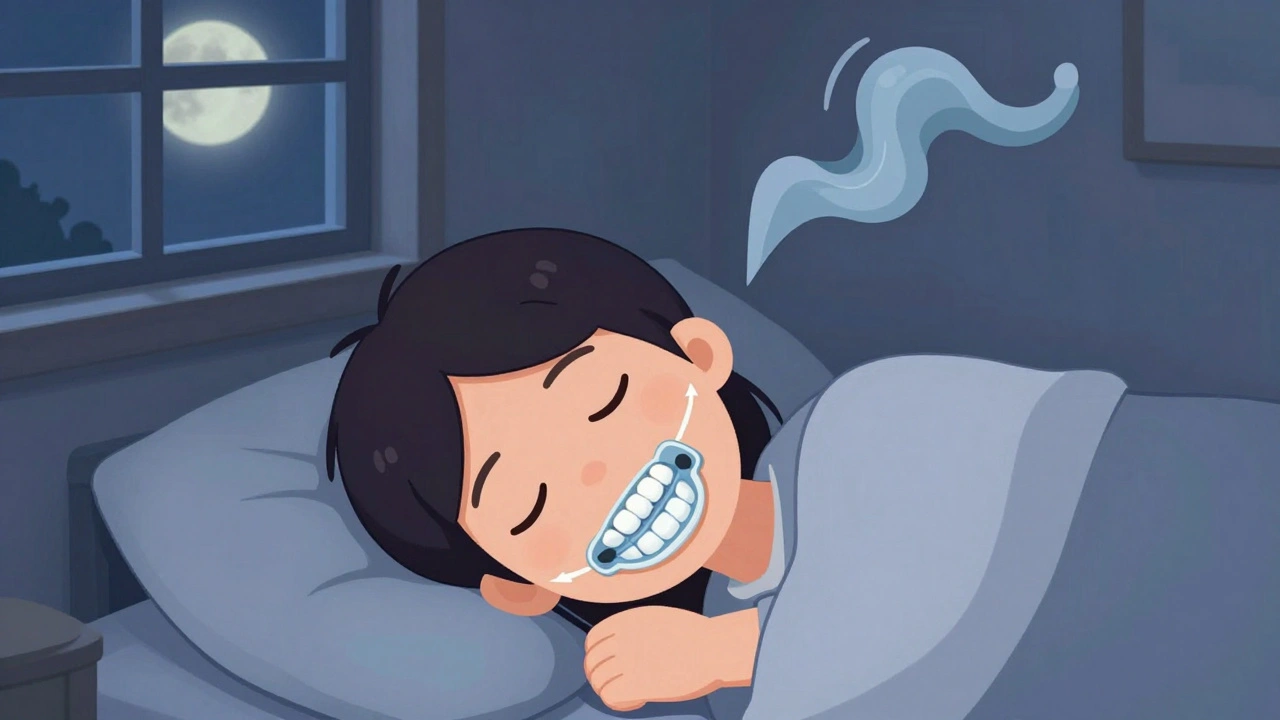
When you hear MAD for snoring, a Mandibular Advancement Device used to treat sleep-disordered breathing by moving the lower jaw forward. Also known as oral appliance therapy, it's one of the most effective non-surgical options for people who snore loudly or have mild to moderate sleep apnea. It’s not magic—it’s physics. By gently pulling your lower jaw forward, it opens up your airway so air can flow without the vibration that causes snoring. But here’s the thing: MAD isn’t the only tool in the box. Many men use it alongside other treatments, especially if their snoring is tied to something deeper like obesity, nasal blockage, or even certain medications that relax throat muscles.
Snoring isn’t just noise. It’s a signal. When your airway collapses during sleep, your body fights to breathe—sometimes dozens of times an hour. That’s not rest. That’s stress on your heart, your brain, and your whole system. Sleep apnea, a condition where breathing repeatedly stops and starts during sleep often hides behind simple snoring. And while MAD devices help mechanically, some men need help from drugs too. Certain antidepressants, muscle relaxants, or even alcohol can make snoring worse by relaxing the muscles in your throat. On the flip side, some medications used for other conditions—like nasal steroids for allergies or weight-loss drugs that reduce fat around the neck—can indirectly improve breathing at night. It’s not about one fix. It’s about connecting the dots between your meds, your weight, your sleep position, and your jaw structure.
What you’ll find in these articles isn’t a sales pitch for gadgets or miracle cures. It’s real talk from men who’ve been there. You’ll read about how to time your meds to avoid nighttime breathing problems, why splitting doses of certain drugs can reduce side effects that worsen snoring, and how to spot dangerous reactions like Stevens-Johnson Syndrome that can be triggered by medications you didn’t even think were connected to sleep. There’s advice on checking recalls for expired sleep aids, how to talk to your pharmacist about drug interactions that affect your airway, and why regular checkups matter even if you feel fine. This isn’t just about stopping noise. It’s about protecting your health while you sleep.
Oral appliance therapy with mandibular advancement devices offers a proven, non-invasive solution for snoring. Learn how they work, who benefits most, their effectiveness compared to CPAP, costs, risks, and what to expect before and after use.