Oral Appliance Therapy: What It Is and How It Helps with Sleep Apnea and Teeth Grinding
When you hear oral appliance therapy, a non-surgical treatment that uses custom-fitted devices worn in the mouth to improve breathing and protect teeth during sleep. Also known as sleep apnea mouthpieces, it's a go-to option for people who can't tolerate CPAP machines or have mild to moderate obstructive sleep apnea. This isn't just about stopping snoring—it's about keeping your airway open so you actually get restful sleep night after night.
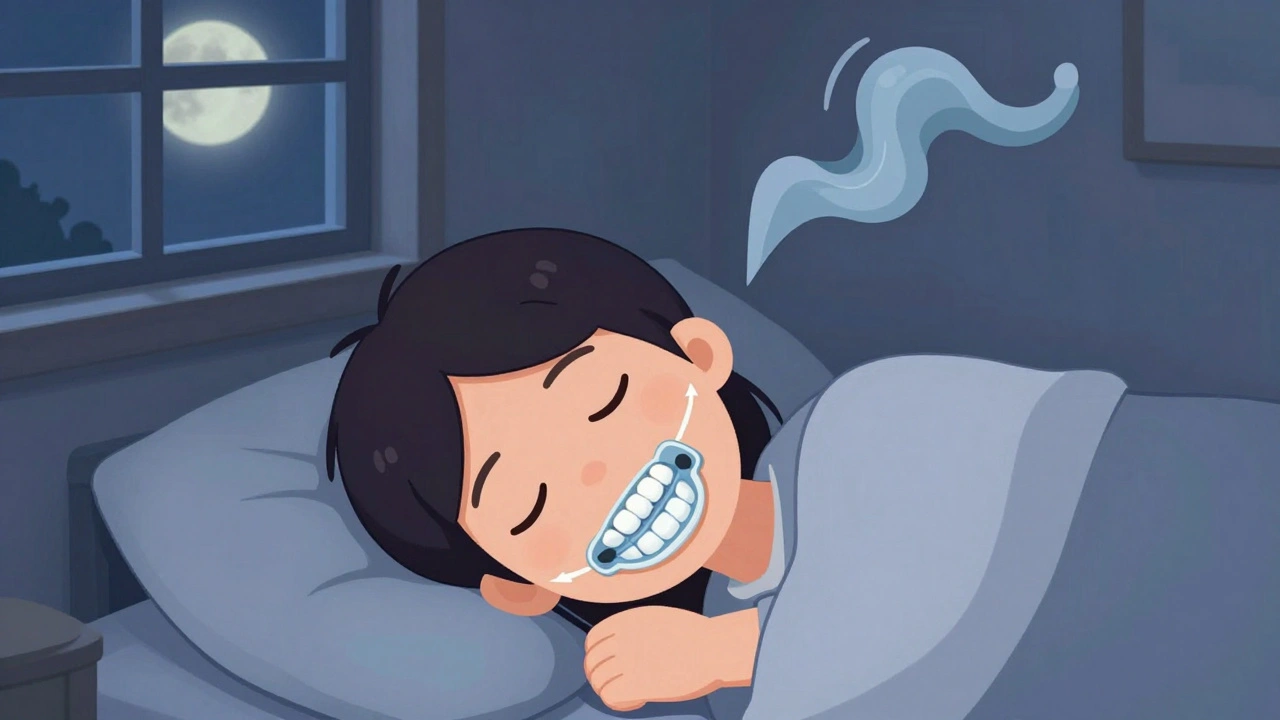
Most mandibular advancement devices, a type of oral appliance that gently moves the lower jaw forward to prevent throat collapse work by holding your jaw in a slightly forward position. This simple shift stops your tongue and soft tissues from blocking your airway while you sleep. For people with teeth grinding, also called bruxism, where clenching or grinding during sleep wears down enamel and causes jaw pain, these same devices act as a protective barrier. No more waking up with a sore jaw, headaches, or damaged teeth.
Unlike CPAP, which requires a mask and air pressure, oral appliances are small, quiet, and easy to travel with. Many users report better compliance because they forget they’re wearing them. But they’re not one-size-fits-all. A dentist trained in sleep medicine must take impressions and adjust the fit—this isn’t something you buy online and expect to work. The best results come from devices that are custom-made and monitored over time.
It’s not for everyone. If you have severe sleep apnea, a CPAP machine might still be your best bet. But for those who’ve tried and quit CPAP, or who just snore badly without full apnea, oral appliance therapy offers real relief. It’s also used alongside other treatments—like weight loss or positional therapy—to boost overall effectiveness. And unlike surgery, it’s reversible, low-risk, and doesn’t require recovery time.
What you’ll find in the articles below are real stories and science-backed tips about how these devices work in practice. From how to spot early signs of teeth grinding to why timing your medication matters if you’re using an oral appliance, these posts cover the hidden details most guides skip. You’ll learn what to ask your dentist, how to tell if your device is working, and what to do when it feels uncomfortable. No fluff. Just what actually helps people sleep better—without pills, machines, or surgery.
Oral appliance therapy with mandibular advancement devices offers a proven, non-invasive solution for snoring. Learn how they work, who benefits most, their effectiveness compared to CPAP, costs, risks, and what to expect before and after use.