Post-Approval Drug Monitoring: What Happens After a Drug Hits the Market
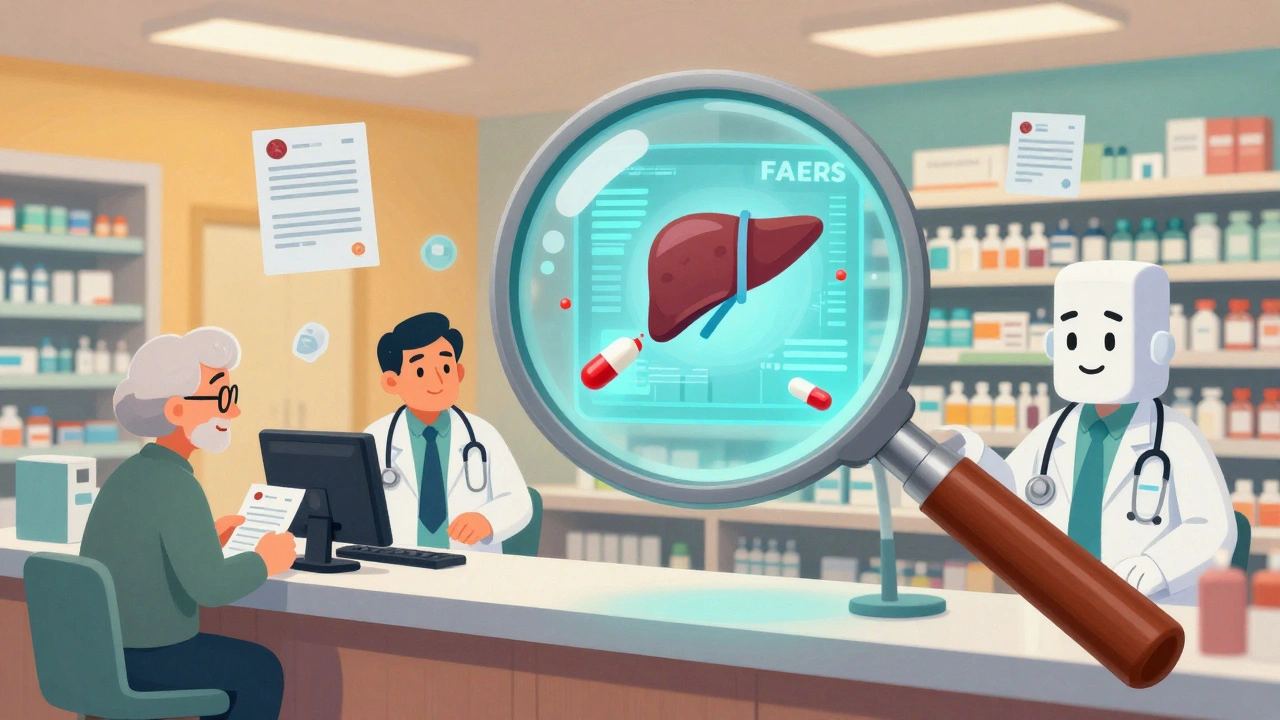
When a drug gets approved by the post-approval drug monitoring, the system that tracks real-world safety and side effects after a medication is released to the public. Also known as pharmacovigilance, it's the quiet but critical process that catches dangers no clinical trial could ever find. Clinical trials involve a few thousand people over months. Real life involves millions over years — and that’s where things get messy. A drug might seem perfect in a controlled study, but then thousands of people start taking it with other meds, different diets, or hidden health problems. That’s when rare side effects, delayed reactions, or dangerous interactions finally show up.
This is why adverse events, unexpected harmful reactions to medications reported by patients or doctors after approval matter so much. One patient might get a strange rash two weeks after starting a new pill. Another might notice their mood dropping after months on a drug everyone says is safe. These aren’t just anecdotes — they’re data points that feed into the system. The FDA surveillance, the ongoing monitoring program run by the U.S. Food and Drug Administration to detect and respond to drug safety issues collects these reports, analyzes patterns, and acts when something looks wrong. Sometimes it’s a warning label. Sometimes it’s a recall. Sometimes it’s a complete withdrawal — like with Vioxx, which caused heart problems only obvious after millions of doses were given.
It’s not just about big, scary reactions. medication side effects, expected or unexpected physical or mental changes caused by drugs, ranging from mild to life-threatening can be subtle. Fatigue, weight gain, brain fog, sexual dysfunction — these are often dismissed as "normal" until enough people report them. That’s where post-approval drug monitoring shines. It turns patient voices into action. Think of it like a giant early warning system. The more people report what they’re feeling, the faster problems get caught. That’s why your feedback — whether you fill out a form, call your pharmacist, or just mention it at your next checkup — isn’t just helpful. It’s essential.
The posts below dig into real cases where this system made a difference. You’ll find stories about how rifampin messes with birth control, how antidepressants can quietly worsen depression, and why splitting a pill might reduce side effects. You’ll see how generic drugs are checked for safety, how lot numbers help track recalls, and why timing your meds matters more than you think. These aren’t theoretical. They’re lived experiences — the kind that only show up after a drug is out in the wild. This isn’t just about knowing what’s in your medicine. It’s about knowing what happens after you take it — and how you can help keep others safe, too.
The FDA uses real-time data, inspections, and reporting systems to monitor generic drug safety after approval. Learn how FAERS, Sentinel, and manufacturing checks protect patients from hidden risks.