Professional Liability in Pharmaceuticals: Risks, Regulations, and Real-World Consequences
When a medication causes harm because of a mistake in prescribing, labeling, or monitoring, professional liability, the legal responsibility healthcare providers and manufacturers hold when their actions lead to patient injury. Also known as medical malpractice in drug safety, it’s not just about lawsuits—it’s about systems that fail patients when they’re most vulnerable. This isn’t theoretical. Think of someone taking rifampin for tuberculosis and losing their birth control effectiveness because no one warned them. Or a patient on prednisone developing severe side effects because their doctor didn’t track long-term risks. These aren’t accidents—they’re breakdowns in professional responsibility.
Professional liability doesn’t stop at the doctor’s office. It extends to pharmacies, manufacturers, and even regulators. The FDA, the U.S. agency responsible for ensuring drugs are safe and effective before and after they reach the market. Also known as Food and Drug Administration, it tracks drug safety through systems like FAERS and Sentinel, but those tools only work if errors get reported. That’s where medication errors, mistakes in prescribing, dispensing, or taking drugs that lead to harm. Also known as drug administration errors, it become critical. A mislabeled pill, a missed interaction between antifungals and blood thinners, or a patient not knowing how to split a dose safely—all of these can trigger liability claims. And when patients report side effects through patient-reported outcomes, direct feedback from patients about their symptoms and experiences with medications. Also known as PROs, it, they’re not just sharing stories—they’re helping close the loop on professional accountability.
What you’ll find in these posts isn’t just a list of drugs or side effects. It’s a map of where things go wrong—and how to stop them. From how the FDA checks generic drug quality to why timing your pills matters, each article shows the hidden connections between everyday decisions and legal risk. You’ll see how a simple delay in checking a lot number can lead to a recall crisis, or how ignoring drug interactions turns a routine prescription into a medical emergency. This isn’t about fear. It’s about awareness. If you’re a patient, a caregiver, or a healthcare worker, understanding professional liability means knowing when to ask harder questions, when to double-check, and when to speak up before something breaks.
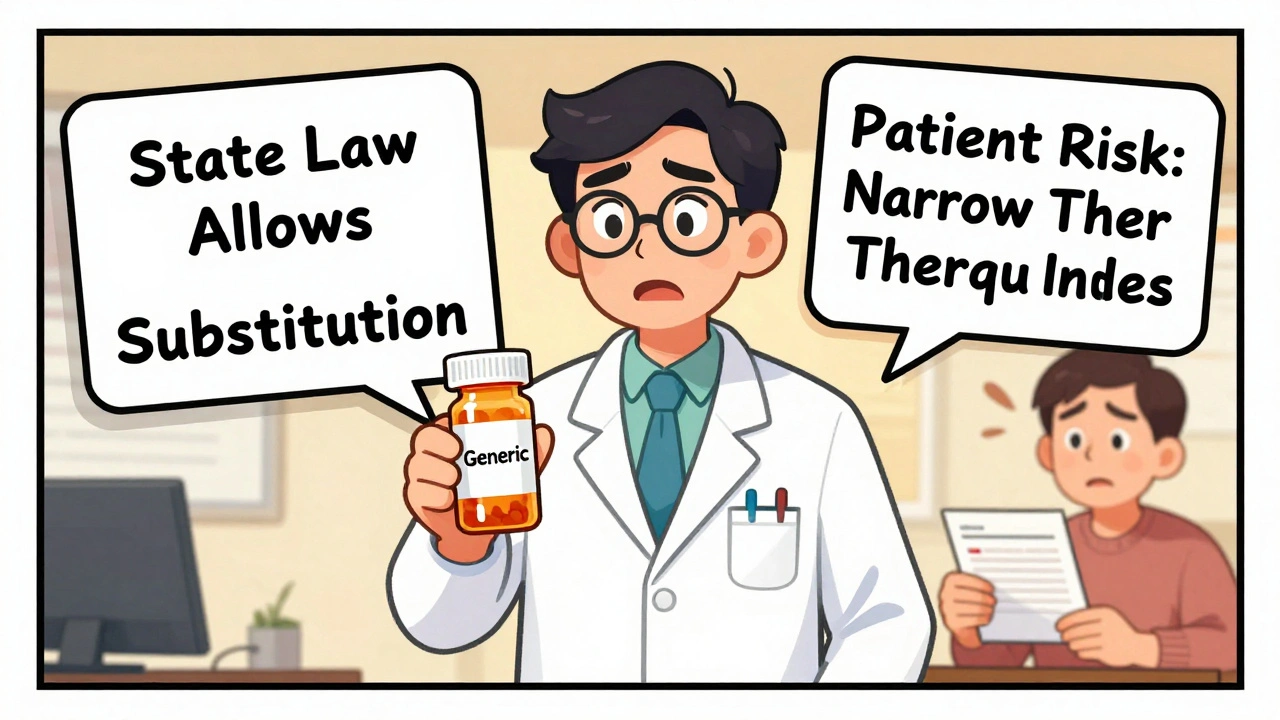
Generic substitution saves money but creates legal risks for pharmacists. Learn how state laws, federal preemption, and high-risk drugs affect liability-and what steps you can take to protect yourself and your patients.