Sleep Apnea Alternative: Real Options Beyond CPAP
When you have sleep apnea, a condition where breathing repeatedly stops during sleep, often due to blocked airways. It's not just about snoring—it's about your body struggling to get oxygen, leaving you exhausted even after a full night’s rest. Many people are told to use a CPAP machine, but if it feels uncomfortable, noisy, or just doesn’t stick, you’re not alone. There are other proven ways to manage sleep apnea alternative treatments that don’t involve a mask and hose.
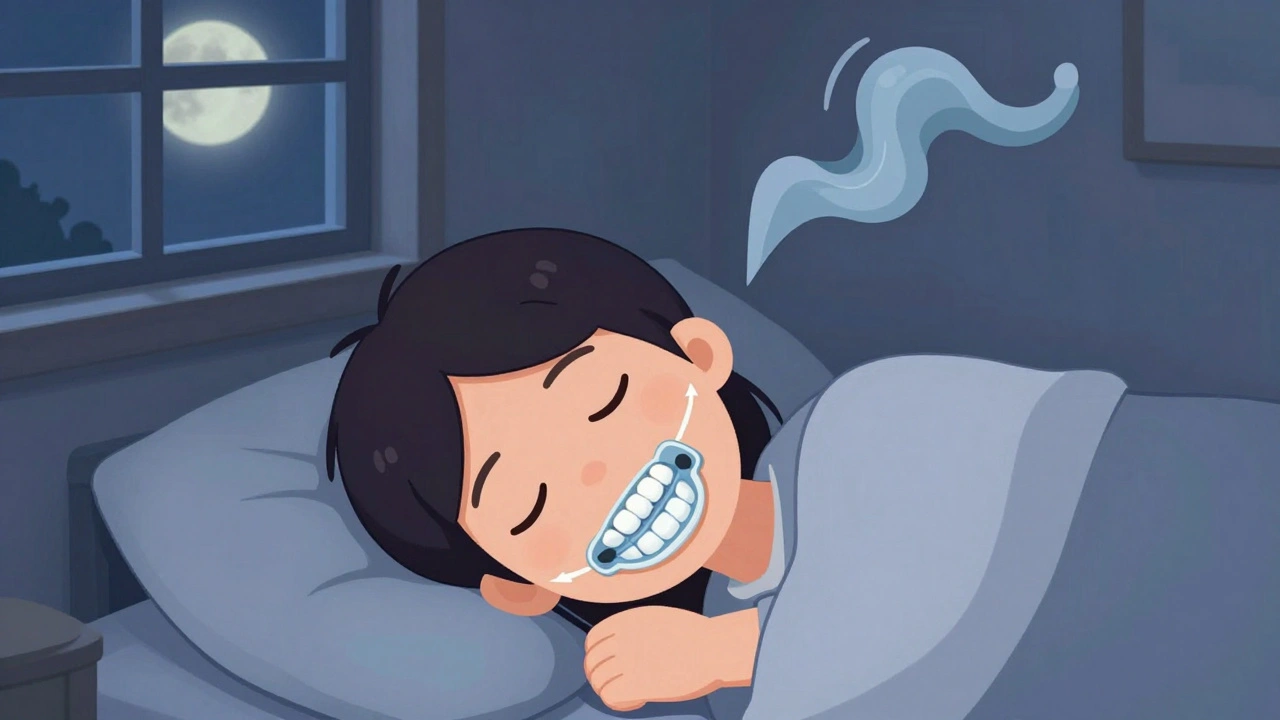
One common oral appliance, a custom-fitted device worn like a mouthguard to keep the airway open during sleep. It’s often recommended for mild to moderate cases and works by gently repositioning the jaw forward. Unlike CPAP, it’s quiet, portable, and easy to use—no electricity needed. Another option is position therapy, training yourself to sleep on your side instead of your back, where gravity makes airway collapse worse. Simple tools like positional pillows or even sewing a tennis ball into the back of your pajamas can make a real difference. Weight loss also plays a role. Losing just 10% of body weight can cut sleep apnea severity in half for many people, especially if excess weight is pressing on the airway.
Some people turn to nasal strips or breathing exercises, like those from the Buteyko method, which help improve airflow and reduce mouth breathing. While these aren’t cures, they can support other treatments. You might also hear about surgery, but it’s usually a last resort—only for specific anatomical blockages and when other options fail. The key is finding what fits your life. Not everyone needs a machine. Some need a mouthpiece. Others need better sleep habits, a change in posture, or a combination.
The posts below cover what actually works when CPAP isn’t the answer. You’ll find real stories and science-backed tips on oral devices, how certain medications affect breathing at night, how to time your meds to avoid worsening symptoms, and even how gut health and weight management tie into sleep quality. No guesswork. Just clear, practical options you can try.
Oral appliance therapy with mandibular advancement devices offers a proven, non-invasive solution for snoring. Learn how they work, who benefits most, their effectiveness compared to CPAP, costs, risks, and what to expect before and after use.