Take Meds at Right Time: Why Timing Matters for Safety and Effectiveness
When you take meds at right time, you’re not just following instructions—you’re working with your body’s natural rhythms. This isn’t about being punctual; it’s about biology. Your liver, stomach, and even your gut bacteria process drugs differently at 8 a.m. versus 8 p.m. A pill taken too early, too late, or with the wrong meal can fail to work—or cause harm. medication timing, the precise schedule for when to take a drug to maximize benefit and minimize risk. Also known as dosing schedule, it’s a silent factor behind whether your treatment works or backfires.
Many people don’t realize that food and meds, how meals interact with drugs to change how quickly or completely they enter your bloodstream. Also known as drug-food interactions, it can turn a life-saving dose into a useless one. Take levothyroxine: if you swallow it with coffee or breakfast, it barely gets absorbed. But take it on an empty stomach, 30 minutes before food, and it works like it should. Same with NSAIDs like etodolac—taking them with food reduces stomach upset but can slow how fast they relieve pain. And then there’s pharmacokinetics, how your body absorbs, moves, breaks down, and gets rid of a drug over time. Also known as drug metabolism, it’s why splitting doses or taking meds at set intervals keeps blood levels steady and avoids dangerous peaks. When you take a drug every 12 hours instead of twice in one day, you’re not just being careful—you’re preventing side effects that come from too-high blood levels.
Timing isn’t just about food or hours on the clock. It’s about your circadian rhythm, other medications you’re on, and even your sleep cycle. Prednisone taken in the morning mimics your body’s natural cortisol surge and reduces side effects like insomnia. Antibiotics like erythromycin need to be spaced evenly so bacteria don’t get a chance to bounce back. And if you’re on immunosuppressants like methotrexate, vaccine timing isn’t optional—it’s critical for protection. Even something as simple as checking if a pill should be taken before or after a meal isn’t a minor detail. It’s the difference between your treatment helping you or hurting you.
Confused about when to take your meds? You’re not alone. Labels are often unclear, and doctors don’t always explain the why. But knowing how timing affects absorption, effectiveness, and safety puts you in control. Below, you’ll find real, practical guides on how to get it right—from avoiding dangerous interactions with food, to understanding why some drugs need to be split, to knowing when to take your pills so they actually work. No fluff. No guesswork. Just what you need to make your meds do their job.
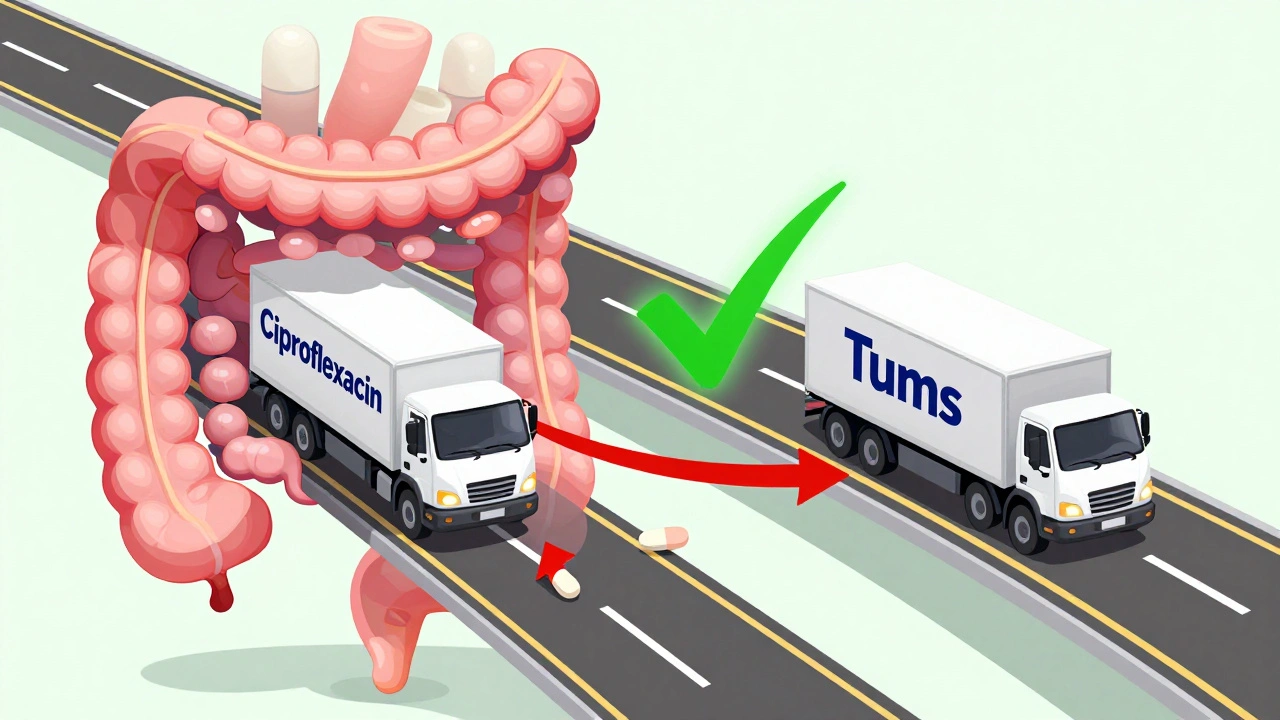
Learn how to space out your medications to avoid dangerous interactions, improve absorption, and prevent side effects. Simple timing changes can make your drugs work better - without switching prescriptions.