Medical Conditions: What You Need to Know About Lymphoma and Tetanus
When it comes to health, understanding what you’re facing matters a lot. That’s especially true for medical conditions like cell lymphoma and tetanus. These aren’t words you hear every day, but knowing some basics can really make a difference.
What’s Cell Lymphoma and How Does Mental Health Help?
Cell lymphoma is a kind of cancer that attacks your immune system—the body's shield against infections. The fight isn’t just physical; it can be a tough emotional journey too. That’s why mental health support is a big deal here. Keeping your mind strong can help you handle treatment better and improve your day-to-day life.
Family and friends can also play a huge role. When they understand the mental challenges, they’re better at providing the emotional backing patients need. Resources like counseling or support groups bring relief and encourage positive minds during hard times.
Tetanus: Vaccine Facts and Alternative Medicine Thoughts
Tetanus might seem old-fashioned, but it’s still serious. It’s caused by bacteria that get inside the body through cuts or wounds. The good news? Vaccines offer solid protection and have helped reduce cases worldwide. But what about alternative medicine? Some folks look for home remedies or natural options.
Truth is, none of these alternatives replace vaccination. Protecting yourself with science-backed shots is the safe bet. If you’re curious about alternative treatments, it’s smart to talk with your doctor first and make informed choices. Prevention starts with good clean habits and keeping your vaccine schedule up to date.
Whether you're dealing with lymphoma or want to know more about tetanus, understanding the facts helps you take charge of your health. Remember, both your body and mind need care during any medical condition. Explore trusted resources and don’t hesitate to get support when you need it.
CGMs, smart insulin pens, and diabetes apps are transforming how people manage diabetes. With real-time data, fewer fingersticks, and predictive alerts, technology is making stable blood sugar easier than ever-when access and education keep up.
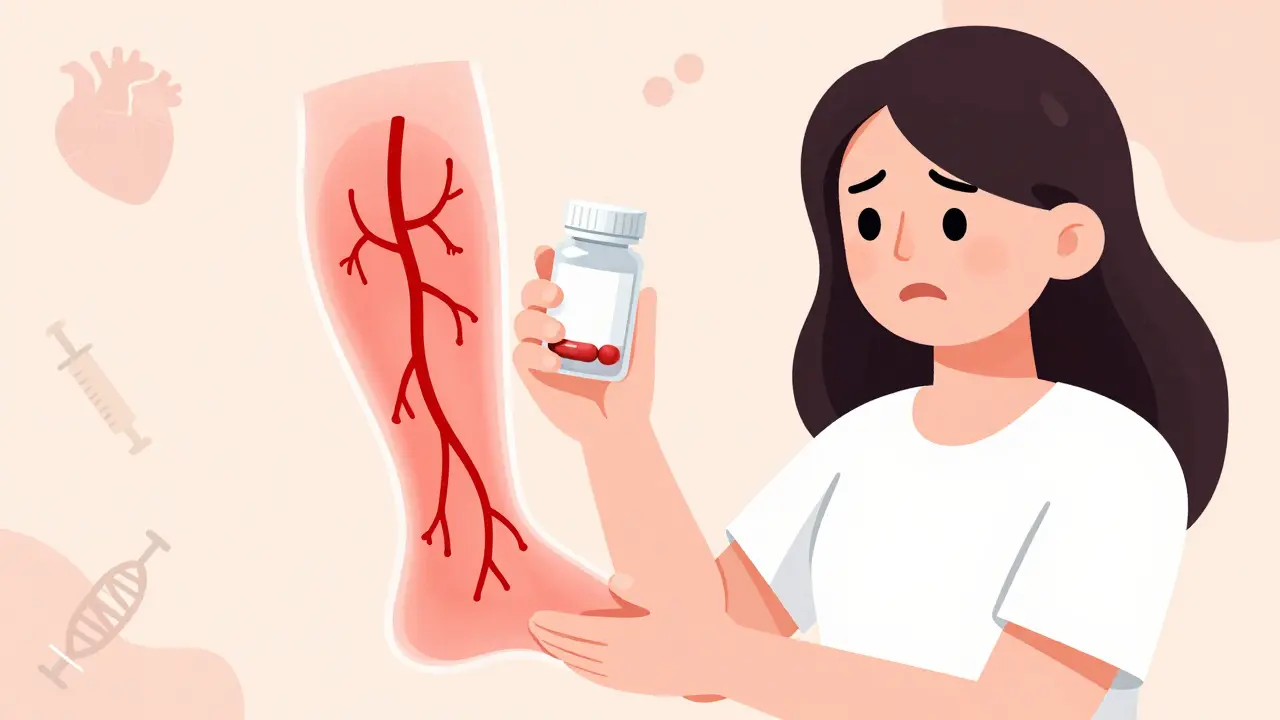
Certain medications can trigger dangerous blood clots. Learn how to recognize the signs, who’s at risk, and what steps you can take to prevent them - before it’s too late.
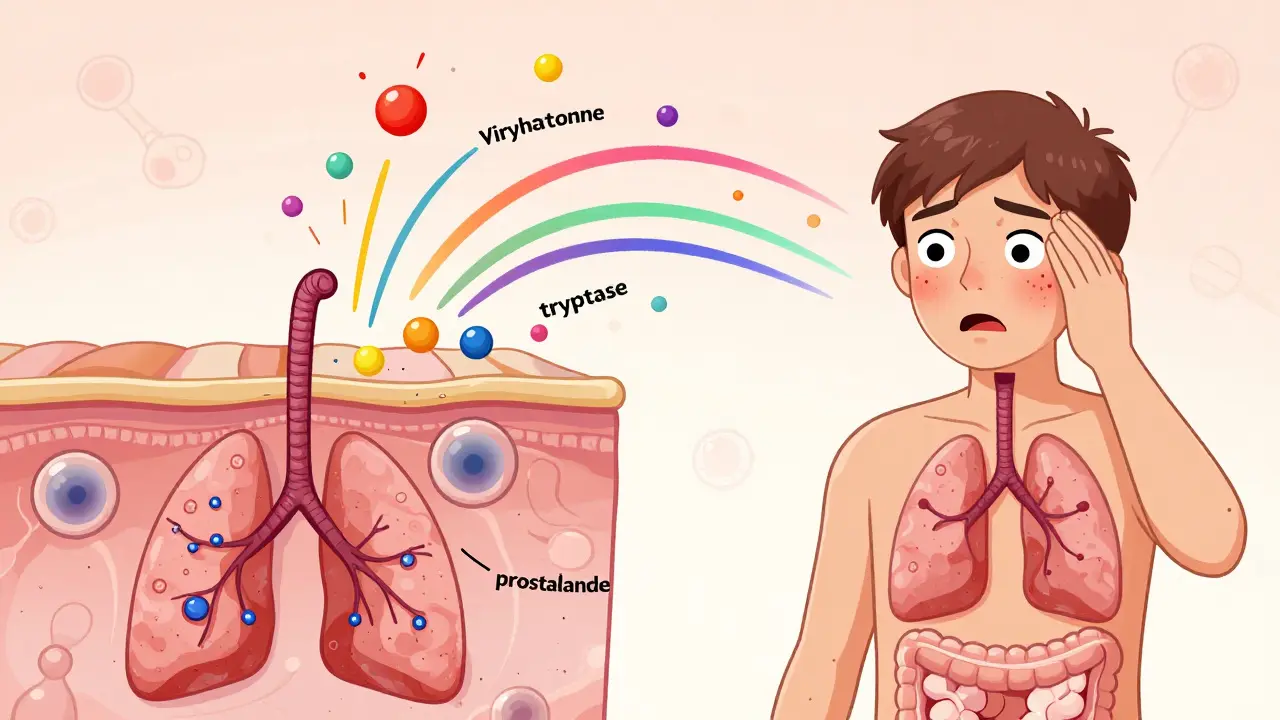
Mast cell activation syndrome causes chronic, multi-system symptoms due to uncontrolled release of histamine and other mediators. Mast cell stabilizers like cromolyn sodium can prevent this release, offering relief for many patients - if used correctly and consistently.
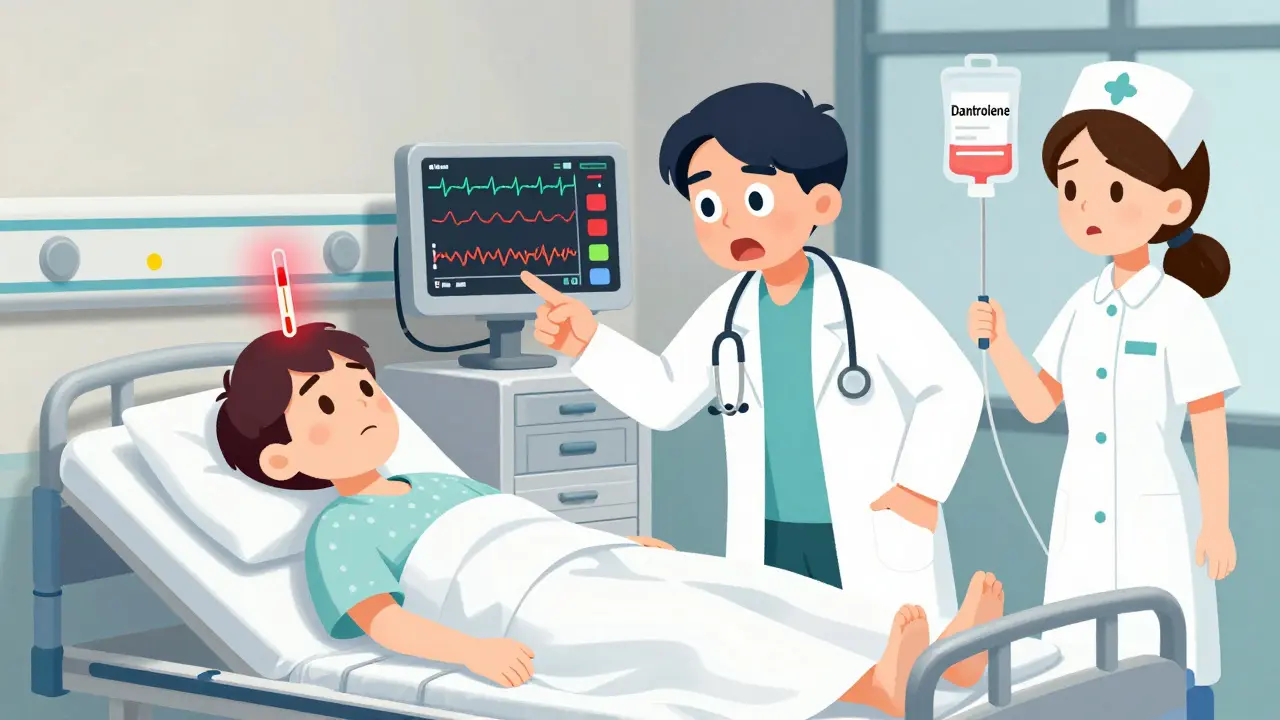
Neuroleptic Malignant Syndrome (NMS) is a rare but deadly reaction to antipsychotic and dopamine-blocking medications. Learn the four key symptoms, who's at risk, how it's treated, and why early recognition can mean the difference between life and death.
Peripheral neuropathy causes pain, numbness, and balance issues due to nerve damage. Common causes include diabetes, chemotherapy, and vitamin B12 deficiency. Effective treatments include medications like pregabalin, physical therapy, and blood sugar control. Early intervention improves outcomes.
Psoriatic arthritis links skin and joint inflammation through the same immune response. Learn the key signs-like dactylitis and nail changes-and how modern treatments can prevent joint damage and improve daily life.
Hyperpigmentation and keloids are common, persistent skin conditions in people with darker skin tones. Learn what causes them, how to treat them safely, and how to prevent them from worsening over time.
Medication-induced aplastic anemia is a rare but deadly side effect of certain drugs. Learn the early warning signs, which medications are most dangerous, and what urgent actions to take before it's too late.
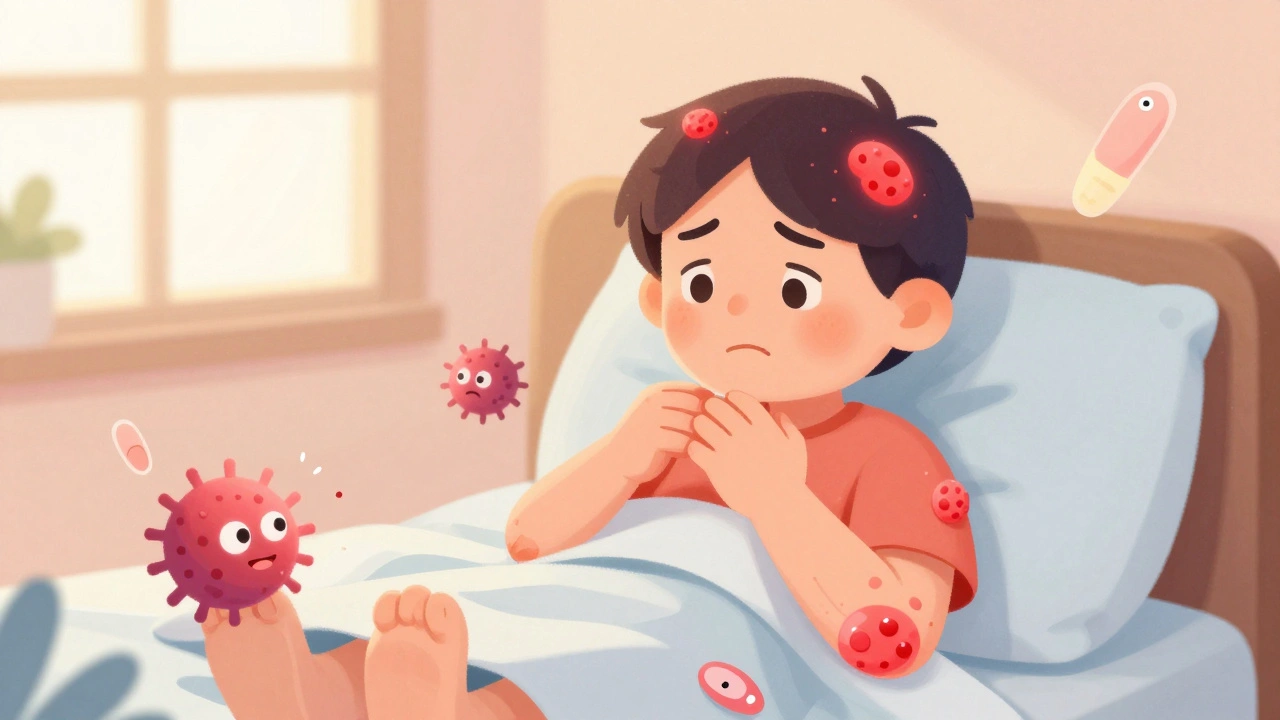
Stevens-Johnson Syndrome and Toxic Epidermal Necrolysis are rare but deadly drug reactions that cause skin and mucous membrane damage. Learn the warning signs, top triggers, and why genetic testing could save your life.
Explore how secondary hyperparathyroidism drives gastrointestinal problems, the science behind the link, common symptoms, and practical ways to manage both conditions.