Health Literacy Strategies: Understanding Labels and Dosing
Learn practical health literacy strategies to read medication labels correctly, avoid dosing errors, and implement a personal safety plan for better health outcomes.

When it comes to managing your health with medications, confusion can strike fast. You might wonder: Is this dose right? Are there safer or better options? That’s exactly why we created this space — to cut through the clutter and help you find clear answers about medicines you or someone you care about might be taking.
For example, take migraine relief. You may have heard about Imitrex 25 mg but question if that’s enough to ease your pain without holding onto nasty side effects. Or maybe you’re exploring alternatives if you’re not comfortable with your current prescription. We break these topics down in ways that feel straightforward and useful.
Let’s face it: not every medication works perfectly for everyone. Side effects can vary, costs can be a concern, and sometimes you simply want options that better fit your lifestyle or health profile. That’s why you’ll find plenty of info on alternative meds like substitutes for diabetes drugs, antibiotics, or treatments for infertility.
Remember, switching meds on your own isn’t a good idea. Instead, use these insights to have a smarter conversation with your doctor. Understanding alternatives helps you weigh benefits like fewer side effects, easier dosing, or natural options against potential downsides.
Buying medications online raises questions about safety and legality, too. We guide you through how to spot reliable online pharmacies, what prescriptions you need, and how to avoid scams. Safety is key — never compromise when it comes to your health.
This category is packed with practical articles about common men’s health medications — from blood pressure meds like Propranolol to antibiotics alternatives and cholesterol treatments. Dive in here to gain confidence in understanding your meds and making choices that work best for you.
Your health is worth it. With clear, no-nonsense info at your fingertips, you’re equipped to take charge and stay informed about medications for a stronger, healthier you.
Learn practical health literacy strategies to read medication labels correctly, avoid dosing errors, and implement a personal safety plan for better health outcomes.

Explore how age and sex differences impact bioequivalence studies. Learn current regulatory standards from the FDA and EMA regarding gender balance and elderly inclusion in generic drug testing.

New guidelines show doxycycline is safe for children under 8 for short courses, unlike older tetracyclines which cause permanent tooth staining. Learn the risks and updates.
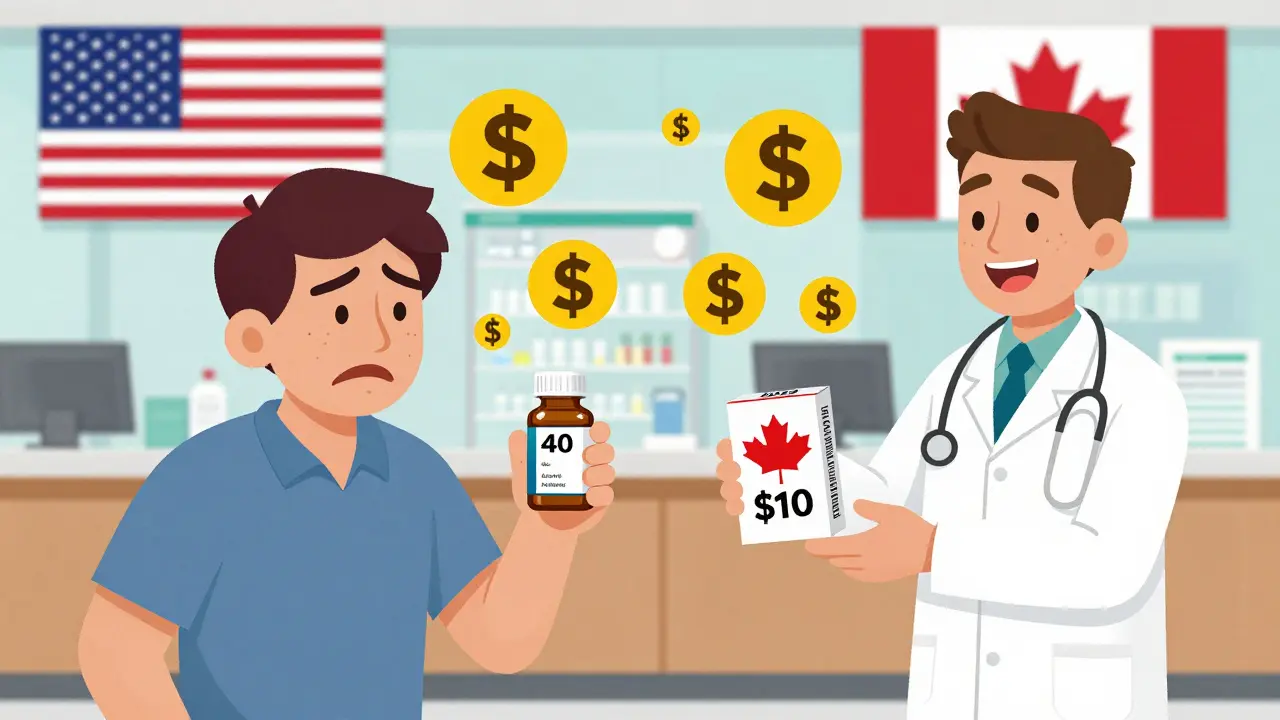
Many Americans save hundreds on generics by buying medicines abroad, but safety and legality vary. Learn where to find real savings, which countries are safest, and how to avoid counterfeit drugs.
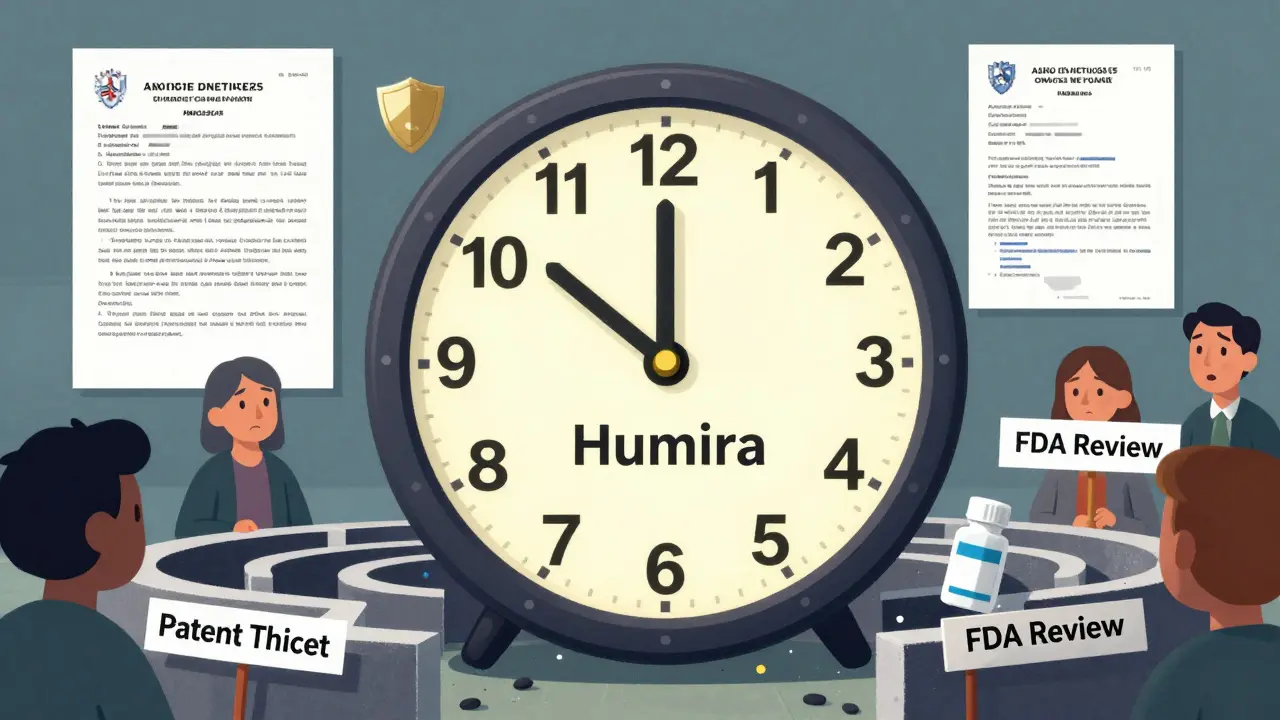
Biosimilars in the U.S. can't enter the market until 12 years after the original biologic is approved. This delay, driven by law and patent tactics, keeps drug prices high and limits patient access - especially compared to Europe.
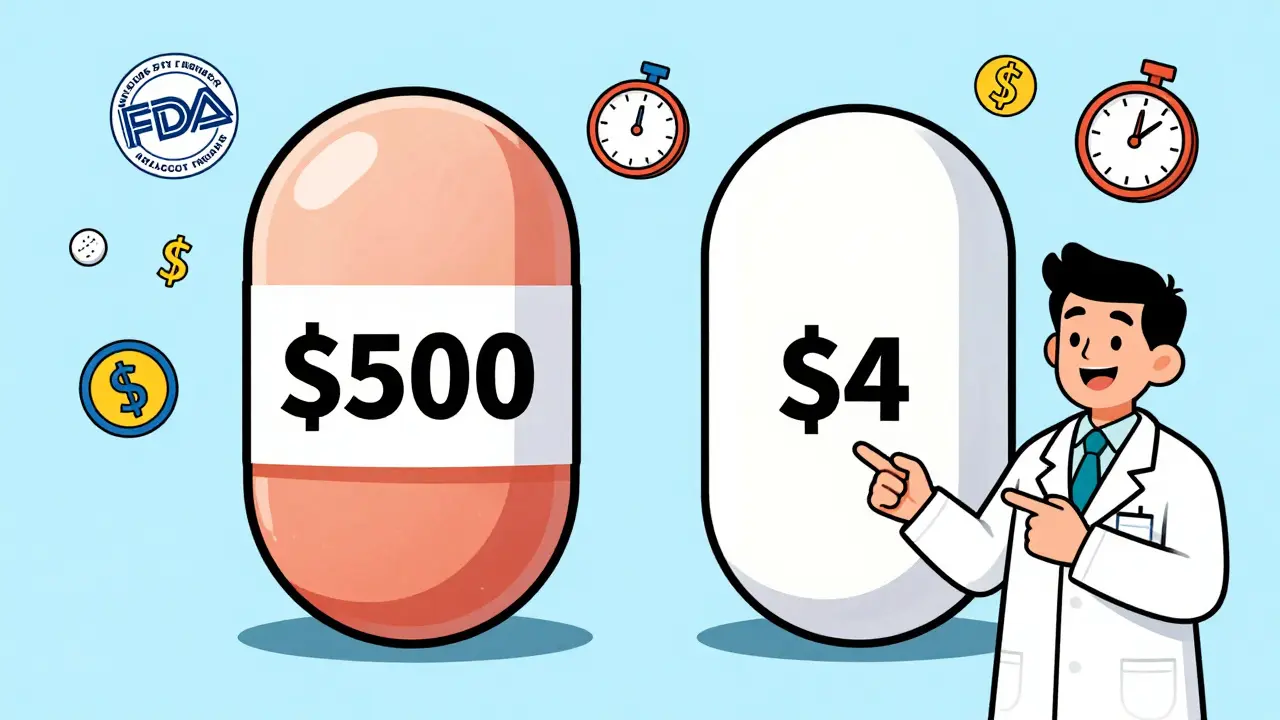
Generic drugs cost 80-85% less than brand-name drugs because they don't repeat expensive clinical trials. They're chemically identical, FDA-approved, and backed by decades of real-world use. Savings are massive - and so is the evidence.
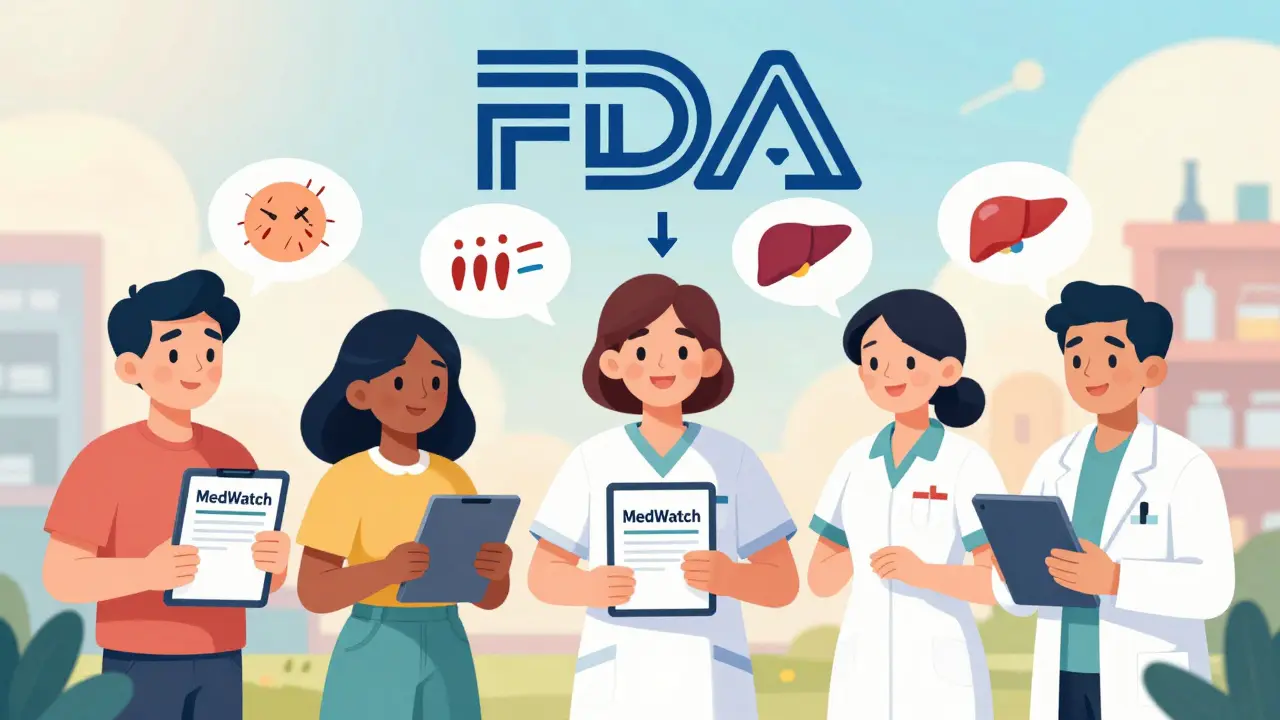
Learn how to report adverse drug reactions to FDA MedWatch - the official system that helps keep medications safe. Whether you're a patient, doctor, or pharmacist, your report matters.
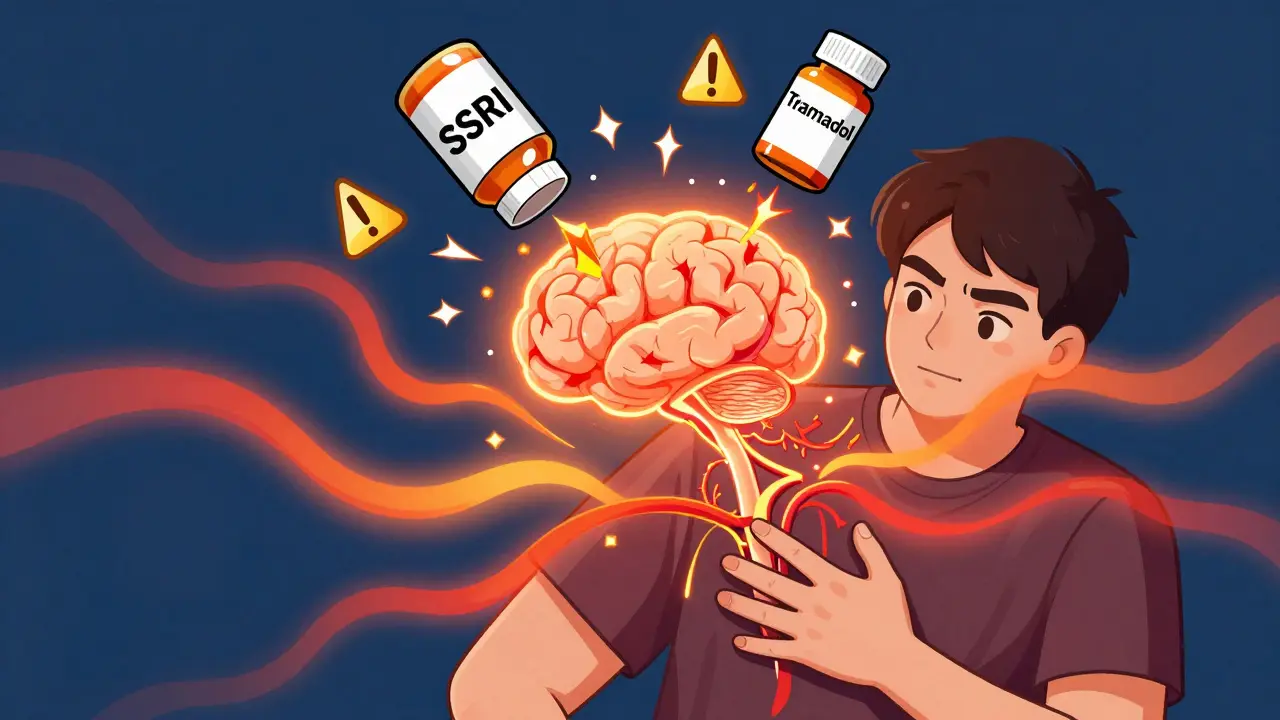
SSRIs and opioids can cause serotonin syndrome - a dangerous, sometimes fatal reaction. Learn which drug combinations are risky, how to spot symptoms early, and how to prevent this life-threatening interaction.
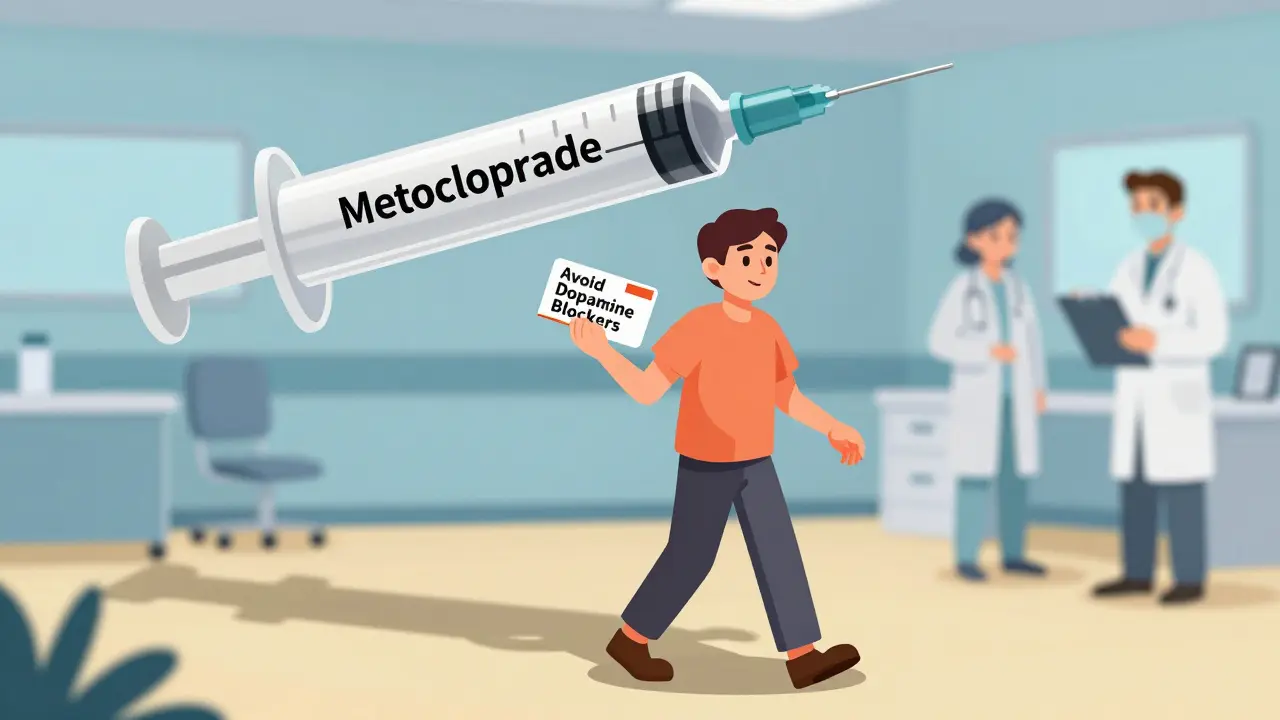
Dopamine-blocking antiemetics like metoclopramide can severely worsen Parkinson’s symptoms. Learn which drugs to avoid, safer alternatives like domperidone and cyclizine, and how to protect yourself from dangerous medication errors.
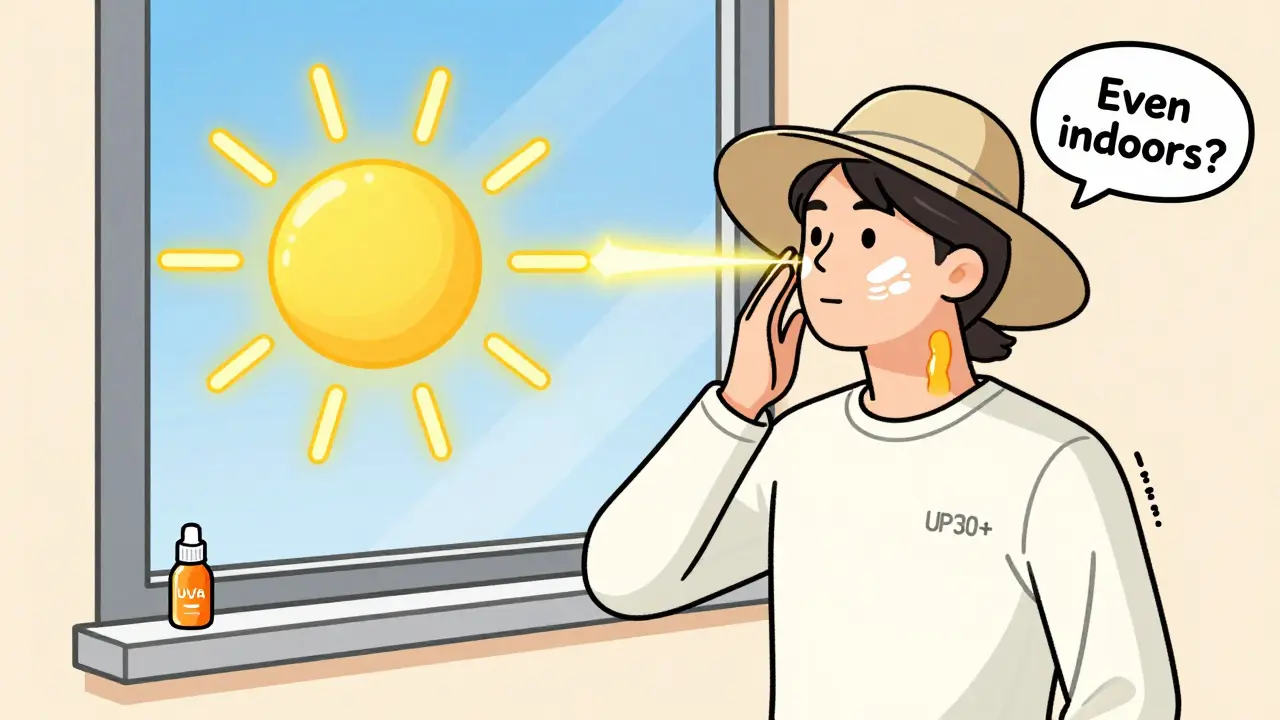
Doxycycline and TMP-SMX (Bactrim) can make your skin dangerously sensitive to sunlight, causing severe sunburns and rashes. Learn how to protect yourself with sunscreen, clothing, and smart habits - even indoors.