OTC Heartburn Medications: Antacids, H2 Blockers, and PPIs Explained
Learn how antacids, H2 blockers, and PPIs work for heartburn, when to use each, and the risks of long-term use. Make smarter choices for OTC relief.

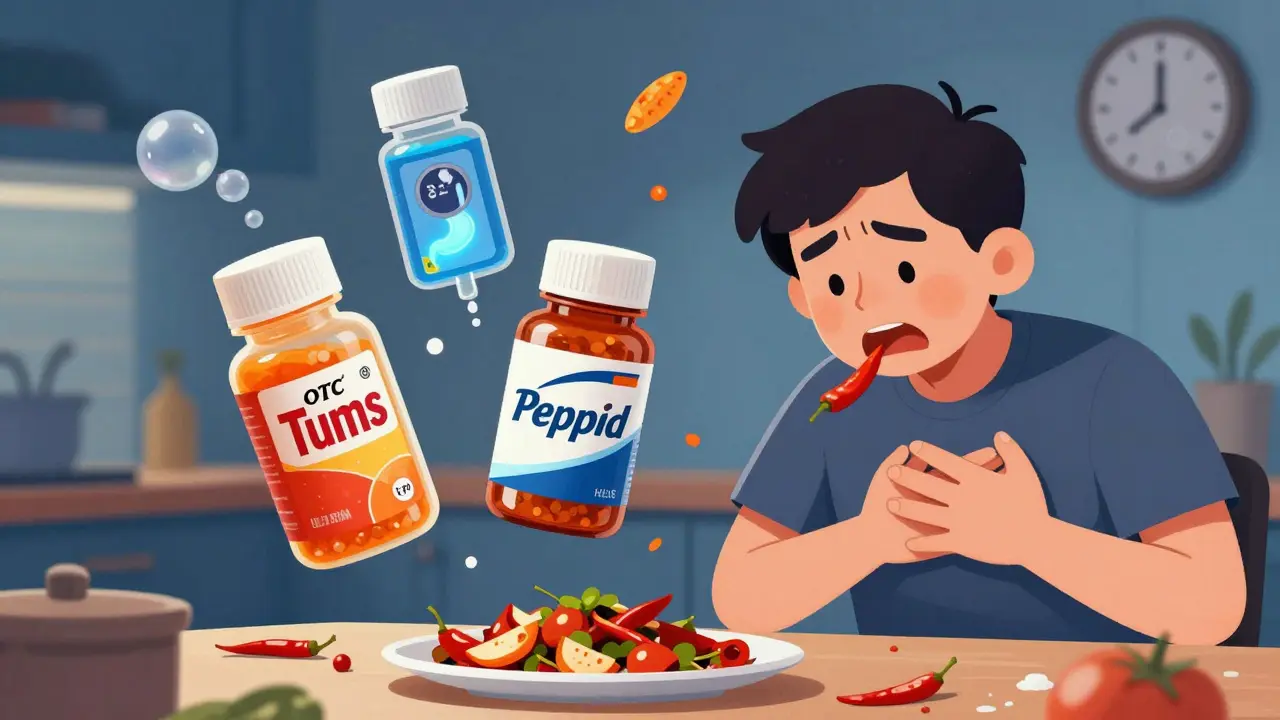
Learn how antacids, H2 blockers, and PPIs work for heartburn, when to use each, and the risks of long-term use. Make smarter choices for OTC relief.
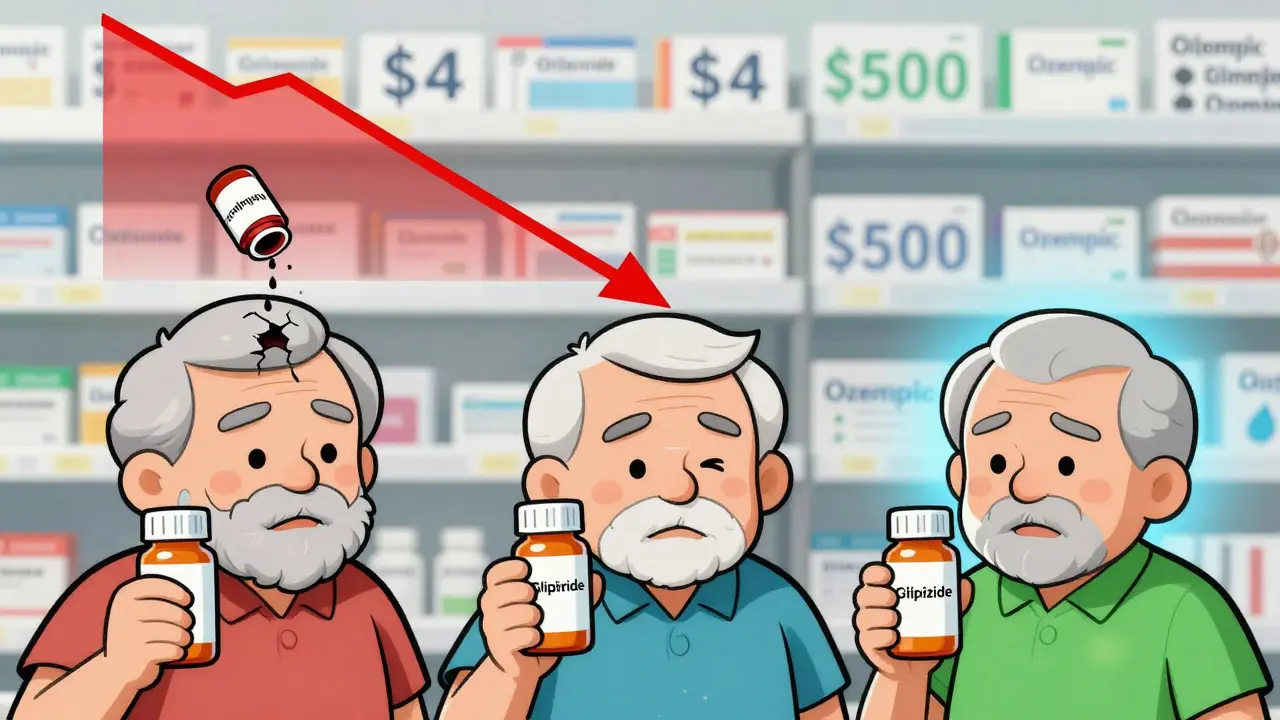
Not all sulfonylureas carry the same hypoglycemia risk. Glipizide is safer than glyburide, especially for older adults and those with kidney issues. Learn which drug to ask for and why.

Learn how to successfully appeal a denied medication prior authorization with step-by-step guidance, real success strategies, and key data showing an 82% reversal rate when done right.

Iron-rich meals and supplements can block thyroid medication absorption, leading to uncontrolled hypothyroidism. Learn the exact timing rules - 4 hours between iron and levothyroxine - and practical ways to stick to them.
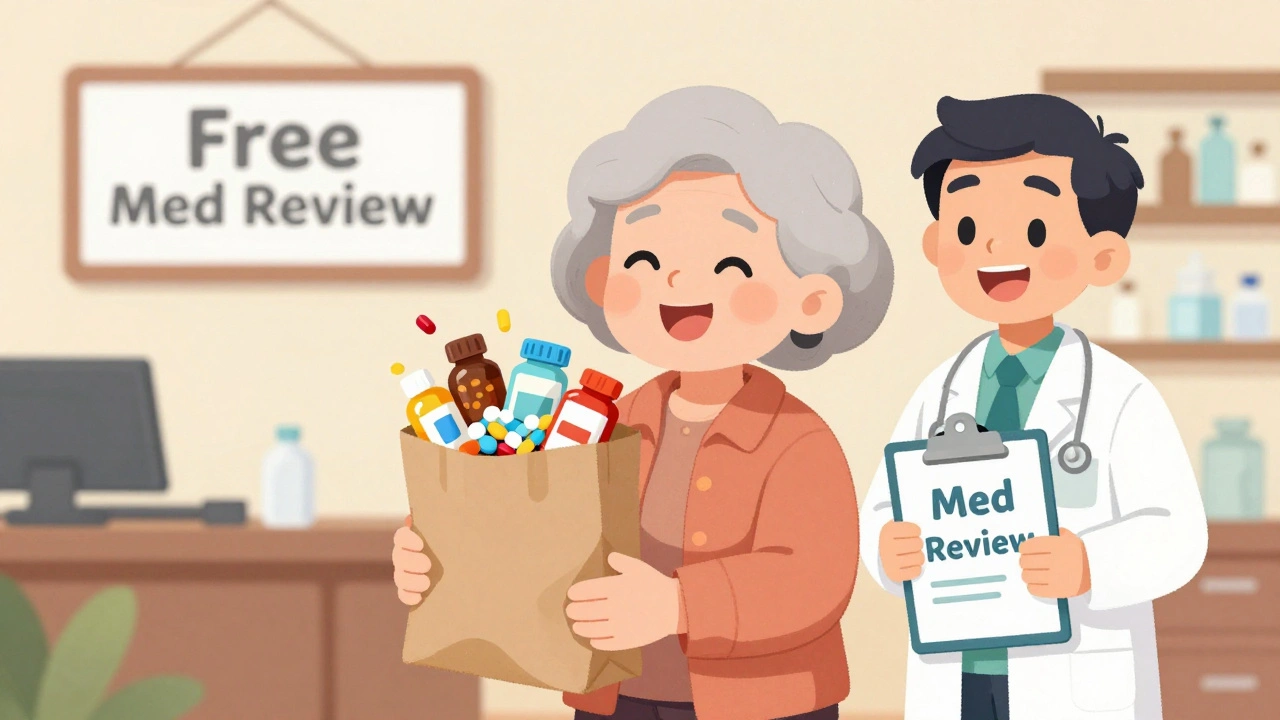
Learn how to work with your doctor to safely stop unnecessary medications, reduce side effects, and save hundreds - even thousands - of dollars a year on prescriptions. Real strategies, real savings.

The best time to take statins isn't about night or morning-it's about consistency. Learn how statin timing affects cholesterol control and why adherence beats clock time.
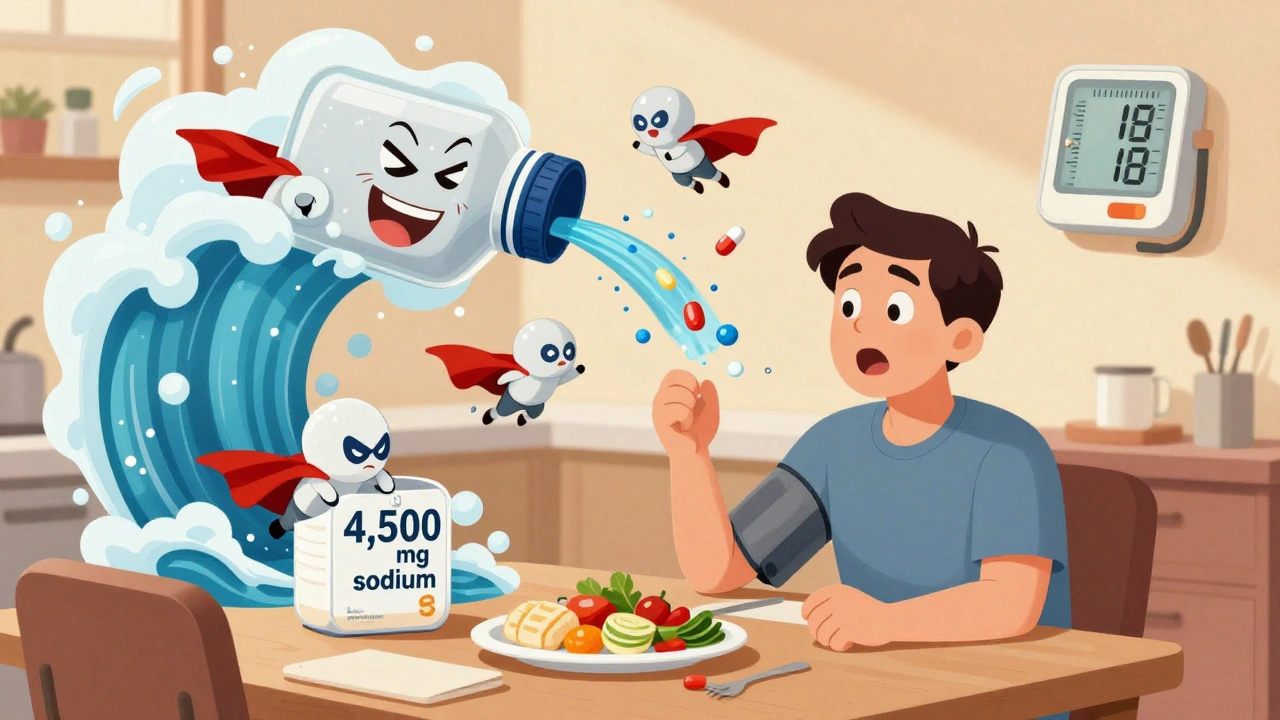
Cutting salt can boost the effectiveness of blood pressure meds by up to half, lowering pressure in as little as one week. Learn how sodium interferes with common drugs and what to eat instead.
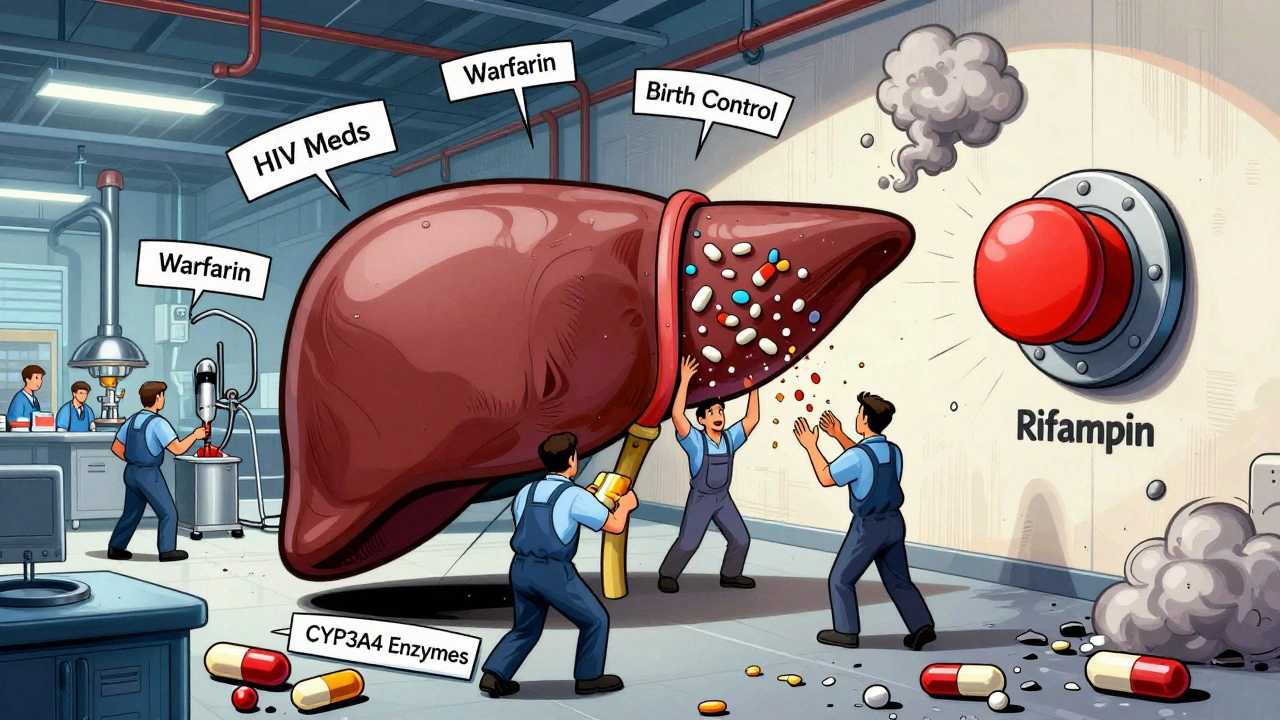
Rifampin is essential for treating tuberculosis but causes dangerous drug interactions by boosting liver enzymes. Learn how it affects birth control, blood thinners, HIV meds, and more-and what you can do to stay safe.
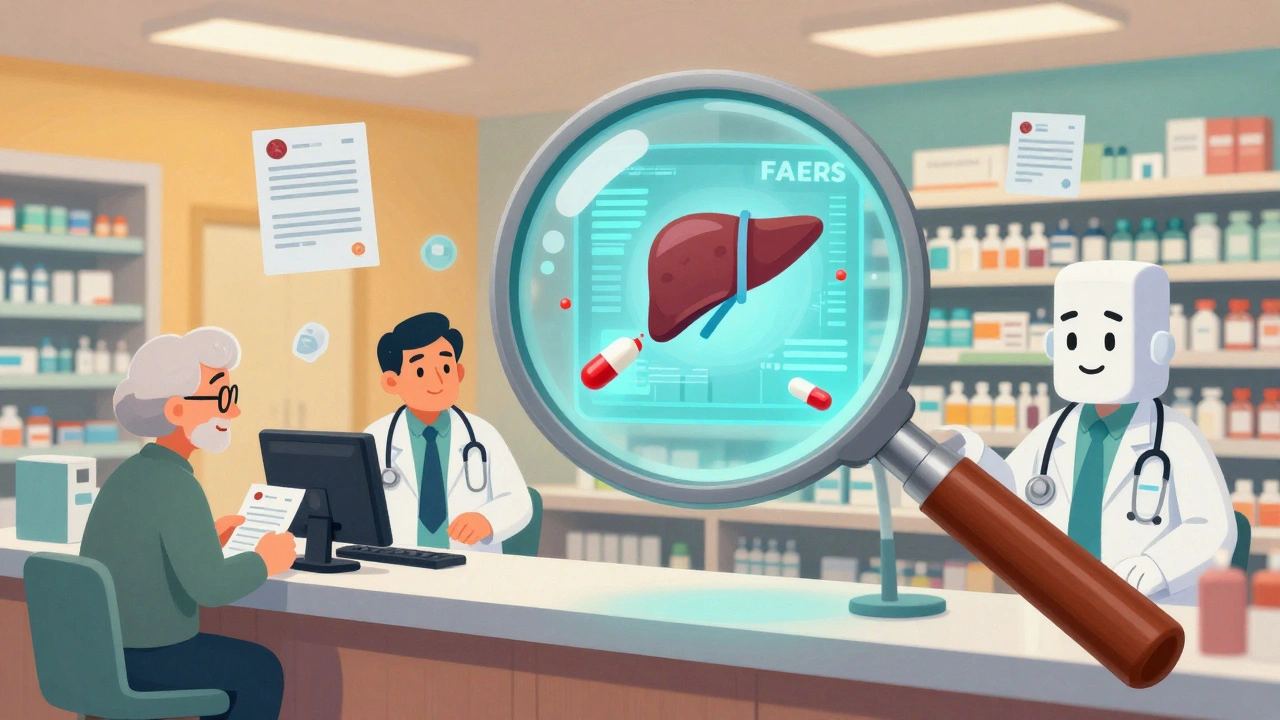
The FDA uses real-time data, inspections, and reporting systems to monitor generic drug safety after approval. Learn how FAERS, Sentinel, and manufacturing checks protect patients from hidden risks.

Etodolac is a prescription NSAID used to reduce pain and inflammation in rheumatoid arthritis. It offers a balance between effectiveness and safety compared to other NSAIDs, with typical doses of 300-400 mg daily. While not a cure, it helps many patients regain daily function with proper monitoring.